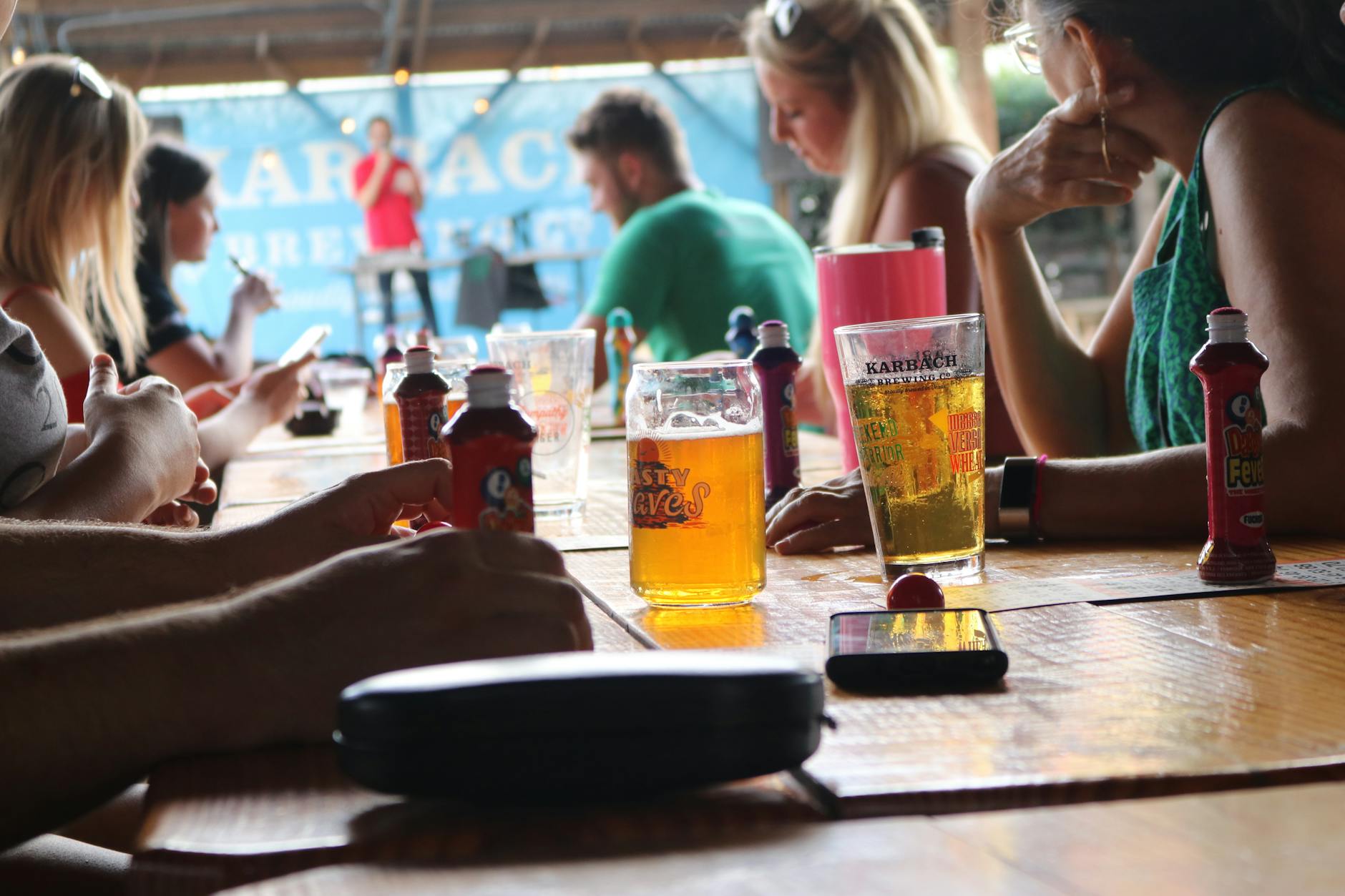
The support act is still soundchecking, the floor is maybe a third full, and already the longest queue in the building is at the merch table. Not the bar. Not the toilets. The folding table near the entrance with a hand-lettered price list taped to the front.
This is where the real pre-show happens.
What Gets Said In That Line
People waiting for merch talk to each other in a way they don’t elsewhere at gigs. There’s something about the shared admission — that you cared enough to arrive early, that you’re about to spend money on a T-shirt you could have ordered online — that lowers the usual stranger-at-a-gig defenses. Conversations start mid-sentence: did you see them last time they toured, do you think they’ll play the B-sides, is the vinyl limited or do they repress it. It functions like the smoking area used to, except everyone here is engaged rather than escaping.
The demographic read you get from that queue is more honest than what’s on the floor when the headliner plays. The floor fills with casual fans, people who got dragged along, people who bought tickets on a whim six months ago and almost forgot. The merch line is self-selecting. These are the people who know the catalogue.

What Gets Sold Tells You More
A band still flogging standard black tees with their logo in the same font they’ve used for fifteen years is sending a signal, whether they mean to or not. So is the one that’s collaborated with a visual artist on the tour poster and is selling limited risograph prints at £18 a sheet. You can usually tell from the merch table whether a band thinks of themselves as a brand or as a small operation that makes things and hopes people want them.
The handwritten price signs matter more than they should. So does whether the person staffing the table is a crew member going through the motions or someone in the band’s circle who actually wants to talk about it.
The Timing Problem
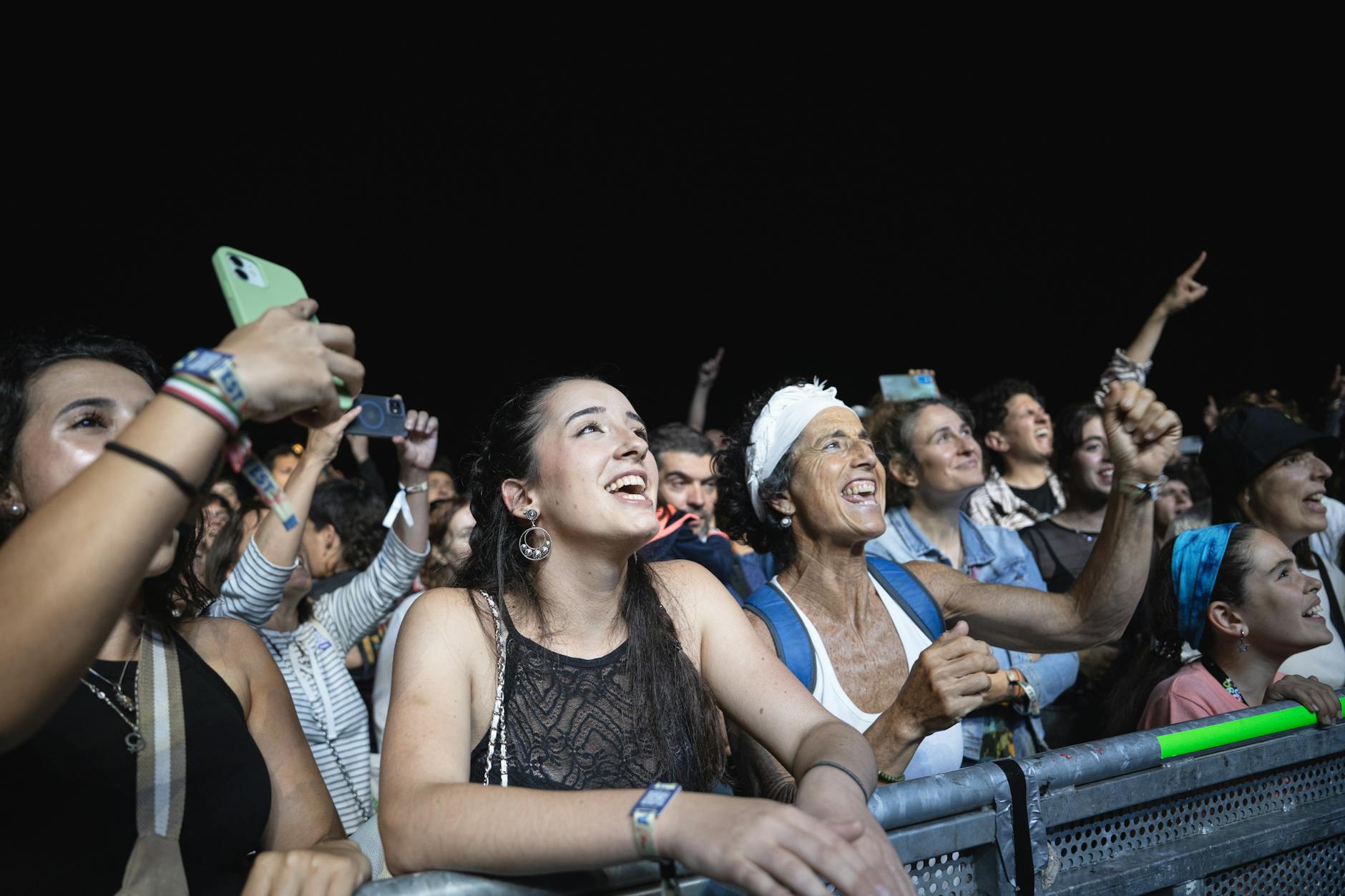
The frustrating design flaw is that the table is busiest before doors properly open and immediately after the set ends — the two windows when the people running it are under the most pressure and have the least time. Buying merch after the encore means joining a crush of people who are emotionally activated and slightly sweaty, trying to find the right size in a bin that’s been picked through for ninety minutes. The pre-show queue, for all its chaos, is the better version of this transaction.
Showing up early used to be about getting a good spot at the barrier. At most standing shows now, the barrier crowd formed hours before doors. Showing up at a reasonable early hour — say, thirty minutes before the support — puts you at the merch table instead, which is not the worst place to spend that time.