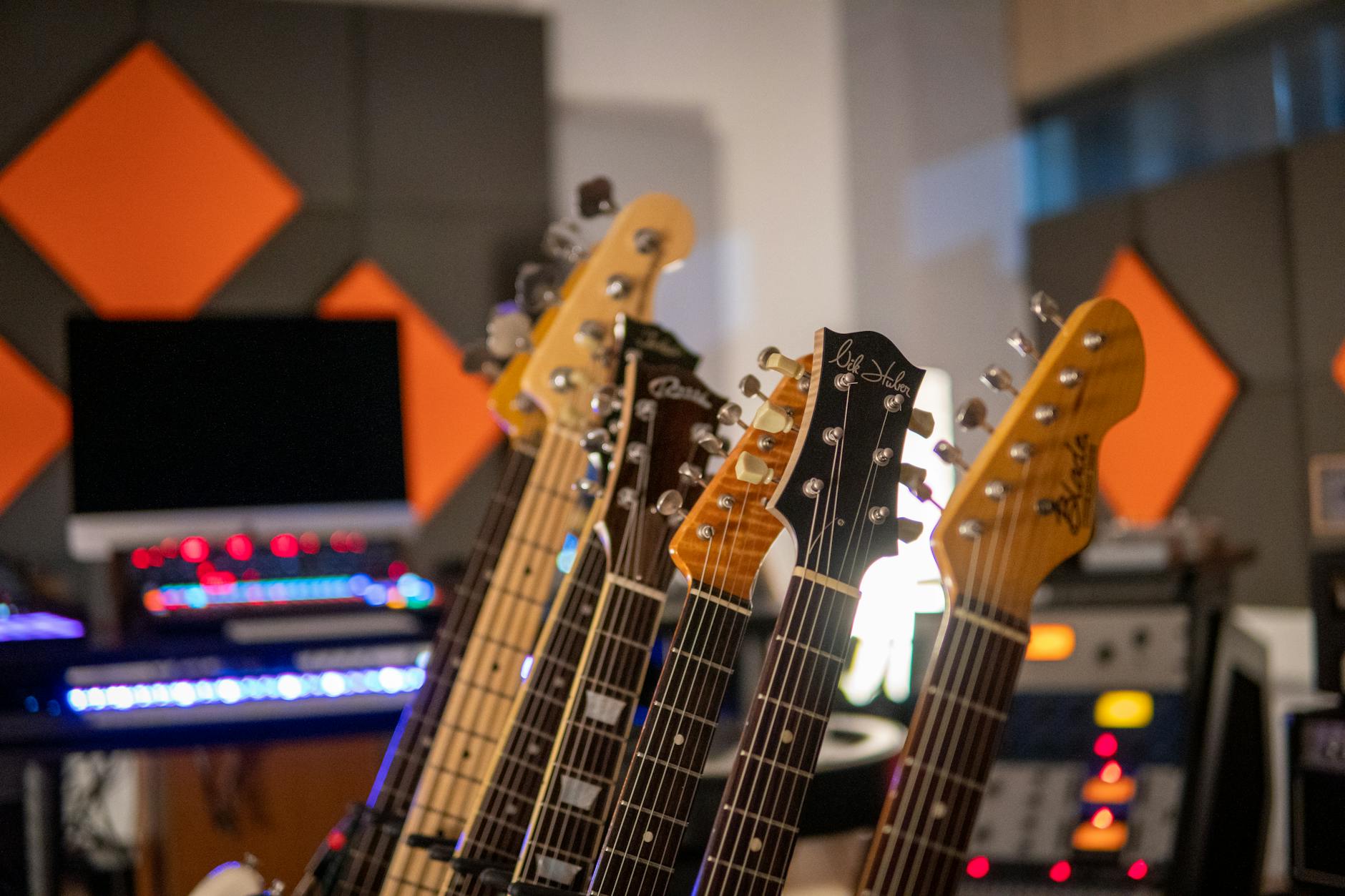
The lap steel guitar has spent most of its modern life doing one job: making country records sound lonesome. Pedal steel gets the prestige gig, the Nashville session work, the Robert Randolph comparisons. The non-pedal lap steel sits in the corner at vintage shops, priced cheap, assumed to be a beginner’s compromise or a collector’s curiosity. That assumption is wrong, and it’s costing players a genuinely unusual instrument.
What separates the lap steel from almost everything else in the guitar family is how completely it removes fretting from the equation. You’re working entirely with a slide bar across the strings, which means pitch is continuous rather than fixed. There are no frets acting as a safety net. Every note you play is located by ear and muscle memory alone, which makes the instrument more demanding than it looks — and it never looks demanding, lying flat across someone’s knees like a cutting board with strings.
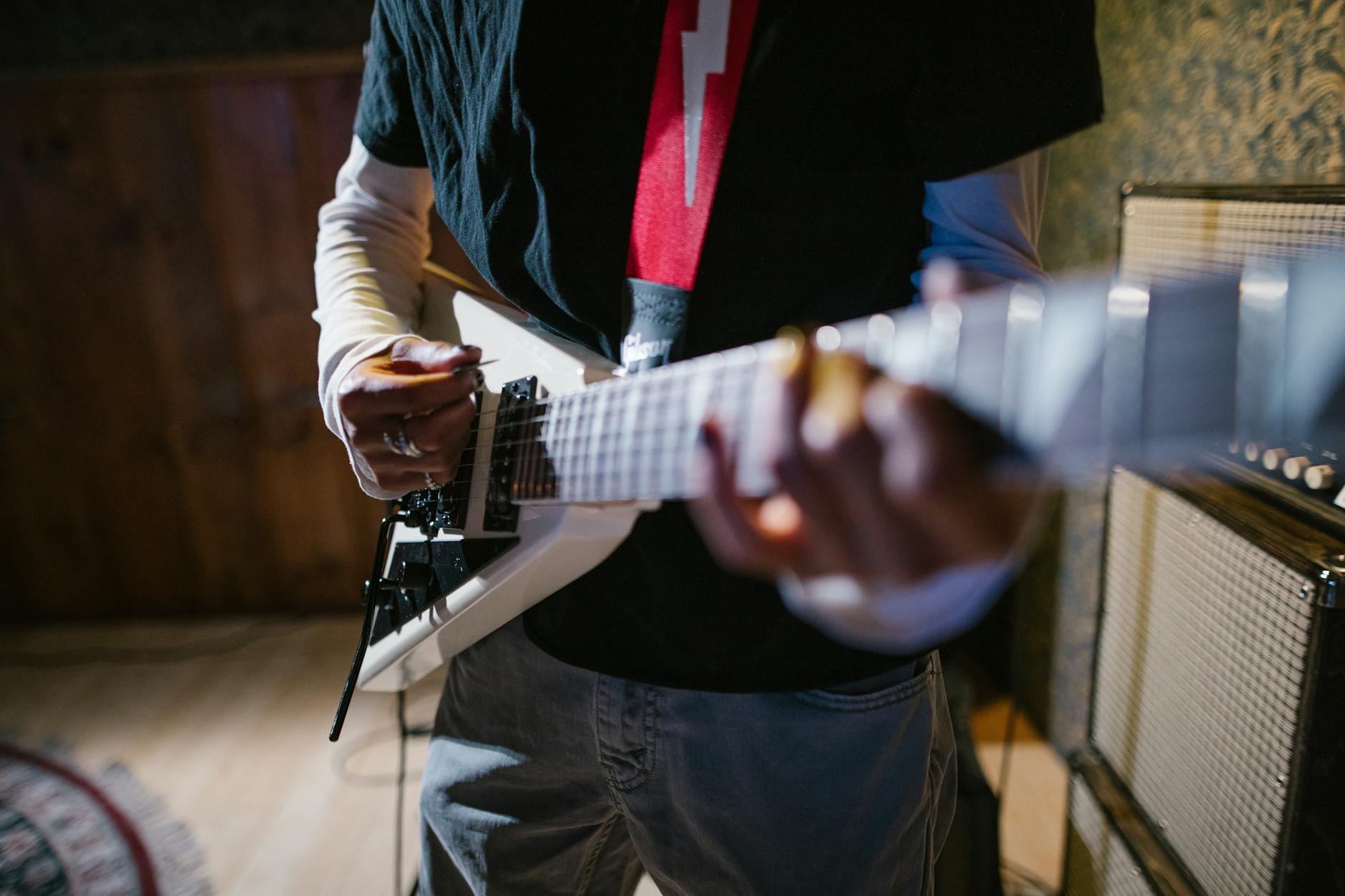
That continuous pitch control is exactly why the instrument fits so poorly into the box it’s been assigned. Hawaiian music understood this first: the lap steel originated in Hawaii in the late 19th century, and early Hawaiian players used its sliding, gliding quality to imitate the human voice in ways that six-string guitar simply cannot. When American country music absorbed it in the 1930s and 40s, the genre was genuinely suited to what the instrument does — melancholy, unresolved notes hanging in the air. But that became the whole story, and it didn’t have to.
The lap steel appears in blues, gospel, and experimental recordings, but rarely gets credit for the texture it provides. David Lindley used one extensively in styles that had nothing to do with Nashville. Experimental artists have run lap steel through effects chains that turn it into something closer to a synthesizer than a guitar. None of this broke through into a wider rethinking of what the instrument is for.
The practical barrier is low. A decent vintage lap steel can be found for less than most mid-range electric guitars. The learning curve is steep but the entry cost isn’t. What’s missing is players willing to pick one up without the assumption that they’re signing up to play Hank Williams covers — which, fine, but it’s not the only option the instrument offers.