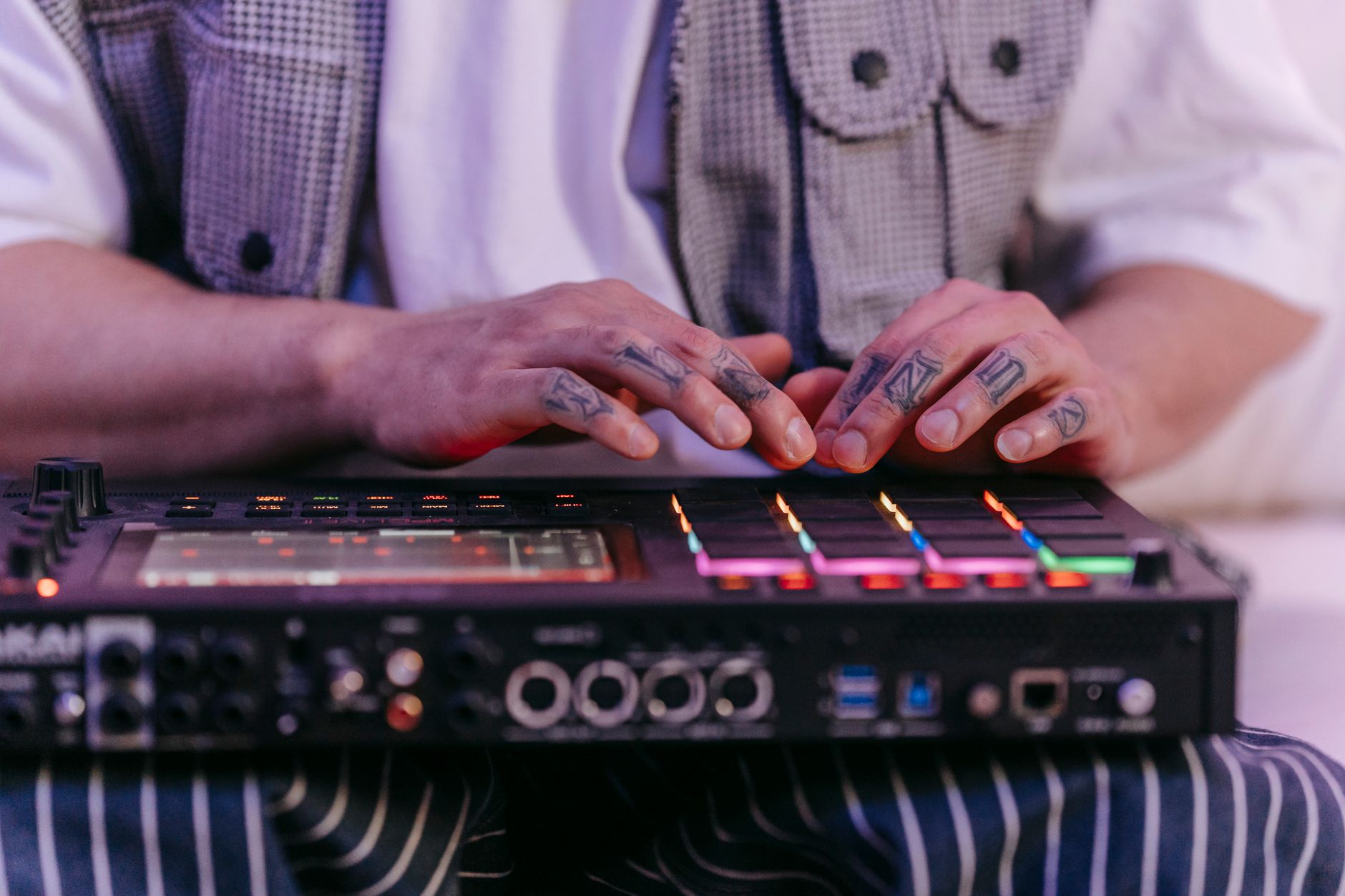
The argument that drum machines put drummers out of work has been running since the early 1980s, and it has always been slightly wrong. What the Roland TR-808 and TR-909 actually did was raise the stakes for human players by making perfect, unwavering time available to anyone with a power outlet. Drummers who relied on the band to cover for their inconsistencies suddenly had nowhere to hide.
Before sequenced drums became mainstream, a lot of studio drumming was propped up by the mix — buried under guitars, softened with reverb, rescued in editing. The drum machine made time itself visible. Producers could now point to a grid and ask: why isn’t the kick landing here? That accountability changed what labels and studios expected from session players. The drummers who thrived after the 808 arrived weren’t the ones who ignored it; they were the ones who listened to it obsessively and absorbed its precision without surrendering their feel.
Jeff Porcaro, who played on hundreds of sessions in the late seventies and eighties, was known for a kind of metronomic reliability that felt human rather than mechanical. That combination — locked-in time with breath still in it — became the benchmark that drum machines inadvertently set for live players. The machine didn’t replace him. It described what made him valuable.
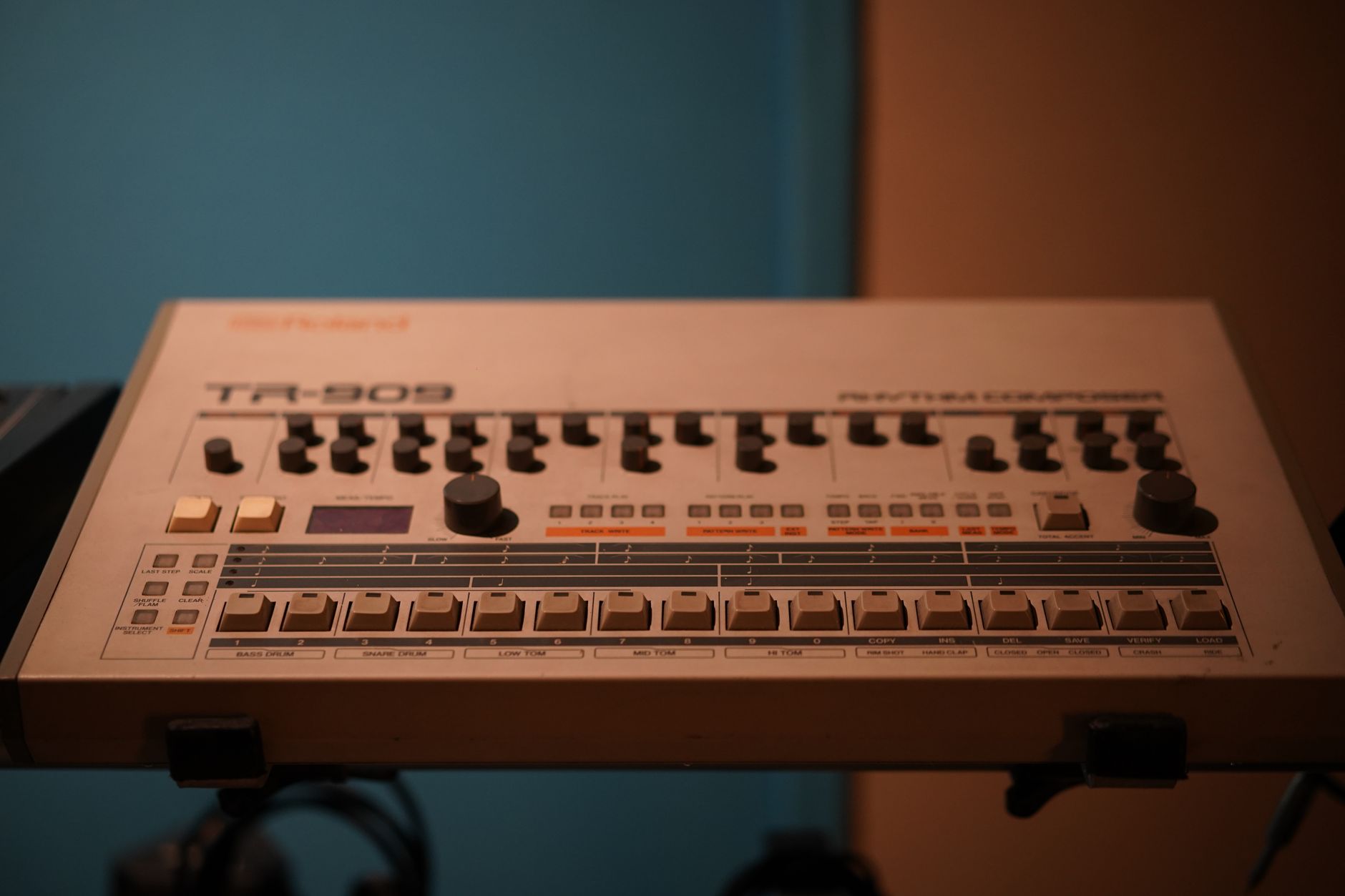
The genre split it created is still playing out
In hip-hop and electronic music, the drum machine became the instrument, not a substitute for one. Producers like J Dilla deliberately programmed slightly off-grid hits to reintroduce the human imperfection that the technology had removed — which is its own kind of tribute to what live drumming actually does. The machine had to be broken to sound alive again.
In rock and indie, the resistance to programmed drums became a kind of identity marker, sometimes a principled one, often just conservatism dressed as authenticity. Plenty of bands who insist on a live kit in the studio would benefit from at least one session with a sequencer, not to replace the drummer but to show them where they’re drifting.
The drum machine is now over forty years old as a mainstream studio tool. The drummers who treated it as a threat are largely the ones who didn’t last. The ones who treated it as a mirror figured out what they actually sounded like — and then got better.