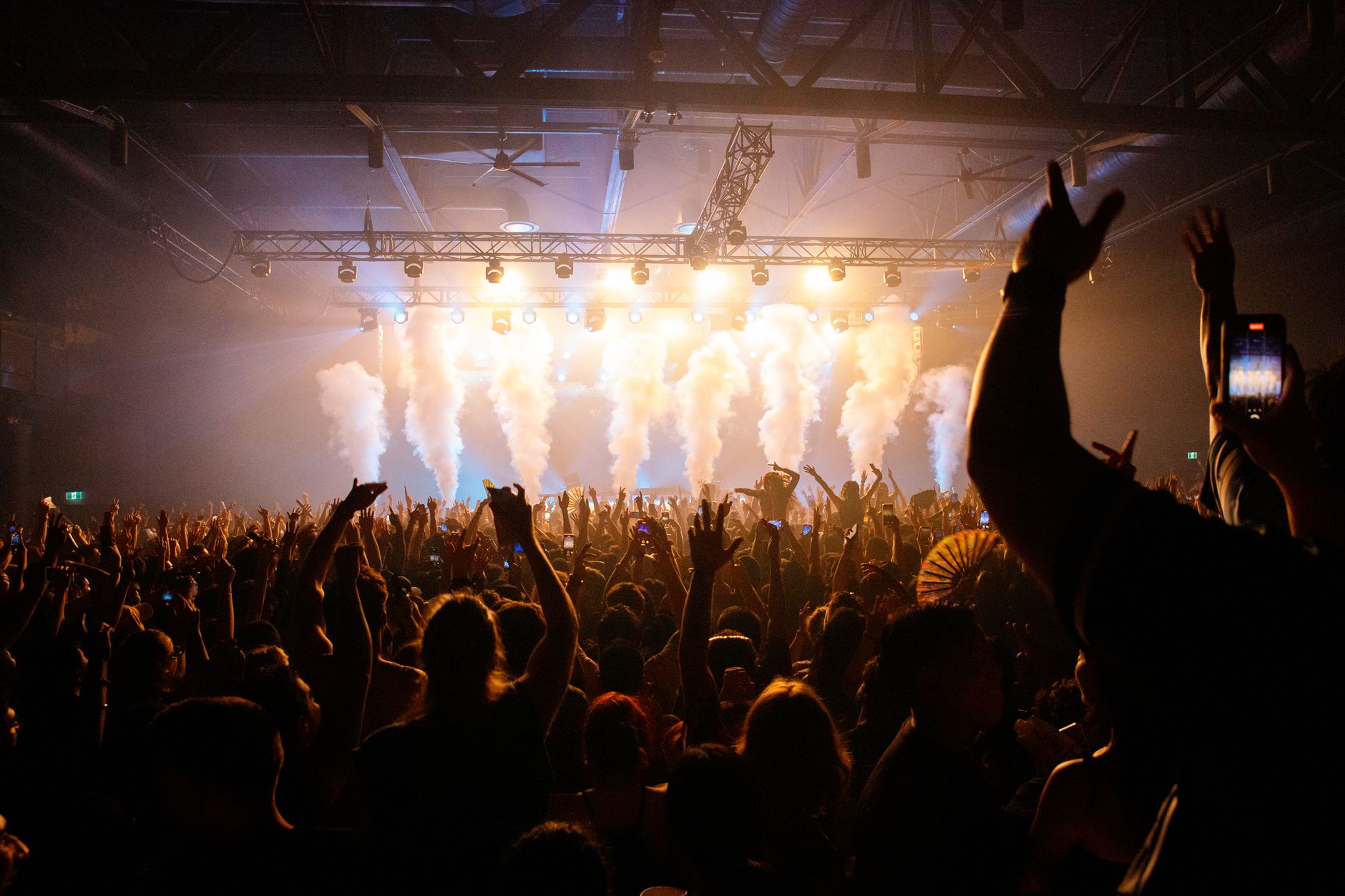
Somewhere around the third song, or the moment a truly beloved deep cut begins, it happens: a section of the crowd turns around. Not to leave, not to find a friend — to look back at the rest of the room. To see the scale of it. To confirm that what they’re feeling is real and shared and enormous.
It’s one of the more quietly significant things you can witness at a large show, and it almost never gets talked about.
Why It Happens When It Does
The backwards turn is triggered by size and sound meeting emotion at the right angle. It happens most reliably at arena or stadium shows — the kind where you genuinely cannot comprehend the audience from inside it without physically pivoting. A floor-level view at a sold-out arena offers almost nothing in terms of scale. You see the backs of heads, a sea of phones, the lighting rig. But turn 180 degrees and suddenly you’re facing 15,000 people, rising in tiers, all locked into the same four bars of music. The effect is staggering in a way that staring at the stage simply isn’t.
It also tends to happen during songs with long instrumental builds — moments where the audience isn’t obligated to watch the performer do anything specific. The music holds the room without requiring visual attention, and so people look elsewhere. They look at each other.
What It Actually Is
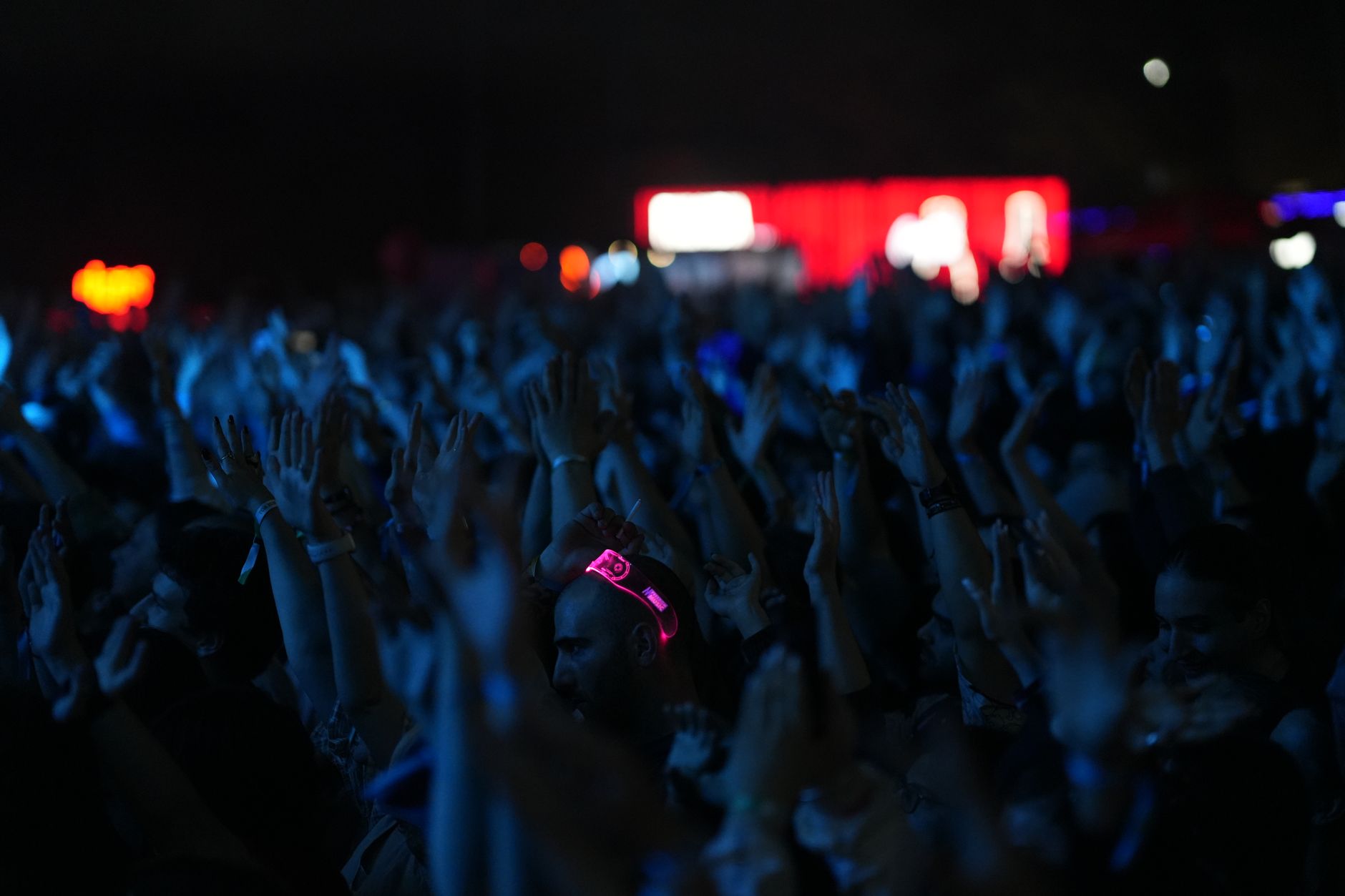
It’s a reality check. A brief, instinctive need to verify the communal nature of the experience. Live music is largely consumed as though it’s personal — your relationship with the song, your history with the artist — but the backwards turn is the moment the collective dimension becomes impossible to ignore.
Some people hold up their phones when they do it, capturing the crowd rather than the stage. That footage is almost always more affecting than stage footage. The faces are unguarded. People are caught in the act of feeling something.
The Performer Almost Never Sees It
From the stage, house lights are blinding enough that the detail is lost. Which means this ritual exists almost entirely for the audience itself — a few seconds of the room becoming aware of its own size, its own feeling, and then turning back around before the next chorus hits.
Whether that shared recognition carries past the venue doors is harder to say.