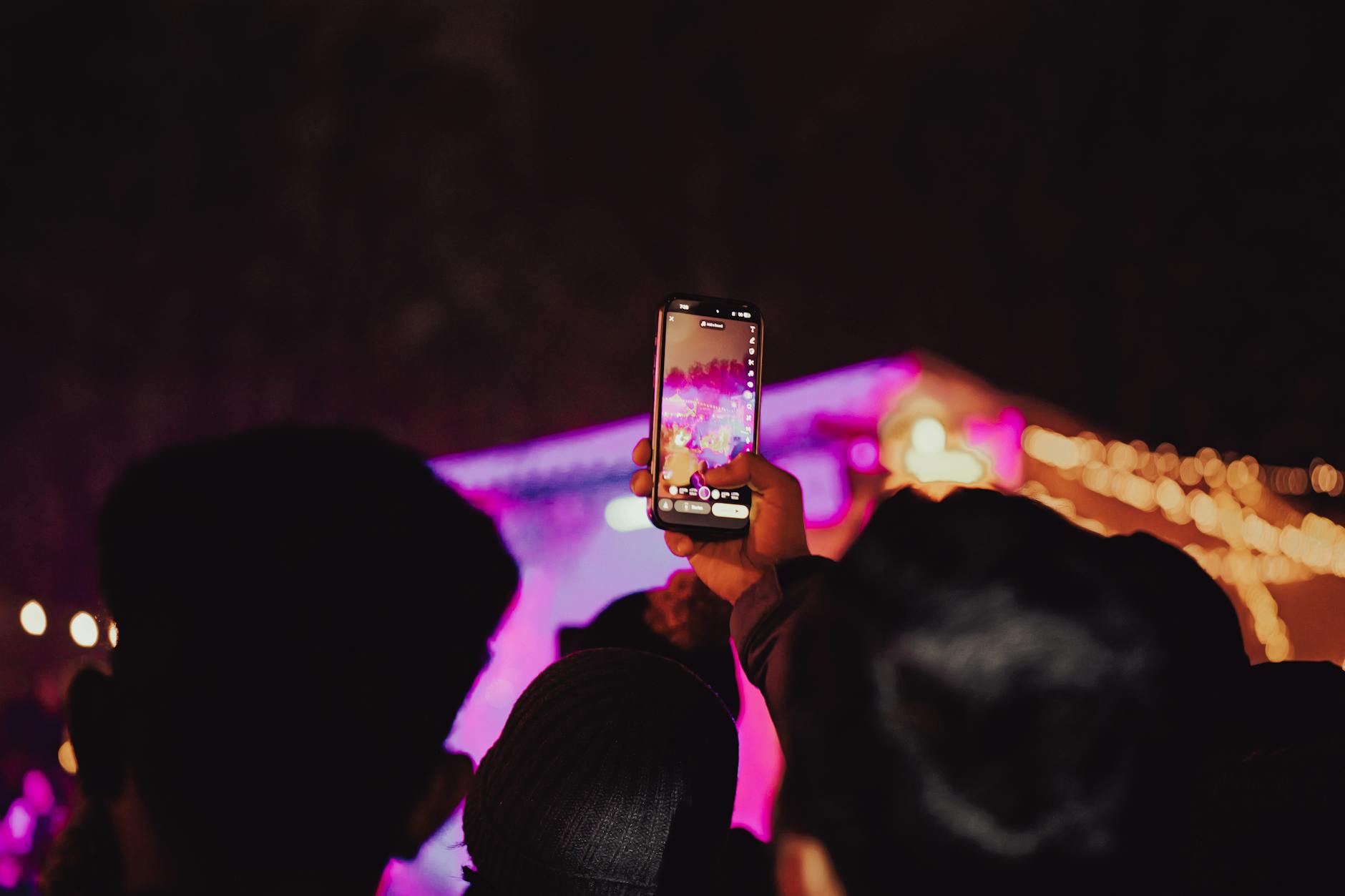
There’s a specific kind of collective exhale that used to happen at shows — usually during a ballad, or a song everyone in the room had memorised at sixteen — when someone in the crowd held up a lighter. Then another. Then thirty. The gesture spread not because anyone organised it but because it was contagious in a way that phone flashlights simply aren’t.
The lighter moment required commitment. You had to hold the flame, feel it get warm, eventually switch hands or let it go. It had duration and consequence. It was physical in a way that pressing a button is not.
What Phone Flashlights Actually Do
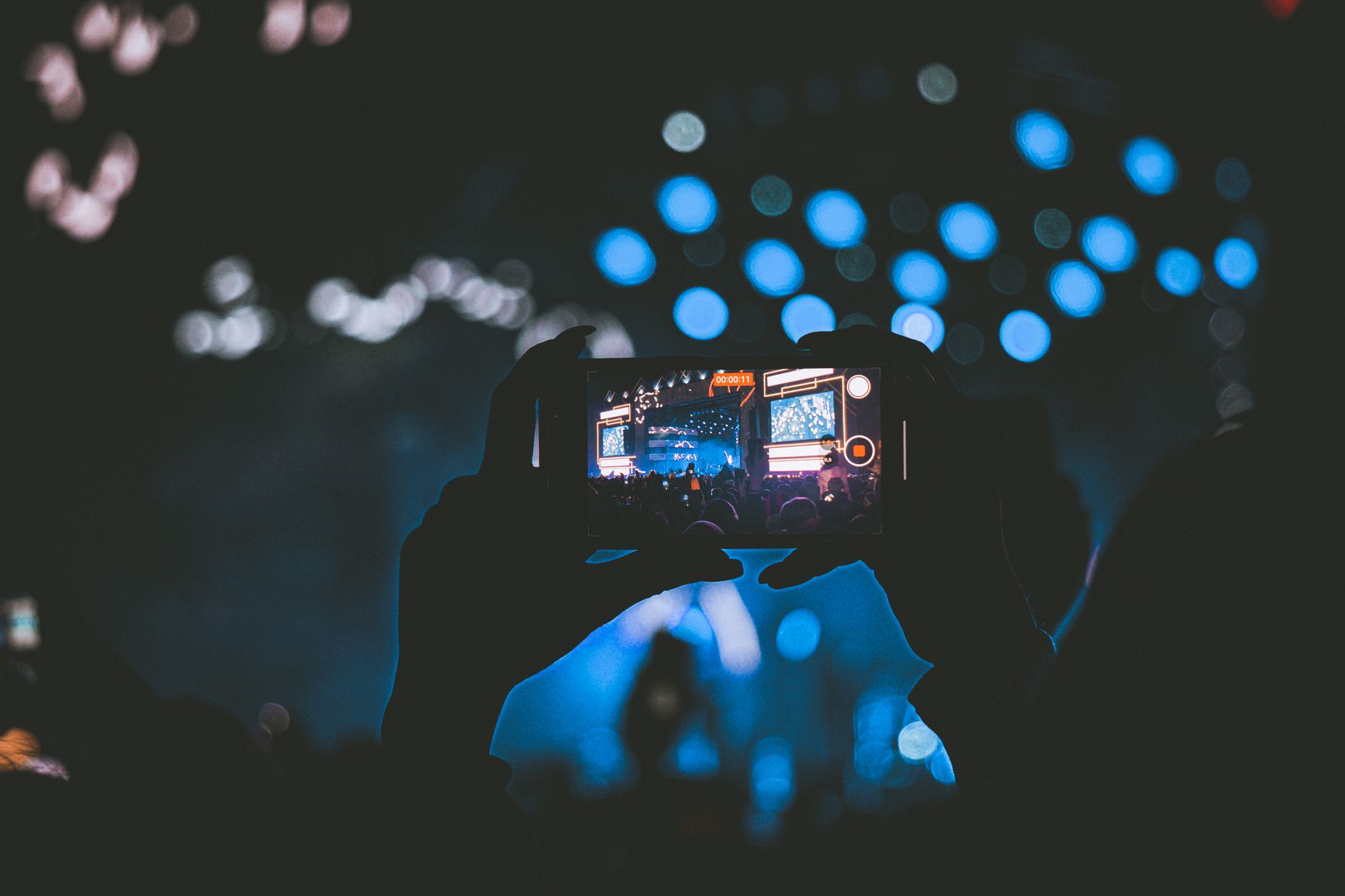
The phone flashlight version looks better in photographs. Thousands of white dots from the upper tier of an arena photograph beautifully, uniform and bright. But photographing well isn’t the same as feeling like anything. At a show, the phone light moment lands as slightly rehearsed, like the crowd is performing the idea of a crowd moment rather than having one. Part of this is that everyone knows the drill now — the artist asks, the phones go up, a social media clip gets made. There’s a stage direction quality to it.
Lighters happened when nobody asked. That’s the part that hasn’t been replicated.
The Temperature of Participation
Concert rituals work when they cost something. The circle pit costs you energy and probably a bruise. Singing every word back costs you breath and self-consciousness. Even standing on a chair at a small venue costs you the possibility of looking like an idiot. The lighter cost you a mild burn risk and the faint smell of butane on your thumb.
The phone costs nothing, and participation that costs nothing tends to register as nothing — to the person doing it and to the people around them.
The One That Still Works
Handclap patterns. When a crowd finds a clap rhythm without being told — not the prompted, over-produced stadium clap, but the one that emerges from two or three people and spreads — it still has that old contagion quality. It’s imprecise, slightly ragged, and it means something because it wasn’t scheduled.
Rituals survive when they can’t be stage-managed. The ones that get designed into setlists tend to feel exactly like that.