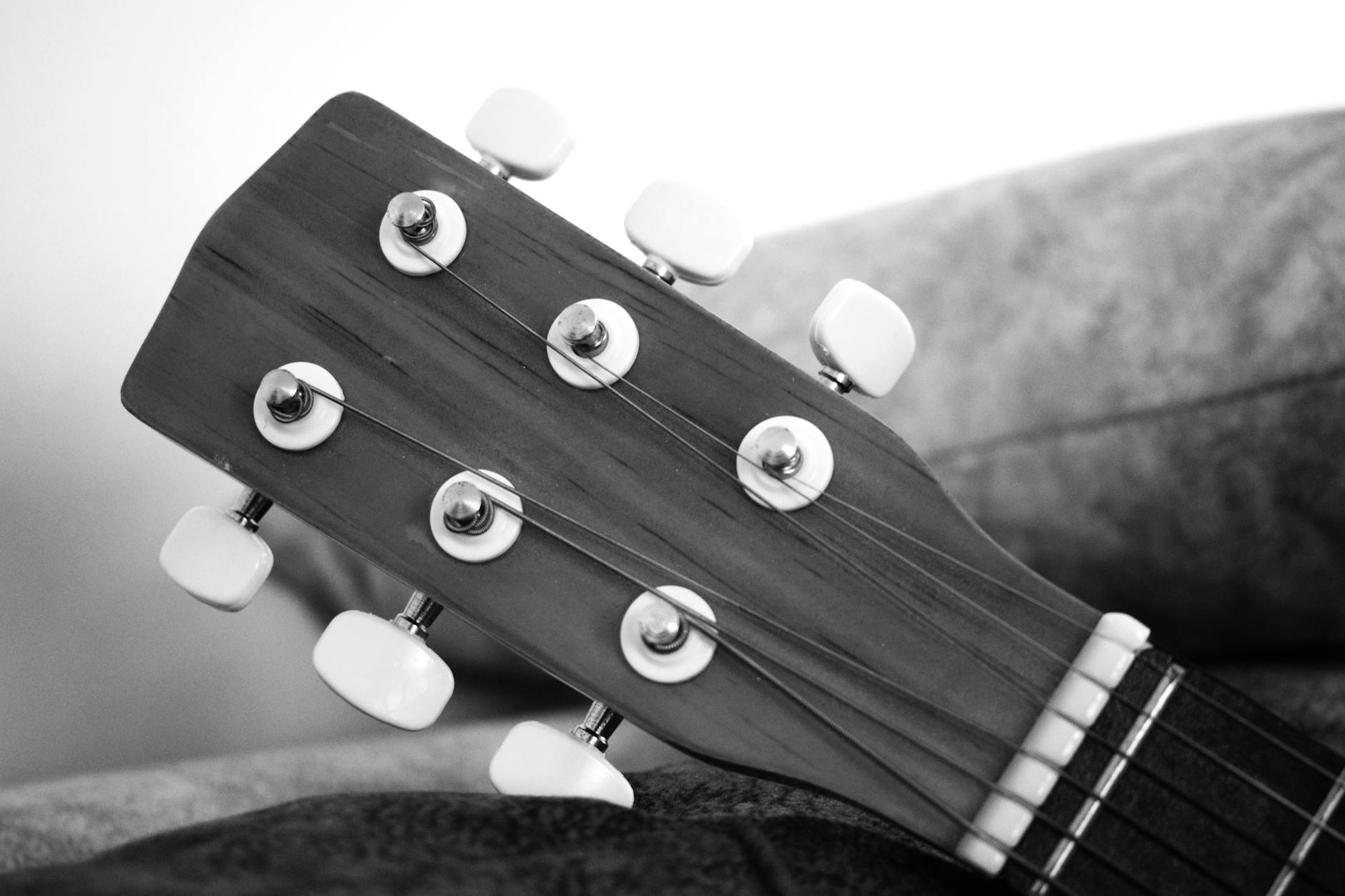
Guitarists learn to be embarrassed by the capo early. Someone, usually a more experienced player, implies that relying on one means you haven’t learned your barre chords properly. So it gets left in the case, and the player spends the next several years grinding through F major with a half-collapsed index finger, feeling virtuous about it.
This is the wrong lesson.
The capo doesn’t avoid difficulty — it introduces a different kind. When you drop one on the third fret and play open chord shapes, you’re not playing in G anymore. You’re playing in Bb, except the physical vocabulary of G is still under your fingers. That tension between what your hand knows and what the instrument is actually producing forces a kind of re-hearing. Melodies land in unexpected places. Chord voicings that felt ordinary suddenly sit in a register that makes them feel like something else entirely.
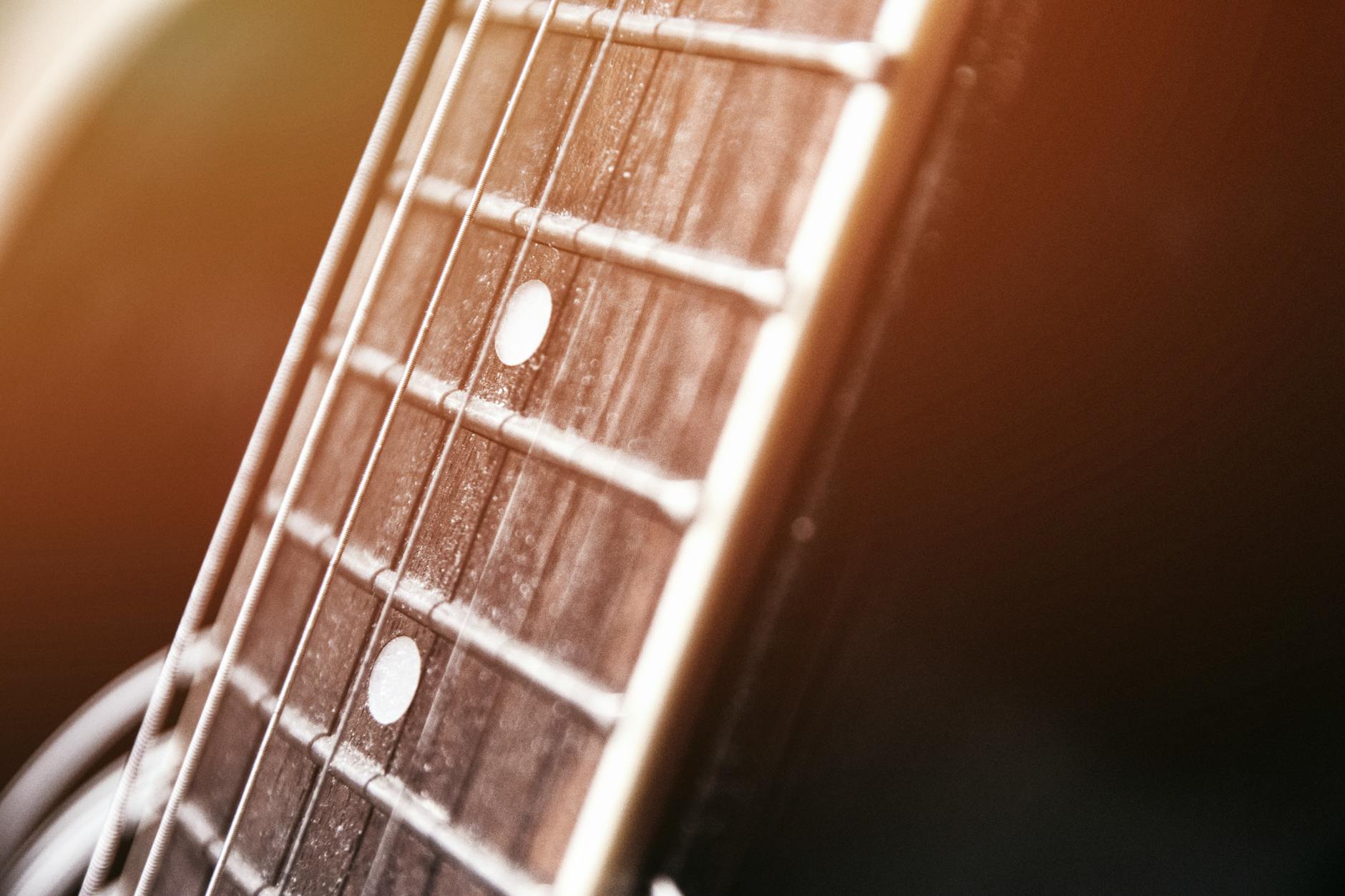
Richard Thompson used a capo extensively throughout his career and remains one of the most technically demanding guitarists in British folk-rock. Nanci Griffith’s recordings from the 1980s get much of their emotional clarity from capoed open tunings that let her voice sit comfortably above the guitar rather than fighting it. The capo isn’t hiding anything in either case — it’s doing specific work.
The real argument against the capo is usually an argument about transposing: that a skilled player should be able to move chord shapes up the neck without mechanical help. Fair enough, and worth learning. But transposing and capoing produce different sounds. A barre chord at the seventh fret does not sound like an open D shape capoed at the seventh fret. The open strings ring differently. The sustain behaves differently. These are not interchangeable.
What the capo actually exposes, when used deliberately, is how much of guitar playing is about the relationship between open and fretted strings — the way certain notes ring free while others are stopped. Move that relationship up the neck and the instrument’s character shifts. Some songs only exist because a player found the right capo position and heard something they couldn’t have found any other way.
The barre chord crowd can keep their F major. The capo is not a shortcut. It’s a different road.