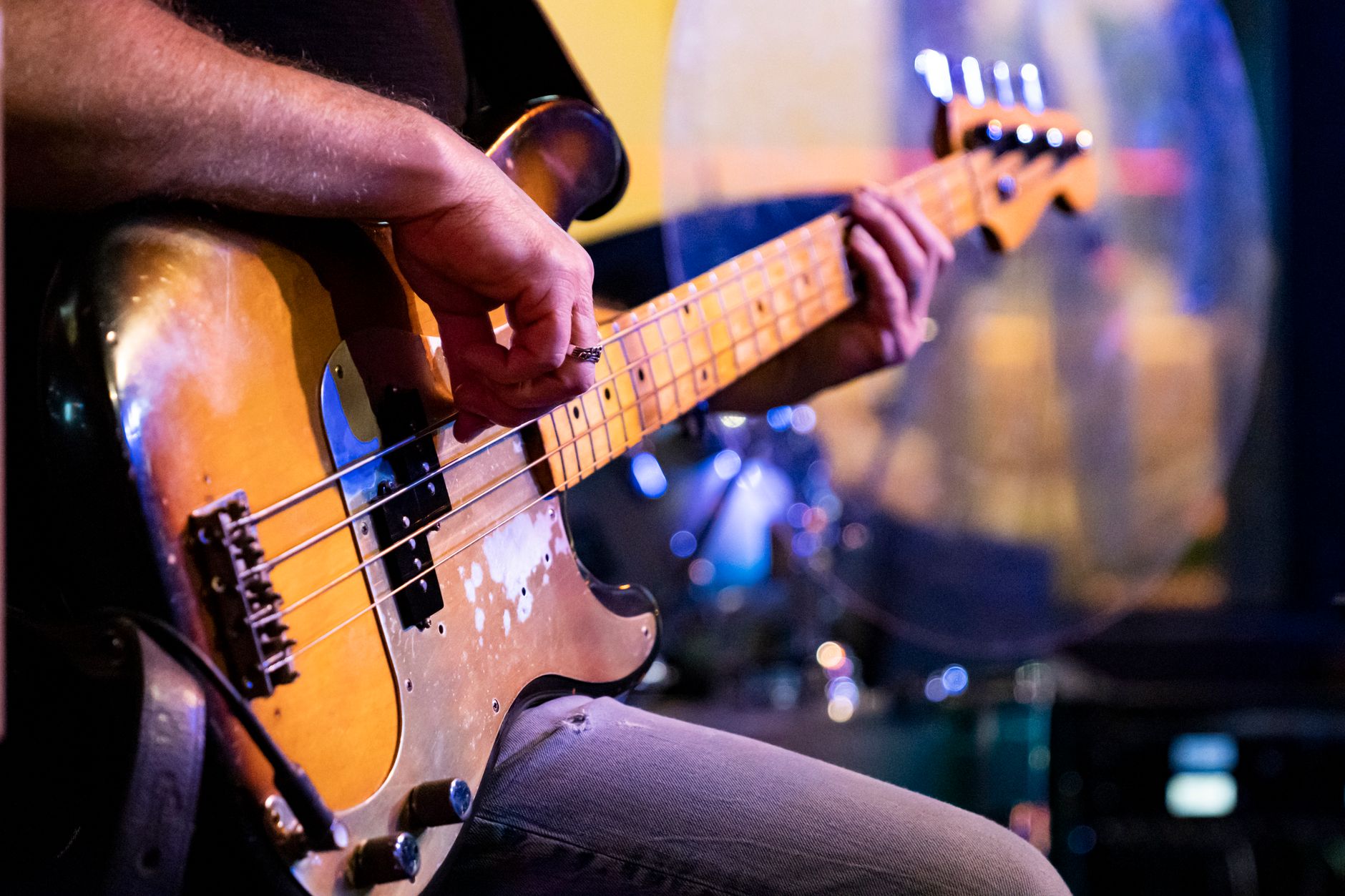
Most people cannot tell you what the bass line is doing in their favourite song. They can hum the vocal melody, air-drum the snare pattern, maybe mime the guitar riff. But the bass? It’s just there, doing something below the threshold of conscious attention. This is widely treated as a feature of the instrument. It’s actually a problem.
The bass guitar’s role in popular music got flattened somewhere in the 1980s, when the emphasis shifted from melodic bass playing — the kind James Jamerson built Motown’s entire rhythmic identity around — toward root-note locking with the kick drum. The logic was sonic: denser production needed the low end to stay out of the way. The consequence was a generation of listeners trained to hear bass as furniture.
What this means in practice is that when a bass player is genuinely exceptional, almost nobody notices. Carol Kaye’s session work across hundreds of recordings in the 1960s held together arrangements that would have collapsed under anyone else, and she remains far less recognised than the guitarists she was supporting. Jaco Pastorius changed what the fretless electric bass could do as a lead voice, and even among people who have heard Heavy Weather by Weather Report, many couldn’t name the bassist.
The flip side is brutal: when the bass is lazy, the whole song quietly suffers and listeners can’t explain why. They’ll say a track feels thin, or flat, or that it doesn’t hit right — and they’ll blame the mix, or the production, or some vague sense that the song isn’t quite finished. Often, they’re hearing a bassist who played the obvious thing.
Why Melodic Bass Playing Got Squeezed Out
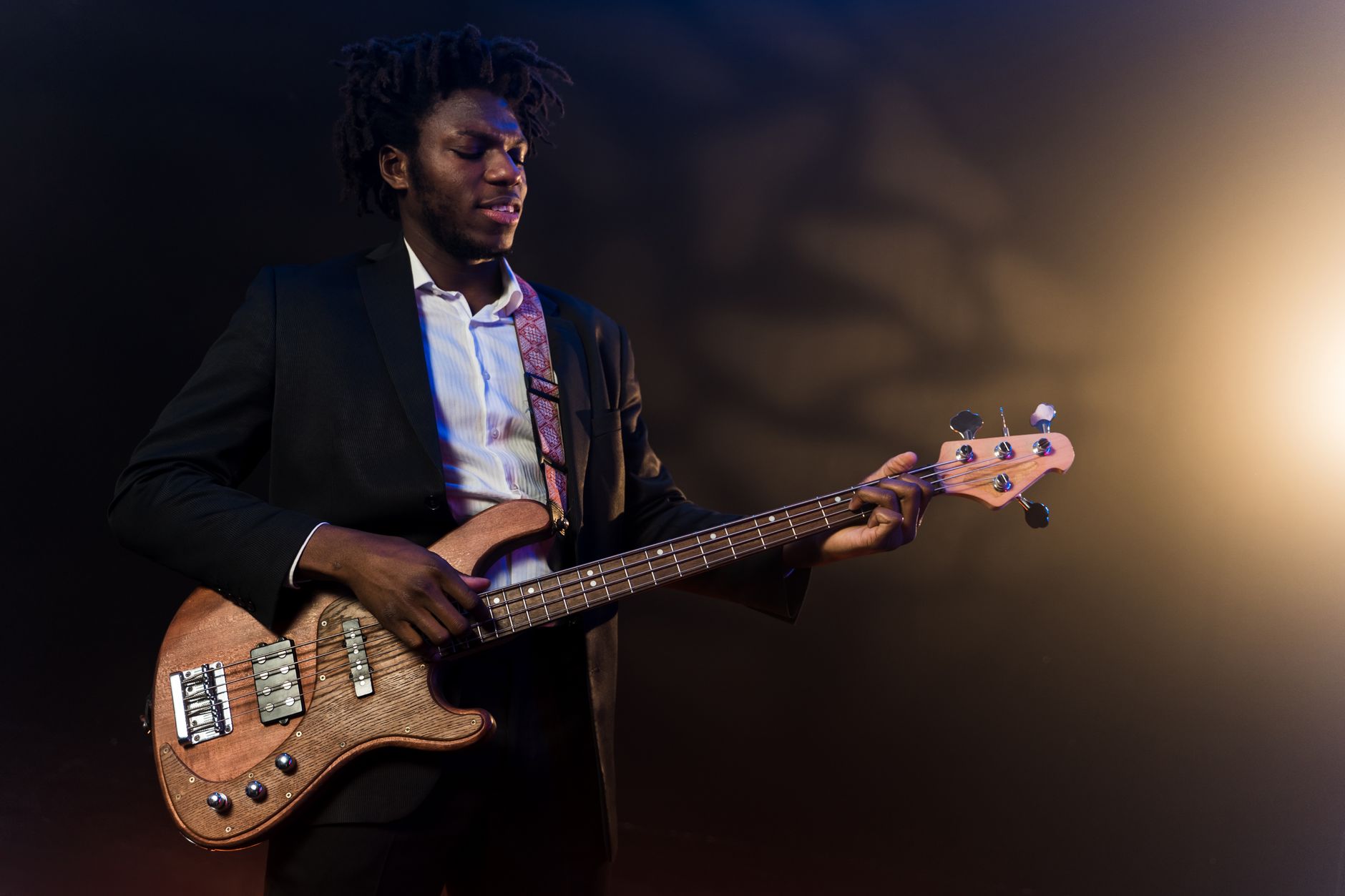
Some of it is technological. When digital audio workstations made it easy to program bass parts, the default was functional — hit the root on beat one, follow the chord. Programming encourages conservatism in the low end because anything too active risks clashing with the kick pattern, and no one wants to debug that at 2am in a home studio.
But some of it is cultural. Rock canonised the guitarist as the creative force. Pop elevated the producer. The bassist became the responsible adult in the room, keeping time while everyone else got interesting.
Listen Down
The easiest way to actually hear bass is to put on headphones, pick a song you know well, and deliberately track only the low end for one full listen. Not the drums — just the bass. Do it with a Motown track first, something like Marvin Gaye’s What’s Going On, and the melodic intelligence underneath is almost shocking. Then try it with something more recent and notice how much space there is where a decision could have been made.
The bass is not background. It’s the argument the song is making, stated quietly enough that most people never realise they’ve accepted it.