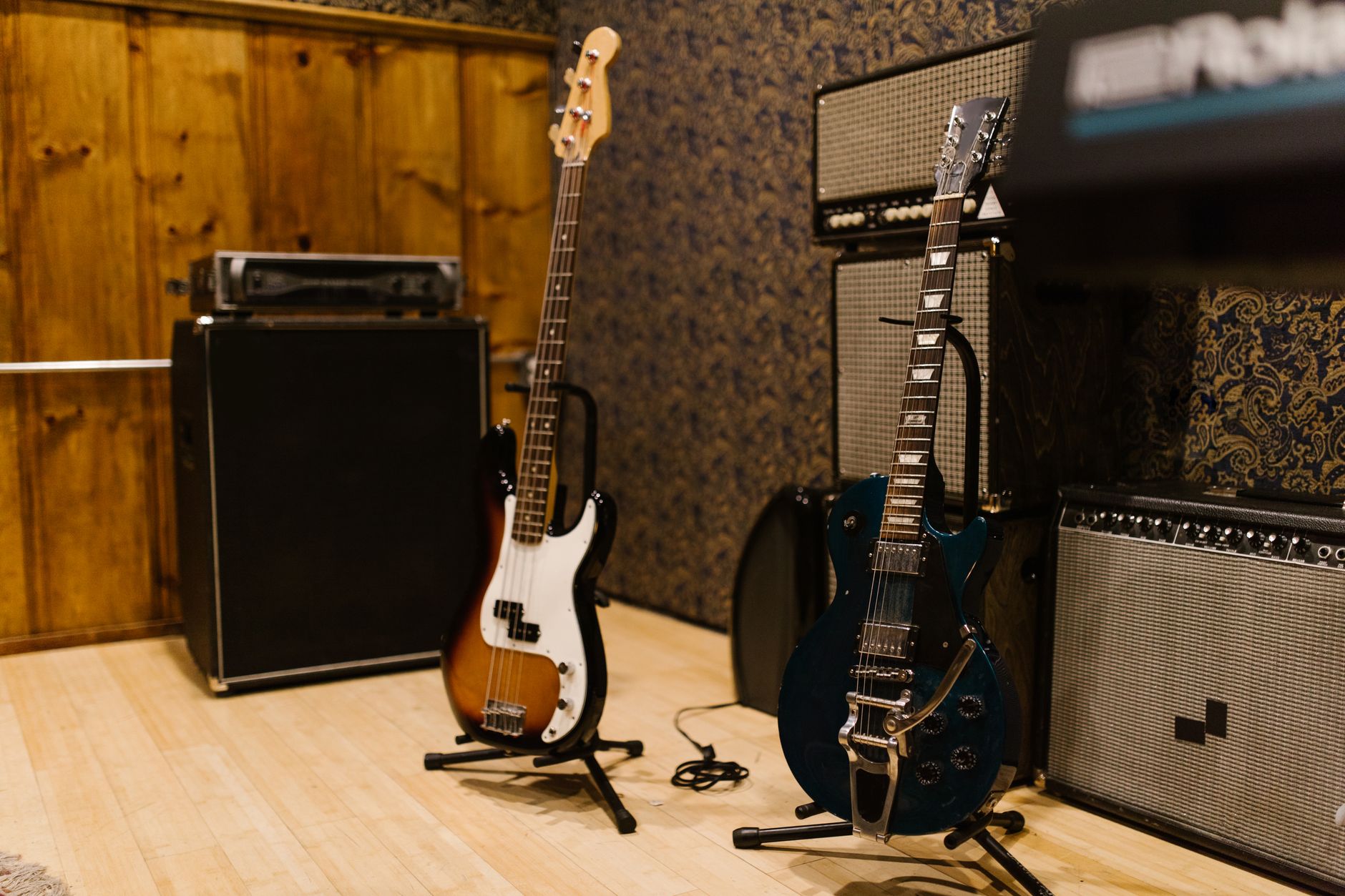
There’s a particular kind of mastery that gets rewarded with anonymity. The bass player in a well-functioning band is the person the audience doesn’t notice, which is exactly the point, and also the reason so many bass players quietly resent it.
This isn’t a complaint about bass getting disrespected. It’s more specific than that. The issue is that the qualities that make bass playing good — locking into the kick drum, leaving space, resisting the urge to show off — are the same qualities that make it invisible to most ears. A bass line that’s doing its job doesn’t announce itself. It just makes you feel more certain about where the beat is.
James Jamerson, who played on an enormous number of Motown recordings throughout the 1960s, is one of the most studied bass players in history — but during his working years, he wasn’t even credited on most of the records he appeared on. The music was famous. He wasn’t. That gap between contribution and recognition is probably the defining condition of electric bass.
The Moment You Actually Hear It
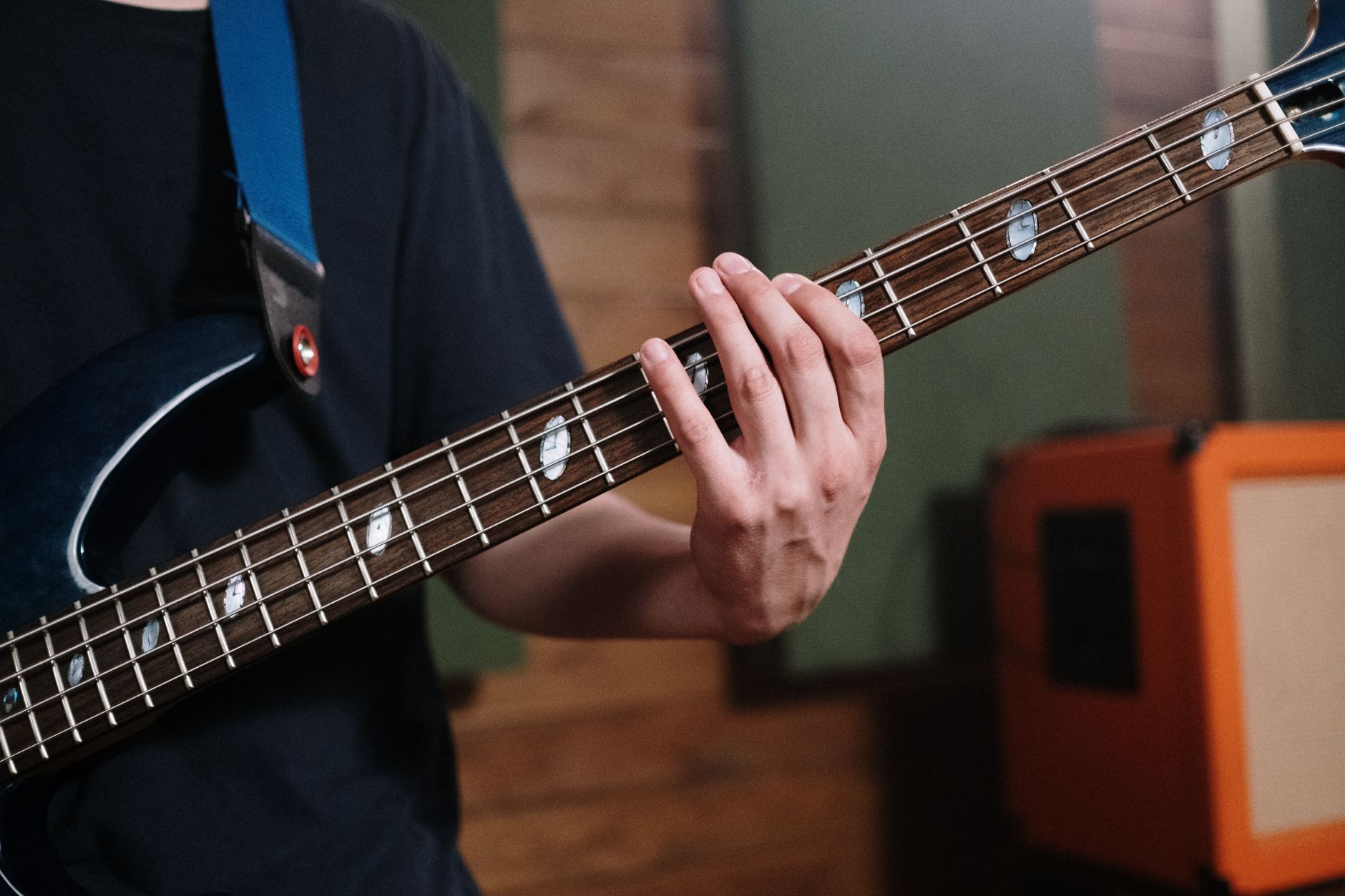
Most people discover the bass line after something goes wrong with it. Live sound that buries the low end, a remix that strips it out, a cover version where the replacement player doesn’t understand the original — suddenly the absence is audible. The song feels uncertain. It floats where it should sit. That’s usually when listeners realize something was holding everything together and they had no idea what it was.
This is different from guitar, which listeners tend to track consciously. Even casual fans notice a guitar riff, evaluate a solo, form opinions. Bass doesn’t get that treatment. It goes straight past conscious listening into something more physical — the reason a room sounds full, the reason you lean forward without deciding to.
Why This Probably Won’t Change
Some bass players respond to the invisibility problem by playing more — more notes, more movement, more obvious technique. That’s one approach, and in certain styles it works. But it also gives up the thing that makes the instrument interesting in the first place.
The bass is effective in proportion to how little it demands attention. That’s not a limitation — it’s the whole deal. And the players who understand that tend to be the ones who’ve been holding songs together for decades, uncredited, under everything you thought you were listening to.