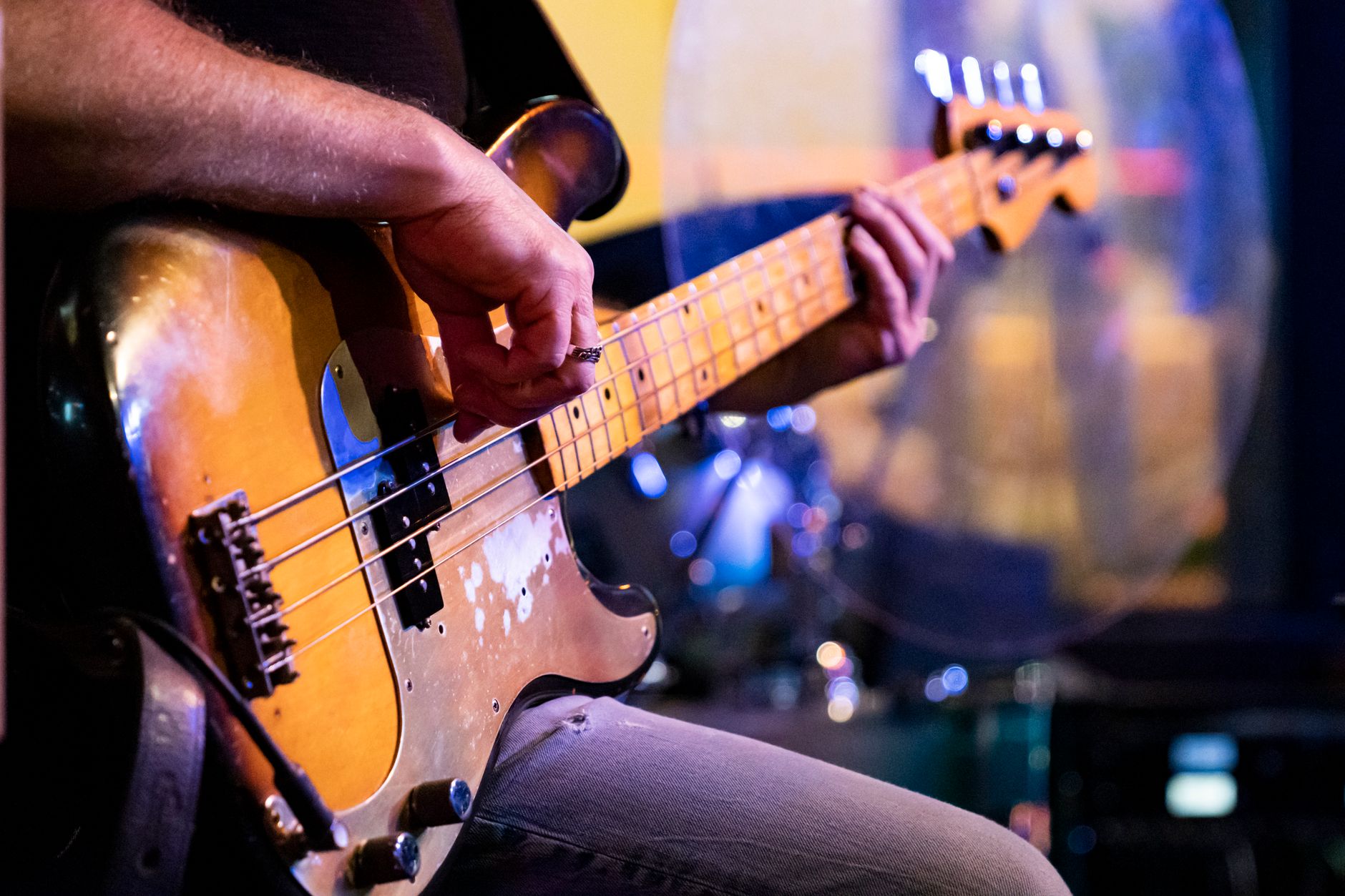
Bass guitar gets discussed in terms of what it doesn’t do. It doesn’t carry the melody. It doesn’t solo much. It doesn’t draw the eye the way a guitarist does when they step to the mic. Critics and listeners have spent decades defining the instrument by absence, and it’s cost them a real understanding of why some songs feel locked-in and others feel like they’re drifting.
The bass isn’t a supporting role. It’s a structural one — and those are not the same thing.
When James Jamerson played on Marvin Gaye’s What’s Going On, he wasn’t underlining what was already there. He was moving in counterpoint, filling space with melodic figures that had no strict obligation to sit still. The song works because his bass is restless in a way that the vocals and arrangement are not. That tension — between a bass line that wanders and a song that needs to stay rooted — is where a lot of the feeling lives. Rhythm players who understand this tend to produce recordings that hold up over decades. Rhythm players who don’t tend to produce recordings that feel thin once the novelty wears off.
The gap shows up clearly in live settings. A band with a bassist who locks tightly with the kick drum creates a physical sensation in a room that’s completely separate from volume. You feel the low end before you consciously hear it. When that relationship breaks down — when the bassist is slightly ahead of the beat, or treating fills as performance moments rather than transitions — the whole band sounds looser than it is, even if the guitarist and drummer are playing well.
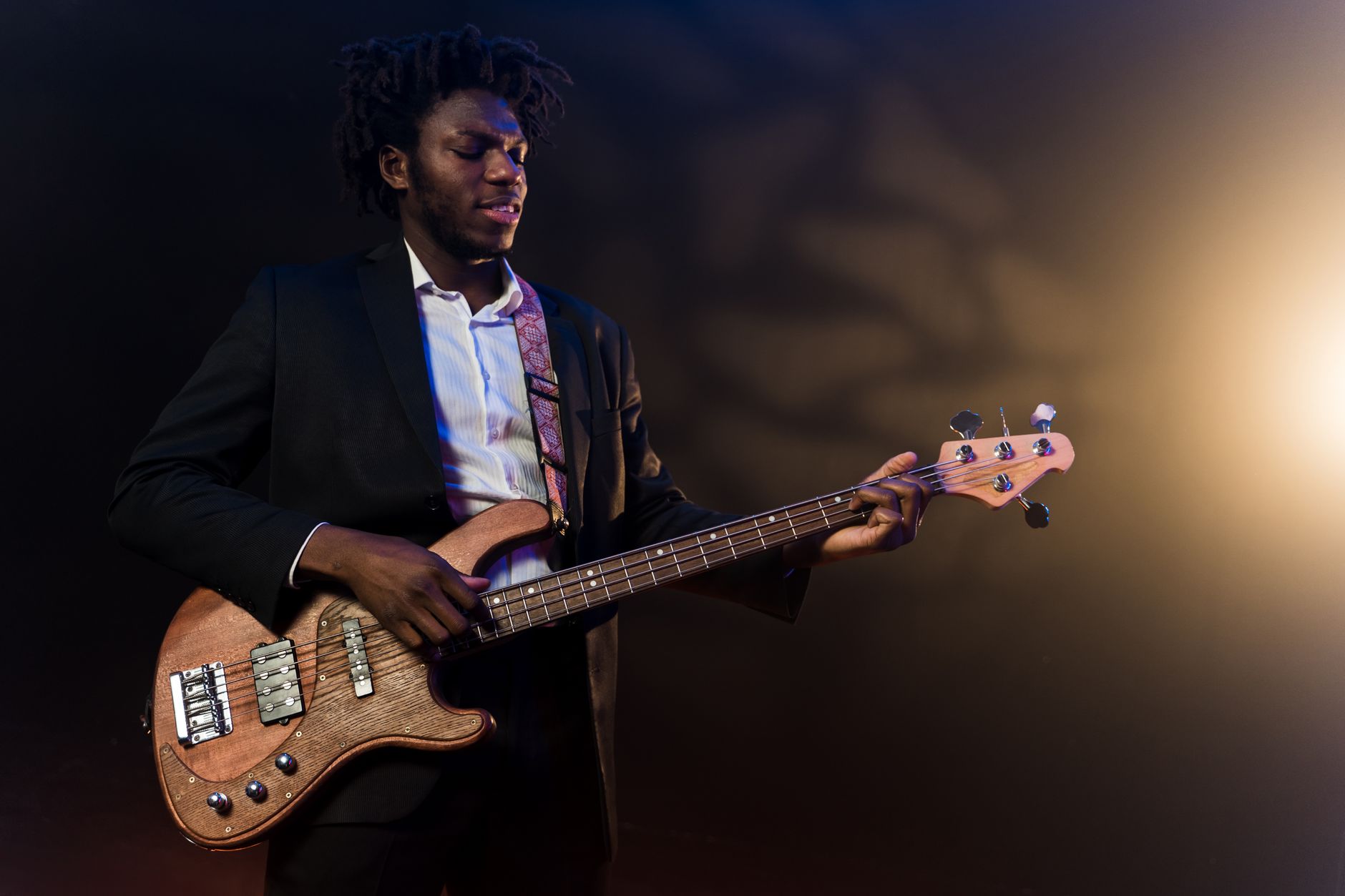
Why This Gets Ignored
Part of the problem is that good bass playing is perceptually invisible. When it’s working, listeners experience the song as simply working. Attribution goes to the vocalist, the hook, the production. When it fails, most people describe the result vaguely — the track feels flat, something’s off. They rarely trace it to the low end.
This invisibility is a professional hazard. Bassists who are genuinely excellent rarely get credited with the precision they’re exercising on every bar. Carol Kaye, who played on an enormous number of recordings made in Los Angeles during the 1960s, spent years having her session credits disputed or reassigned. The work itself was never in question. The bass just doesn’t register as something someone has to be brilliant at.
That assumption is worth dropping. The next time a song feels right without you being able to say why, start there.