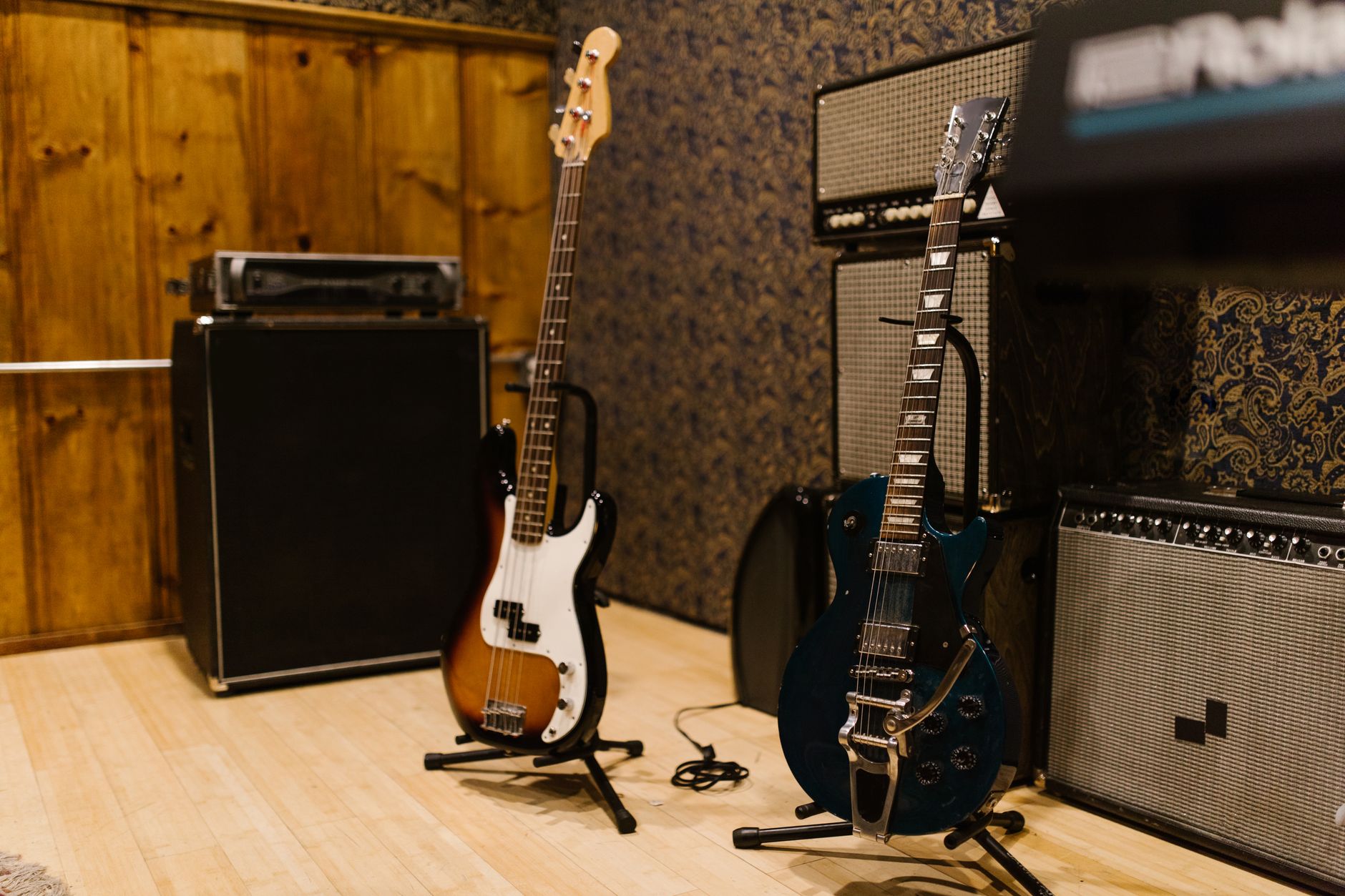
Low end gets overlooked because when it’s done right, you don’t hear it — you just feel like the song makes sense. The bass sits below the threshold of conscious listening for most people. They’ll complain about a harsh snare or a piercing vocal, but they’ll rarely walk away from a track thinking that bass guitar was perfectly placed. They’ll just think it was a good song. That invisibility is the whole point, and it’s also why bass mixing is genuinely one of the hardest disciplines in record production.
Nobody Complains About What They Can’t Identify
Most listeners locate music in the midrange. Voices, guitars, piano — that’s where attention lands. The bass register exists more as physical sensation than sonic detail, which means a bad bass mix doesn’t announce itself as a bass problem. It announces itself as a vague sense that the track feels muddy, or thin, or like it lacks weight. The actual cause is obscured. Producers know this, and the good ones treat low-end work accordingly — as foundational rather than decorative.
The relationship between the kick drum and the bass guitar is where most of this work lives. When those two elements compete for the same frequency range, neither one wins. Classic approaches to separating them — side-chain compression, EQ notching, choosing between a pick-attack bass and a fingerstyle bass depending on what the kick needs — aren’t secrets, but they require patience that a lot of home recording skips past. The result is music that sounds unfinished in a way that’s hard to name.
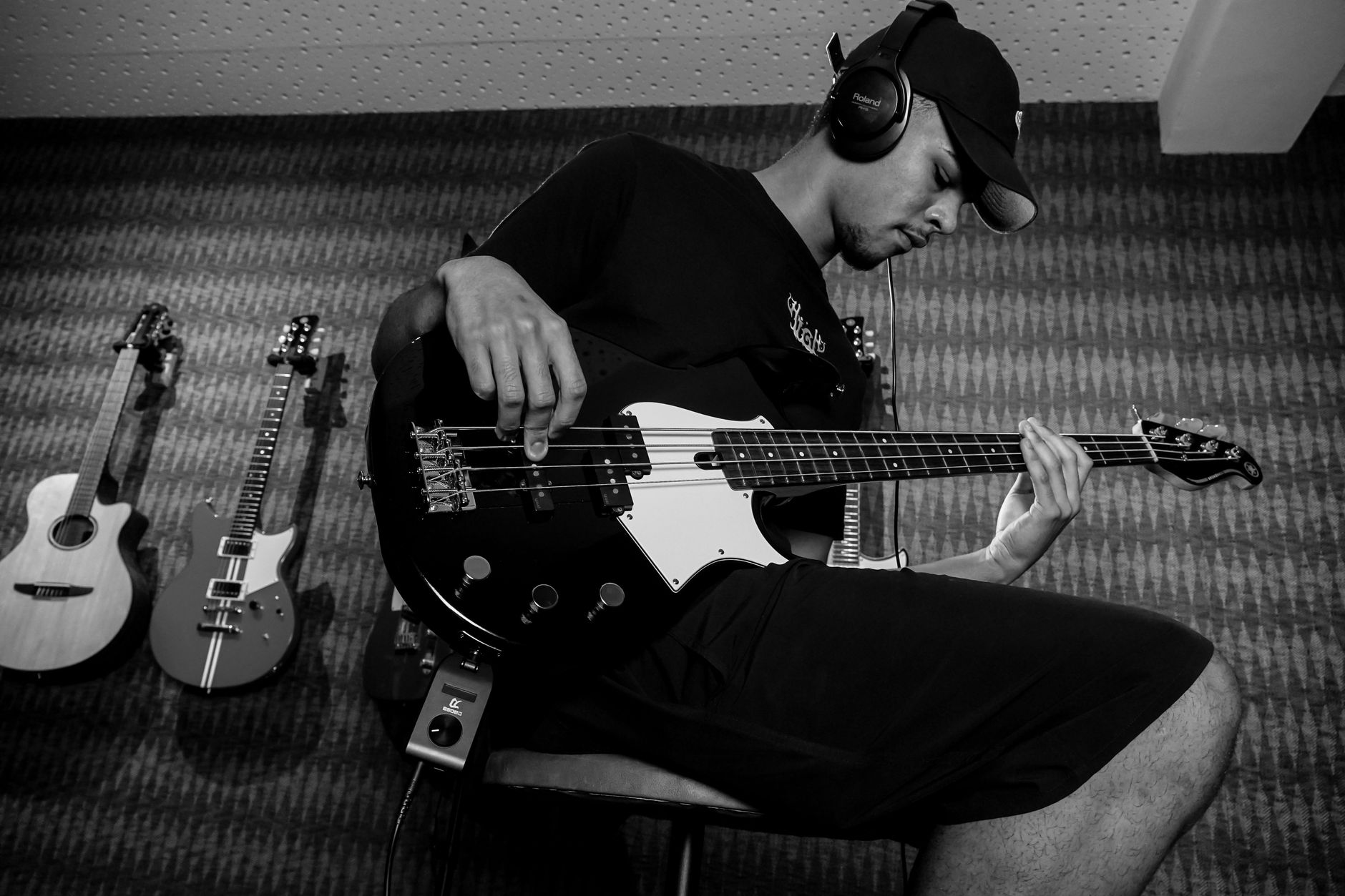
It’s a Genre Problem Too
This matters more in some contexts than others. In reggae and dub, the bass is the lead instrument — it carries melody, it defines the space. Lee “Scratch” Perry and King Tubby built entire production philosophies around treating bass as foreground. What they were doing was unusual for the era, and it still sounds unusual, which is the point.
In rock and pop production, the assumption tends to run the other way: bass fills in the bottom and stays out of the way. That’s not wrong, exactly, but it’s conservative in a way that leaves real expressive potential untouched.
There’s something interesting about the fact that the instrument most responsible for a track’s sense of physical weight is also the one most producers spend the least time explaining. What that means for the next generation of home producers — recording into laptops with cheap earbuds that reproduce almost nothing below 100Hz — is a question worth sitting with.