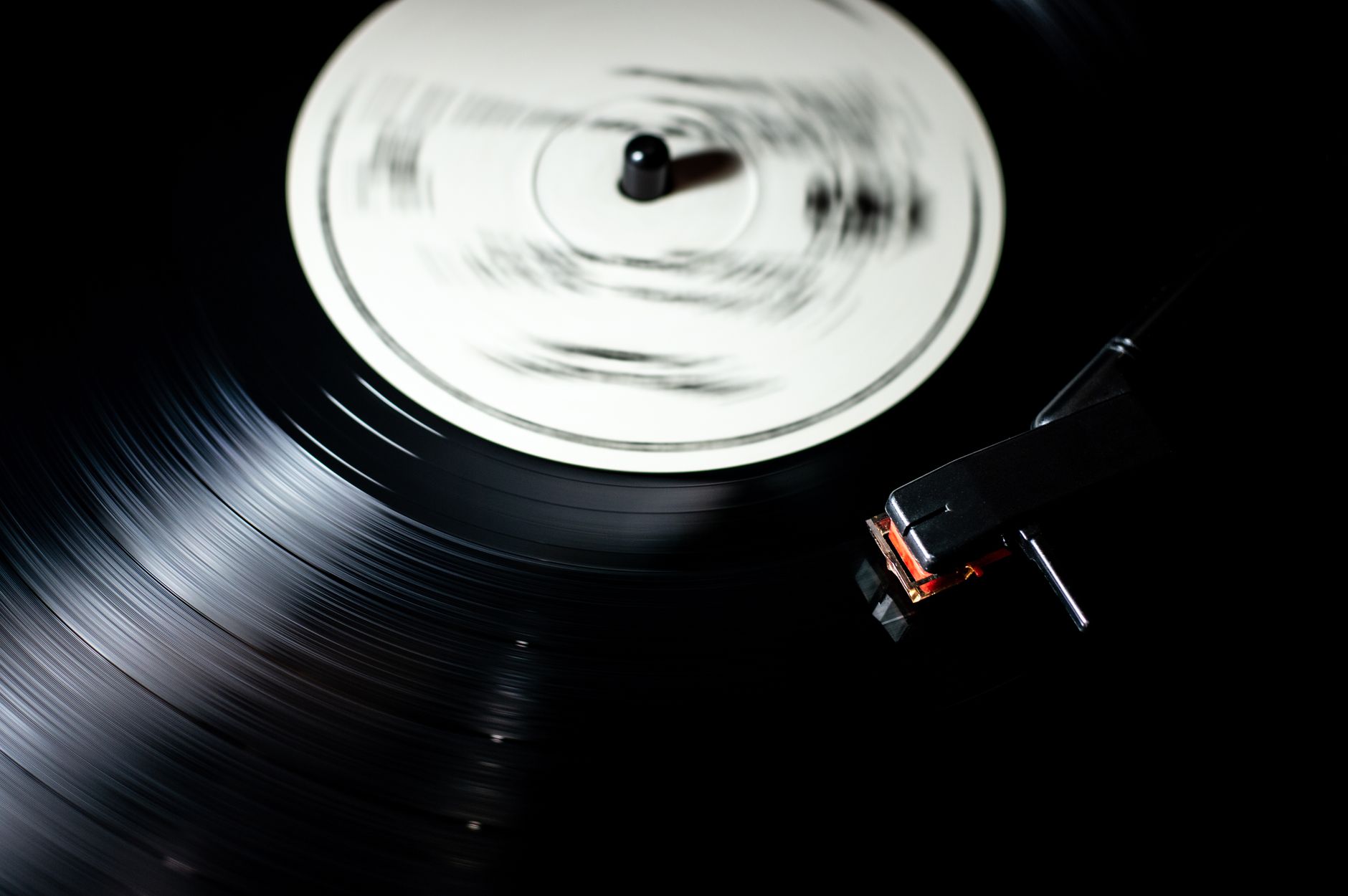
Record labels treated B-sides as contractual obligation. You needed a second track to press a single, so you put something there — a live cut, an instrumental, an oddity that didn’t fit the album’s tone. The assumption was that nobody was buying the seven-inch for the back. They were wrong, and the evidence has been sitting in crates at second-hand shops for decades.
Some of the most interesting recordings in rock and soul history exist only because a B-side gave an artist permission to be strange. The Velvet Underground’s ‘Stephanie Says’ didn’t appear on any studio album until years after it was recorded. ‘Hey Joe’ — before Hendrix made it famous — circulated as a B-side through the mid-sixties. The format’s low stakes created breathing room that album tracks rarely had. Nobody was stress-testing a B-side in marketing meetings.
What made serious listeners hunt them down wasn’t exclusivity for its own sake. It was the texture. A B-side often sounds like the band in a different gear — less produced, slightly off-axis. The Smiths released ‘Oscillate Wildly’ as a B-side in 1985. It’s an instrumental, which meant it could never anchor a radio campaign, which meant Morrissey apparently felt free to leave it alone. It’s one of the most quietly beautiful things they recorded.
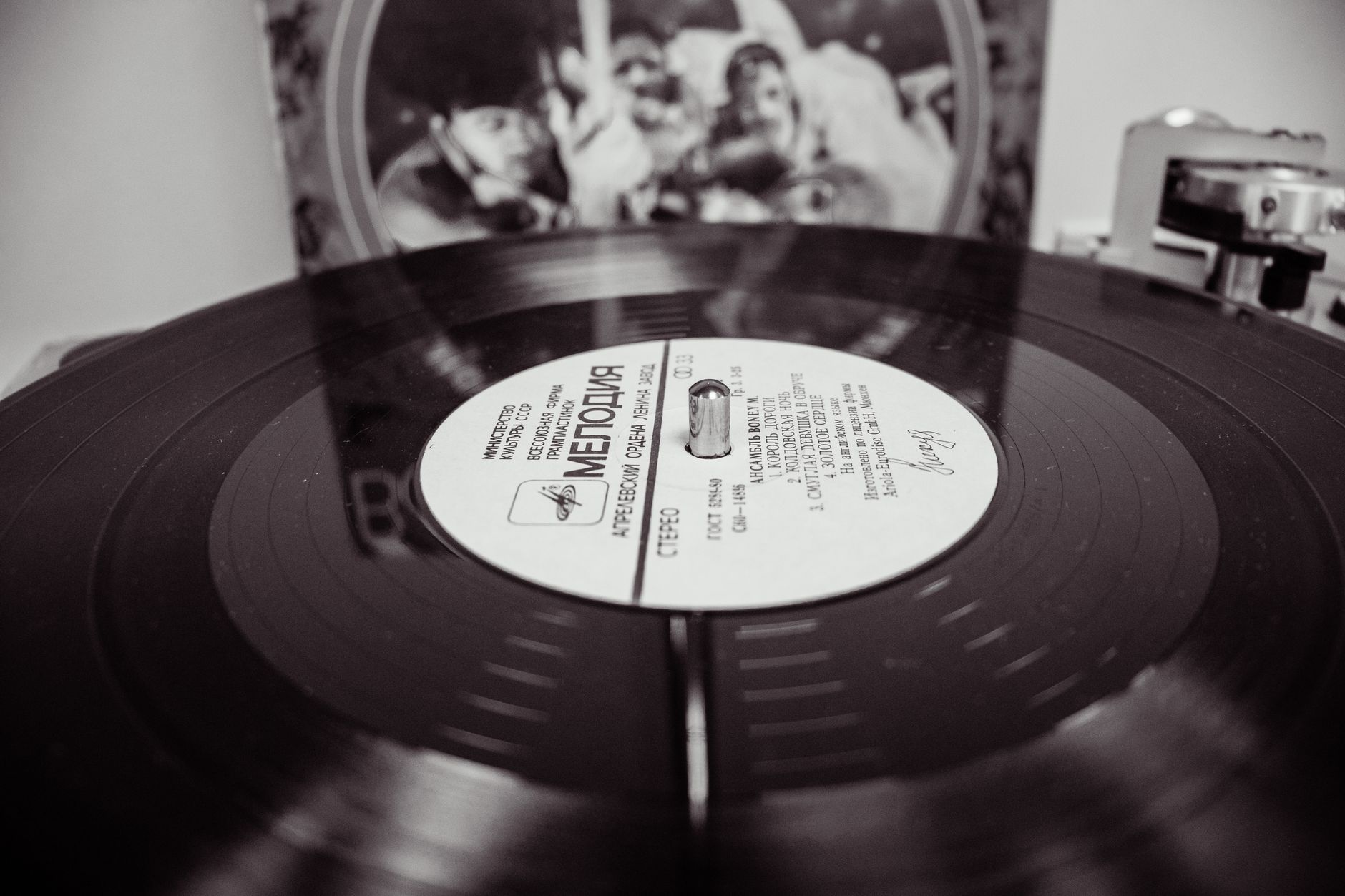
The Streaming Platforms Didn’t Replace This
Spotify’s algorithm surfaces ‘deep cuts’ by pointing you toward album track seven. That’s not the same thing. A B-side wasn’t deep — it was adjacent. It existed in a different relationship to the main work, sometimes recorded in a different session entirely, sometimes by a slightly different lineup. Streaming has no structural equivalent because it has no physical format to flip over. Everything lives on one side now.
There’s no argument here for nostalgia about physical media broadly. Vinyl has its advocates and its fetishists and the conversation is tired. But the B-side specifically was a function of constraint — you had two sides, one was for the hit, and whatever happened on the other side happened. That pressure produced something. The complete artistic control that digital distribution offers has not obviously produced more interesting leftfield recordings. It’s produced more of everything, which is a different thing entirely.