
The A-side was what the label wanted. The B-side was where the artist was actually living.
There’s a particular kind of song that only exists because nobody expected anyone to hear it. Before streaming flattened everything into one endless, undifferentiated queue, the B-side occupied a strange position — commercially disposable, creatively unguarded. The pressure was off. And that absence of pressure is exactly why so many B-sides turned out to be the more interesting piece of music on the record.
Think about what a B-side actually was in practice. A song that didn’t fit the album. A live cut. An instrumental the band recorded on the last afternoon of a session because there were still two hours of studio time paid for. A cover done as a joke that ended up sounding genuinely good. The B-side was the place where musicians could be weird, or slow, or uncommercial, without it costing anyone anything. The economics accidentally created a permission structure that the A-side never had.
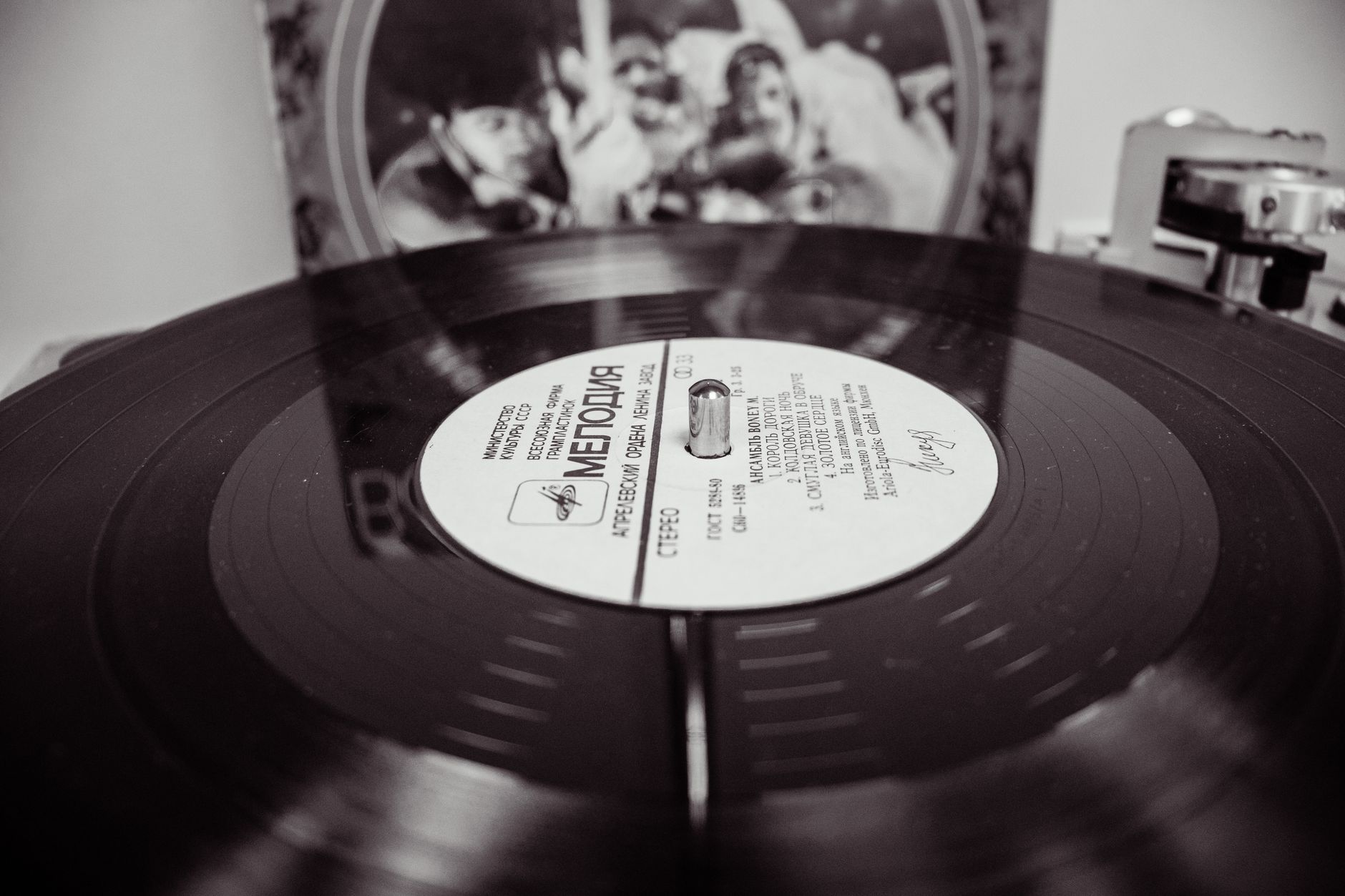
Some of the most-discussed songs in rock and soul history started as B-sides — “Good Vibrations” was a single, but the Beach Boys’ stranger, more exploratory material often ended up on the flip. The Beatles’ “Rain” was the B-side to “Paperback Writer.” Stevie Wonder’s “Uptight (Everything’s Alright)” was backed with a cover of Bob Dylan’s “Blowin’ in the Wind” that, for a lot of people buying that 45, was the first Dylan song they ever heard. That’s not a trivial thing — a B-side quietly expanding someone’s entire frame of reference while the A-side got the radio play.
Streaming didn’t just kill the format. It killed the logic behind it. There’s no longer a commercial track that subsidises the experimental one. There’s no flip side. Every song now competes on the same terms, which sounds democratic but mostly just means that anything that doesn’t hook a listener in the first thirty seconds quietly disappears into the algorithm. The weird, slow, unguarded thing has nowhere to hide.
What’s been lost isn’t nostalgia for a physical object. It’s the structural accident that kept giving artists a room with no expectations in it. Those rooms produced something that pure creative freedom rarely does — music made without the weight of intention.