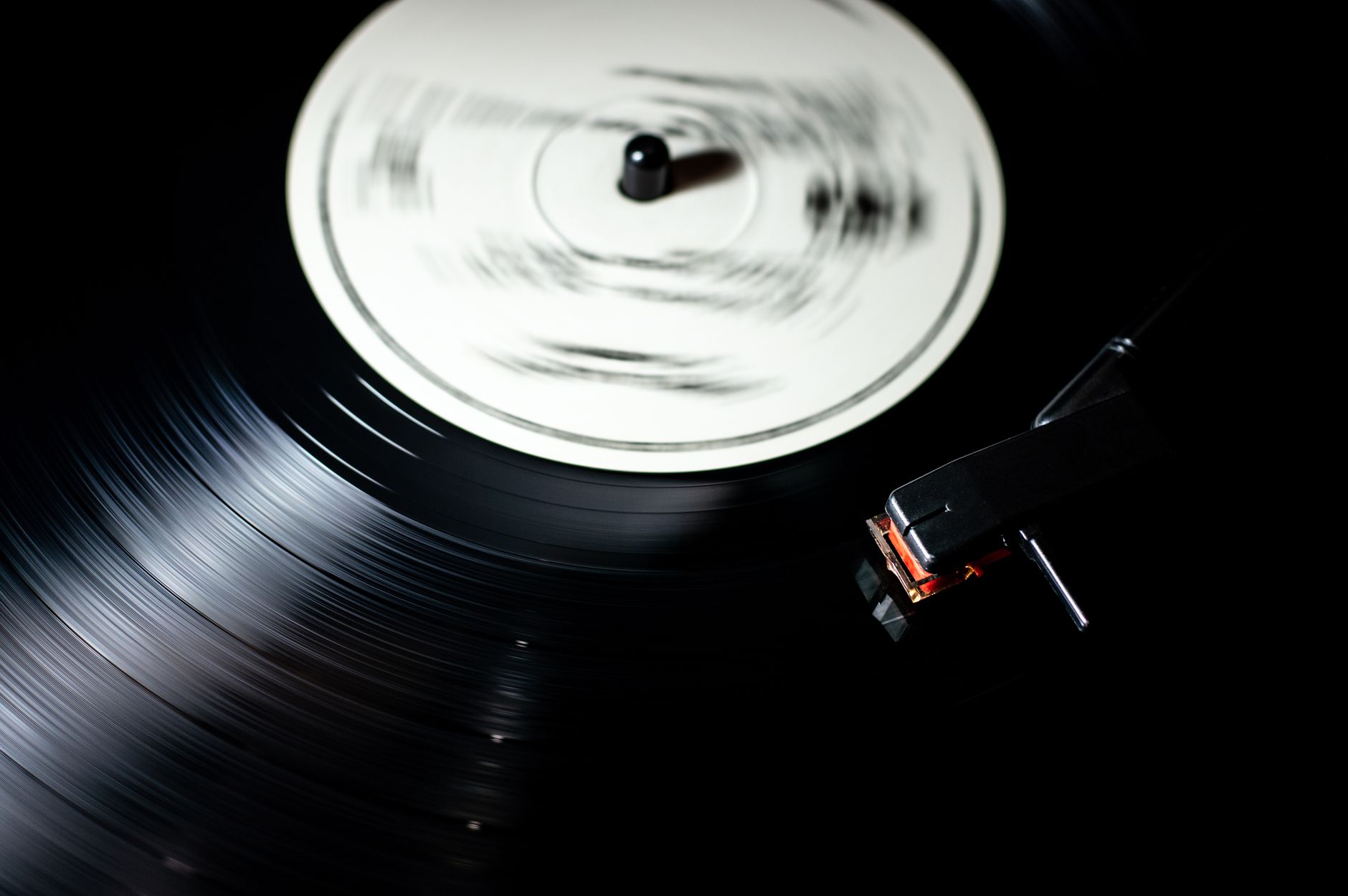
There’s a specific feeling that comes from flipping a single and finding something that clearly wasn’t meant to carry any weight. No chorus designed to hook radio programmers, no structure that fits neatly into three and a half minutes. Just a band — or sometimes one person alone in a room — doing something the label probably tolerated rather than requested. That’s where a lot of the best music I’ve ever heard lives.
The B-side existed because physical formats needed filling. That’s the unglamorous truth of it. When 7-inch singles dominated the market through the fifties, sixties, and into the seventies, something had to go on the back. Sometimes it was a throwaway. But sometimes — and this is the part that still surprises me — it was the track the artist actually cared about most, slipped in precisely because nobody was looking.
Joy Division put “Atmosphere” on a French flexi-disc release in 1980, effectively hiding it. It’s now probably the most emotionally devastating thing they ever recorded. The Smiths’ “Rubber Ring” appeared as a B-side in 1985 and contains what is maybe Morrissey’s most direct statement about what music actually means to lonely people. Neither of those tracks were the primary product. Both of them outlasted almost everything that was.
The A-Side Has Too Much to Prove
The A-side is performing. It knows it’s being evaluated — by radio producers, by press, by an audience that hasn’t committed yet. That pressure shapes it, usually toward the familiar. The B-side doesn’t have that problem. It’s already been pushed to the back. Whatever happens to it is fine.
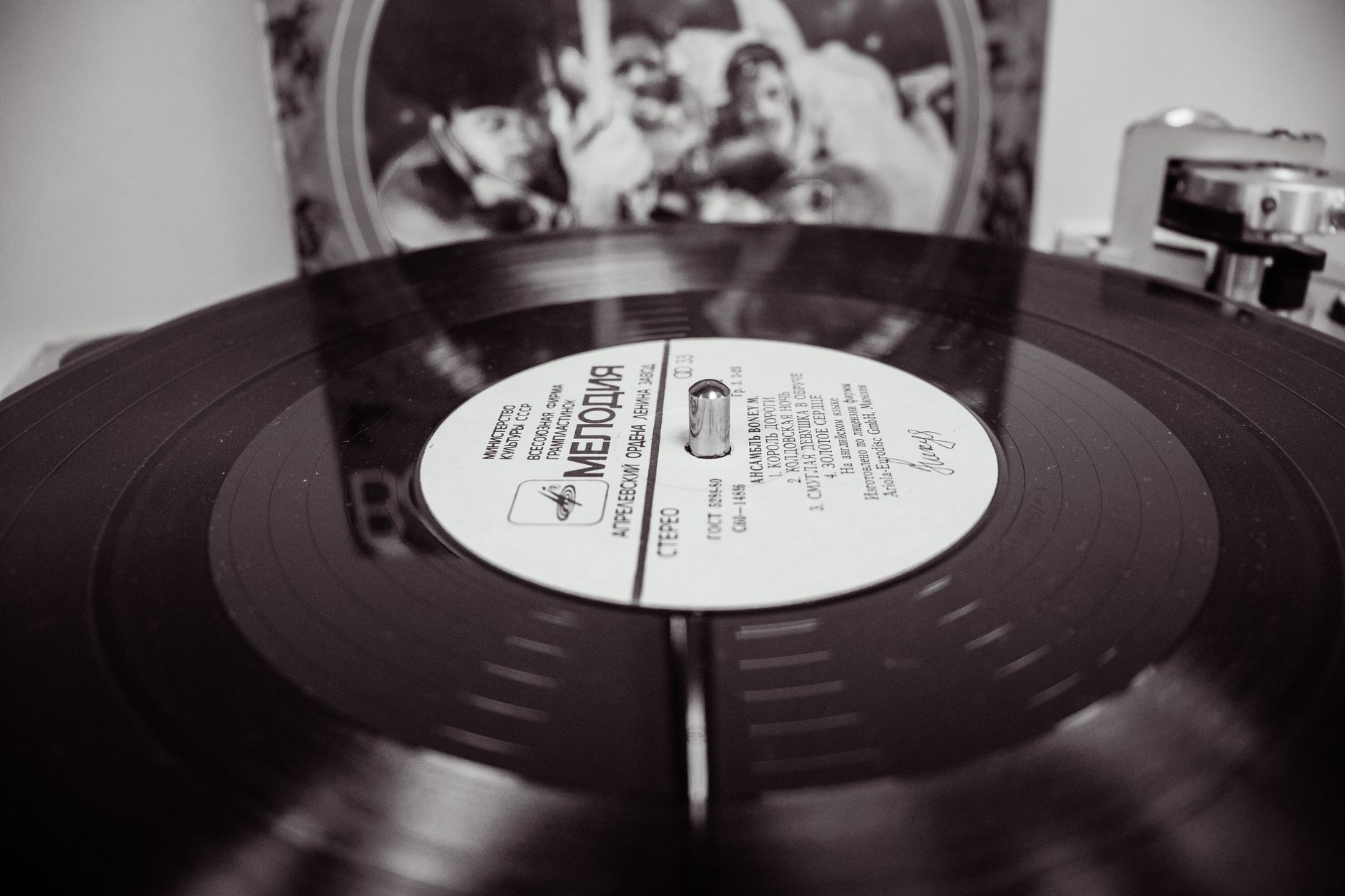
That freedom produces a different kind of honesty. Stranger arrangements, slower tempos, lyrics that don’t resolve cleanly. The B-side can be a mood rather than a song. It can stop before it’s finished.
Why It Still Matters When the Format Doesn’t
Streaming flattened the geography of a release. There’s no back anymore — every track sits in a list, theoretically equal. But artists still sequence deliberately, still bury things. A track at position eleven on a fourteen-song album can carry the same energy as an old B-side: the sense that you found something you weren’t supposed to find first.
I’m not sure the B-side as a concept died with the format. I think it migrated. And I keep finding it in places it technically shouldn’t exist anymore — the quiet track after the single, the one with no cover art on its individual tile, the one that got two hundred thousand streams while everything around it got twenty million.
Something about being overlooked protects a song from becoming furniture.