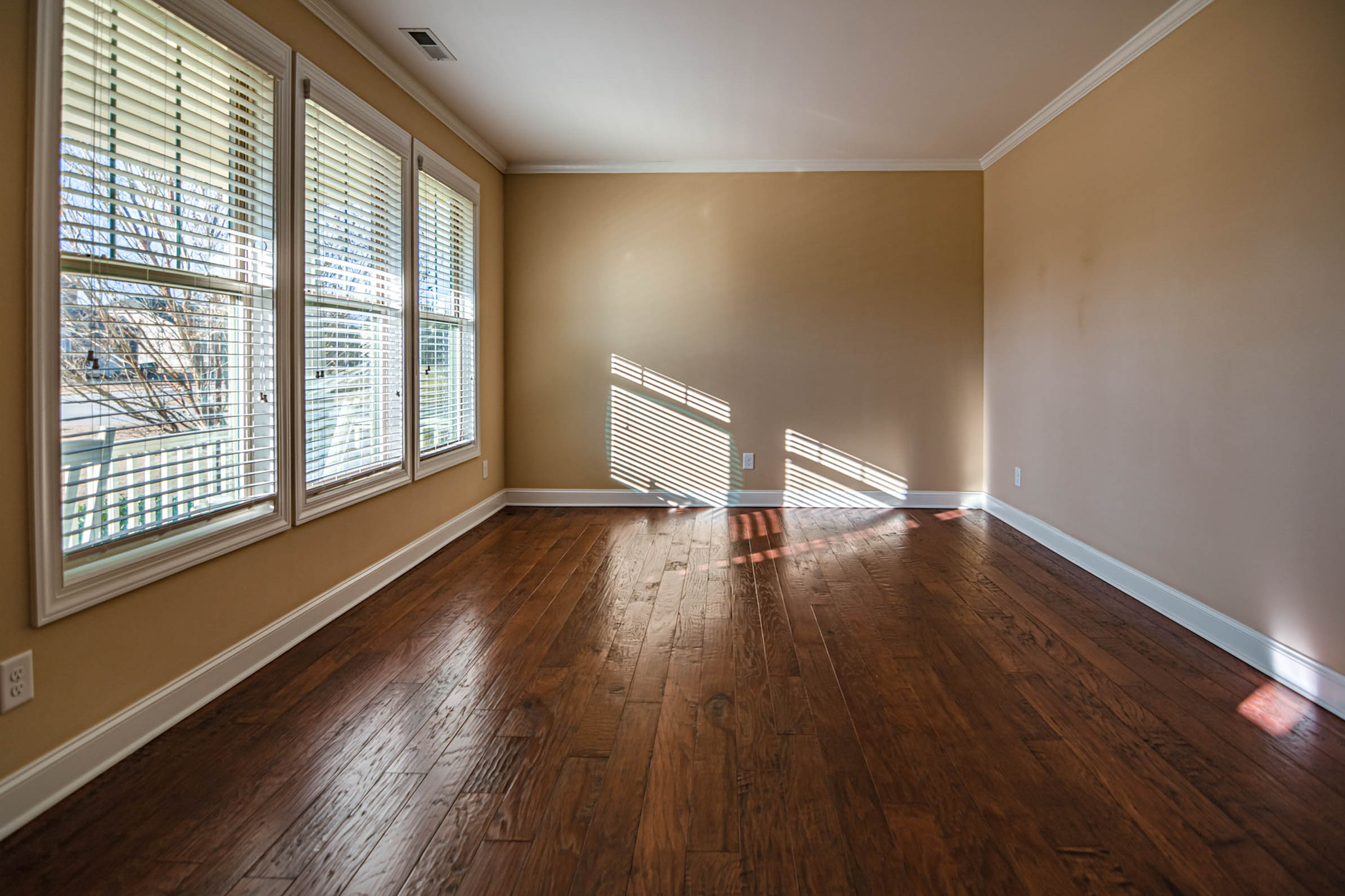
Some records only work when the house is empty. Not because they’re embarrassing or private, but because they demand a quality of attention that other people — even quiet, well-meaning ones — make impossible.
For me it’s Scott Walker’s Tilt. Released in 1995, it’s a record of extraordinary strangeness: orchestral, dissonant, hushed in places that should be loud and genuinely alarming in places that should be calm. It is not background music. It is barely foreground music in any conventional sense. Putting it on while someone else is in the flat feels like reading a difficult letter out loud — the words land differently when you know you have an audience.
The ritual is specific. Midweek, afternoon, ideally overcast. I don’t light candles or make a ceremony of it — that tips over into performance. I just sit somewhere without a screen in my eyeline and let the thing play from the beginning. No skipping. The sequence matters on Tilt in a way it doesn’t on most records; the discomfort builds by accumulation.
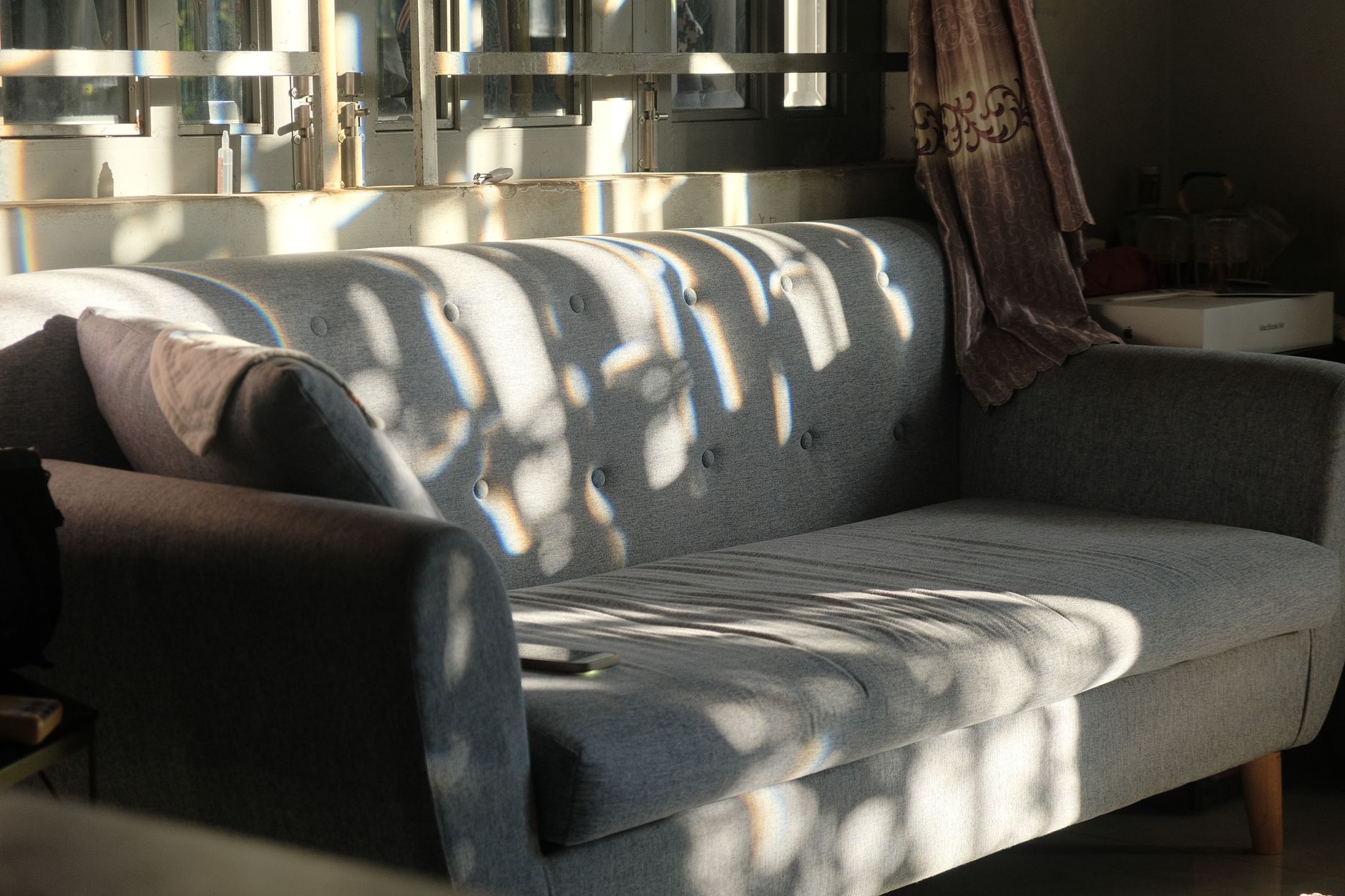
What I’m describing isn’t the dark room first-listen experience — that’s about processing something new. This is about returning, repeatedly, to something that never quite becomes comfortable. There are albums you listen to because they’re pleasurable. There are albums you listen to because they’re yours, and they need the room to themselves.
The sociability of music streaming has quietly eroded this. Shared queues, collaborative playlists, the permanent availability of what someone else nearby is hearing — all of it makes solitary, non-ambient listening feel faintly antisocial. The assumption now is that music is either background or shared. A record that demands you sit alone with it, doing nothing else, reads as eccentric behaviour rather than a normal way to spend ninety minutes.
It isn’t eccentric. It’s just increasingly countercultural, which is its own small irony — that the most radical thing you can do with a piece of music in 2026 is give it your undivided attention in an empty room.