
Side two of Abbey Road only works if you’ve sat through side one. That’s not a preference — it’s architecture. The medley that closes the album lands harder because of what precedes it: the slower middle stretch, the brief experimental detours, the sense that something is being built rather than delivered. Play ‘Golden Slumbers’ cold, out of sequence, and it’s a pleasant enough ballad. In context, it’s a conclusion.
Streaming has made that kind of sequencing functionally extinct. Not in the sense that albums stopped being released — they didn’t — but in the sense that listeners no longer move through them in order. The shuffle instinct, combined with algorithmic playlist insertion, means that most songs now live in a context their creators never designed. Album sequencing has become, for most listeners, invisible.
What’s strange is how little this has changed production thinking. Artists still obsess over track order during the making of a record. Interviews with producers regularly surface this: hours spent debating whether a slower track belongs third or fifth, whether the album should open with the single or bury it. That craft still exists. It just lands in a vacuum.
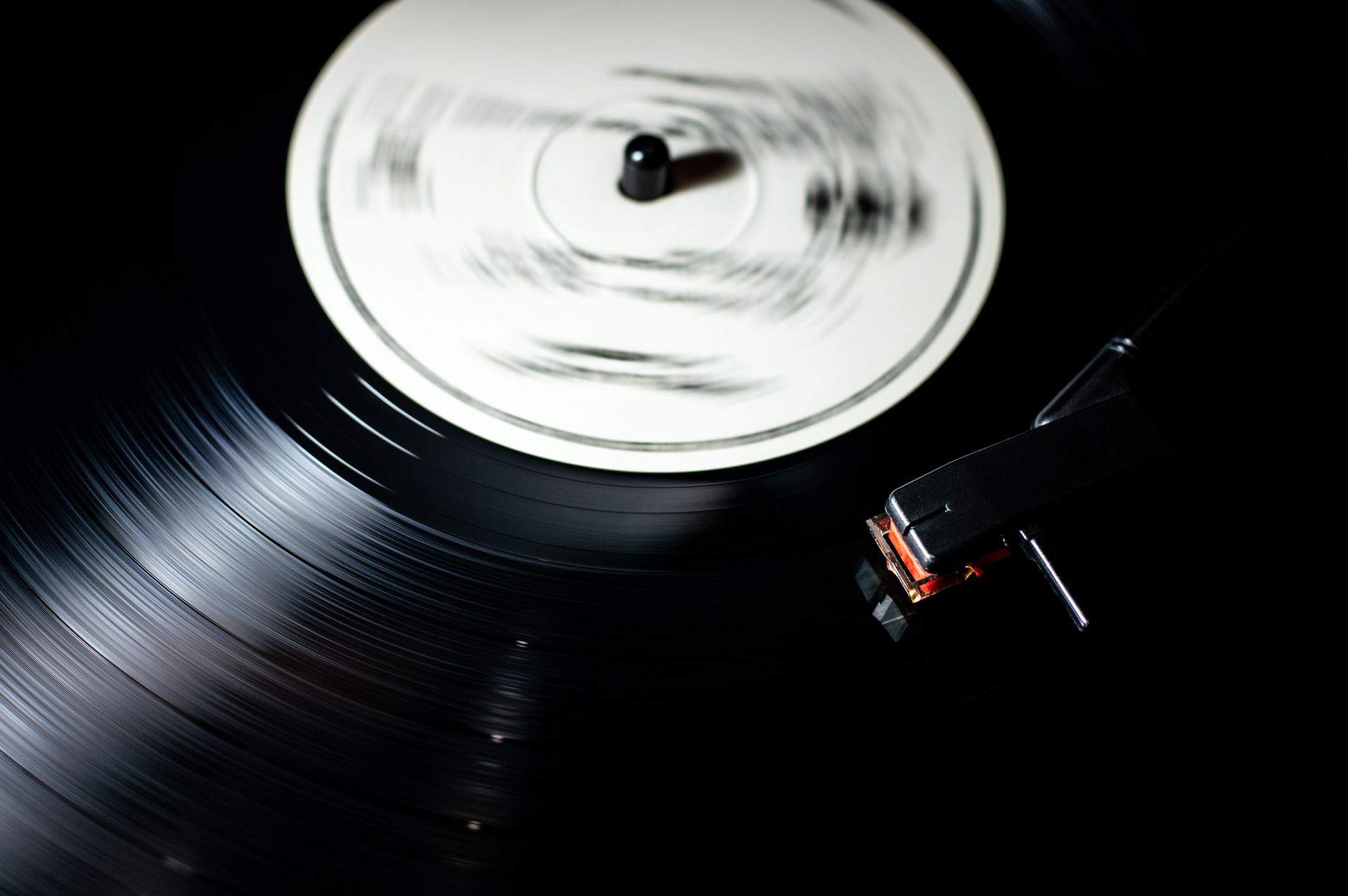
The format that bridged the gap was the CD-era front-loading strategy — lead with your strongest three tracks because that’s where casual listeners stop. That was already a concession to attention drift. Streaming just accelerated the logic until the sequence became irrelevant rather than merely pressured.
Some artists have pushed back by making albums that actively resist playlist extraction — records where songs bleed into each other, where silence and transition are used as compositional tools. Kendrick Lamar’s To Pimp a Butterfly is the obvious example: try to lift a single track from that record without losing something. Frank Ocean did similar things with Blonde, building an album where the mood accumulates rather than peaks and resets.
But those records are exceptions, and they were already exceptions in their own moment. Most artists now build for the single and then arrange the surplus into an album shape that nobody will experience intact.
The loss isn’t sentimental. Sequence is a structural argument — a claim about what belongs next to what, and why. When nobody follows it, the argument goes unmade.