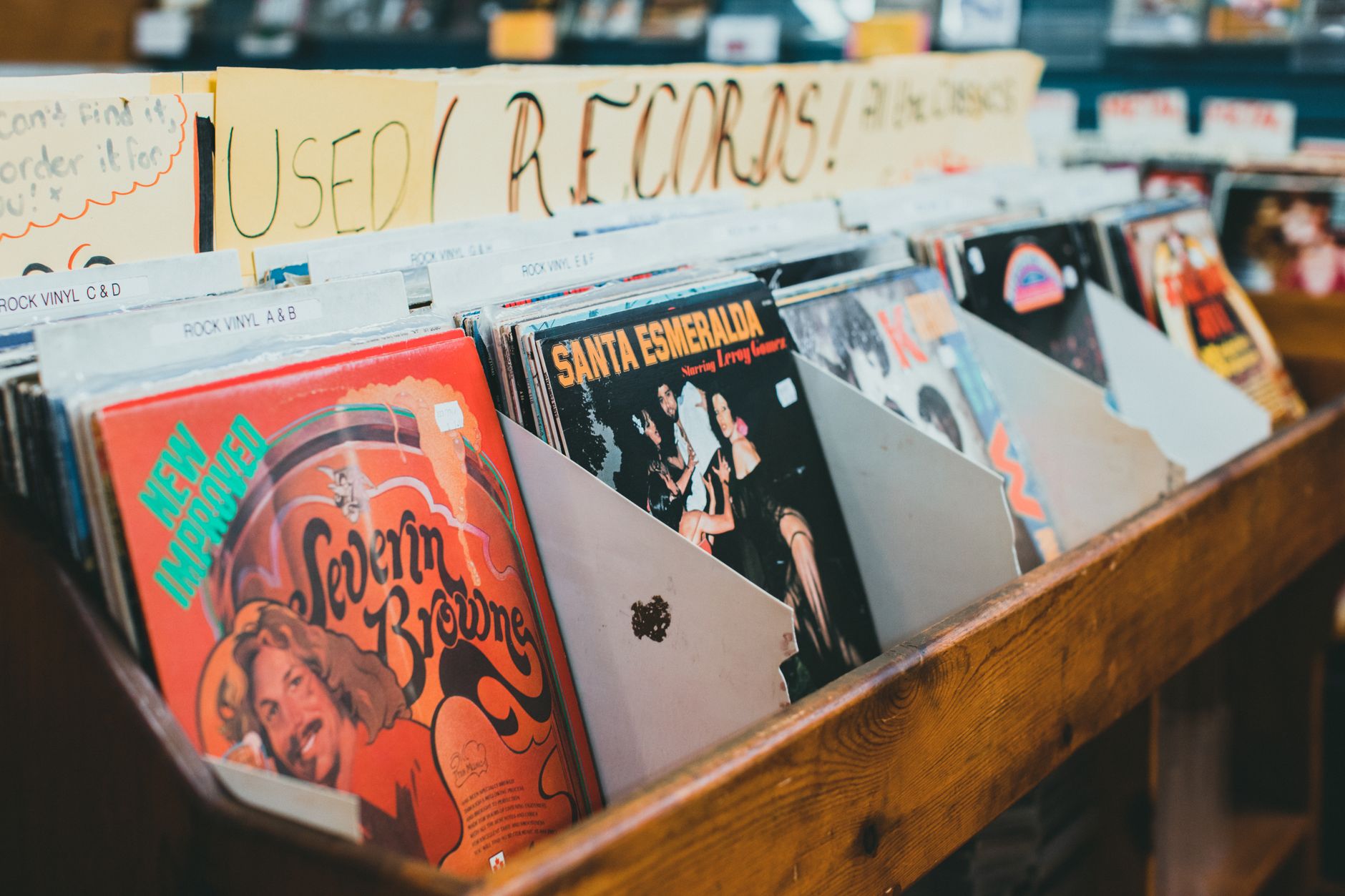
There used to be a moment — before you heard a single note — when an album told you something. You’d pick it up in a shop, or pull it from a shelf at home, and the cover did real work. Joy Division’s Unknown Pleasures with its radio wave pulses. The pastoral strangeness of Joni Mitchell’s Court and Spark. Funkadelic’s Maggot Brain, which is basically a dare. The image wasn’t decoration. It was the first sentence.
On Spotify, the cover is a 56×56 pixel thumbnail next to a progress bar.
This isn’t just nostalgia for physical formats. It’s a structural change in how albums communicate intent. When artwork occupied a 12-inch square — or even a CD booklet — it was commissioned at a scale that demanded commitment. Photographers, illustrators, designers, and art directors worked to produce something that could hold attention in a record shop window. That constraint produced a specific kind of ambition. The format shaped the aspiration.
What streaming replaced it with isn’t nothing — it’s something worse than nothing. It’s a tiny image optimised for scrolling past. Artists still commission cover art, but the platform it lives on treats it as a loading screen. The listen begins before you’ve registered what you’re looking at.
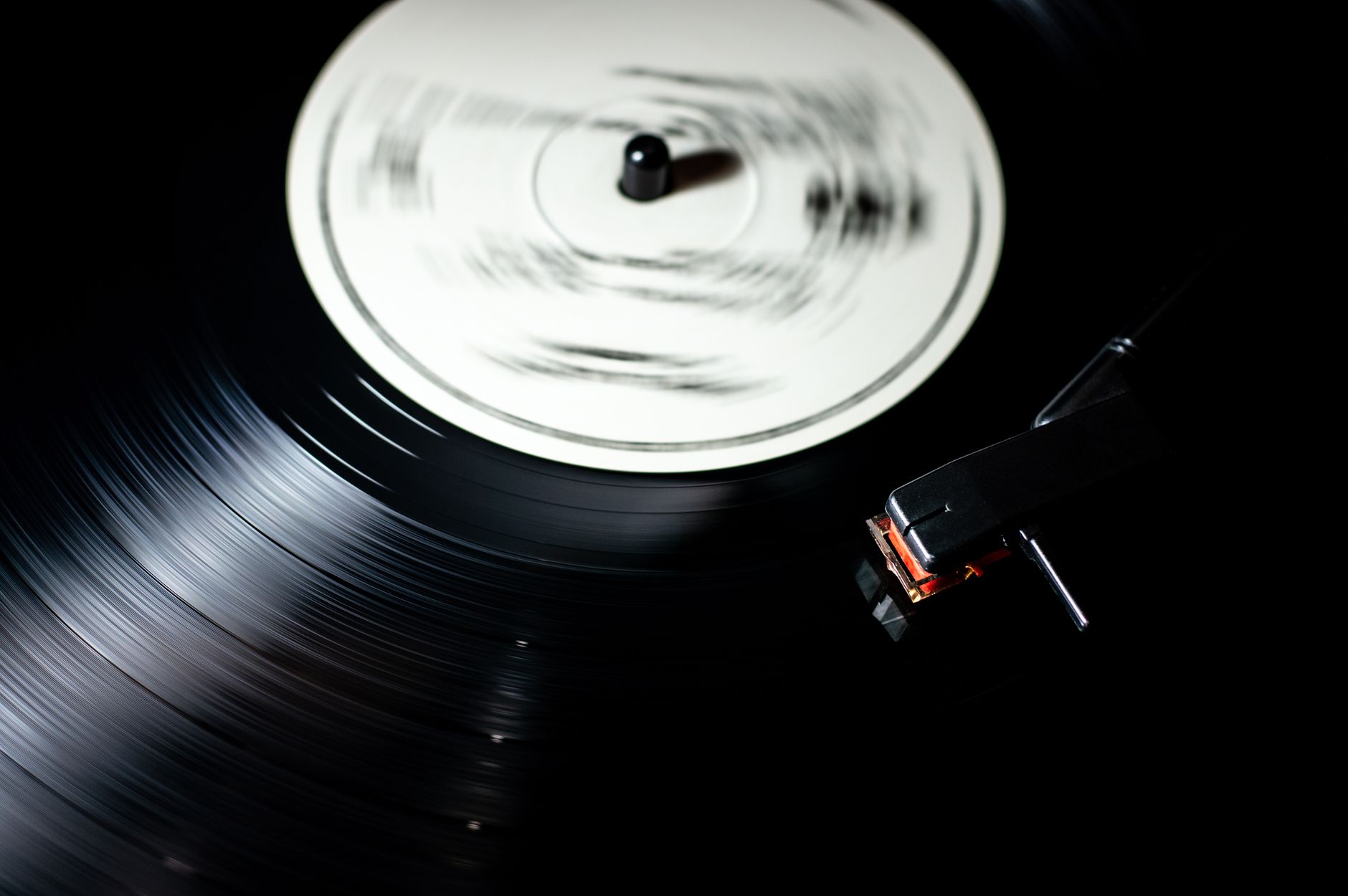
The packaging was part of the argument
When Prince released Around the World in a Day in 1985, the psychedelic cover artwork was a deliberate signal — this was not Purple Rain Part Two, not a commercial follow-up. The art made that case before the needle dropped. Listeners who engaged with the image were already primed differently. That kind of pre-framing is mostly gone now. Algorithms do the priming instead, serving the new record based on what you played last Thursday.
The result is that albums arrive context-free, and artists have less control over first impressions than at any point in the recorded music era.
Some respond by leaning into it — releasing artwork designed to read as a thumbnail, with high contrast and minimal detail. That’s a rational adaptation. It’s also a concession that the album cover, as a medium, has been subordinated to the interface.
Nobody announced this change. It just happened, one stream at a time, until the thing that used to greet you at the door was quietly shown out the back.