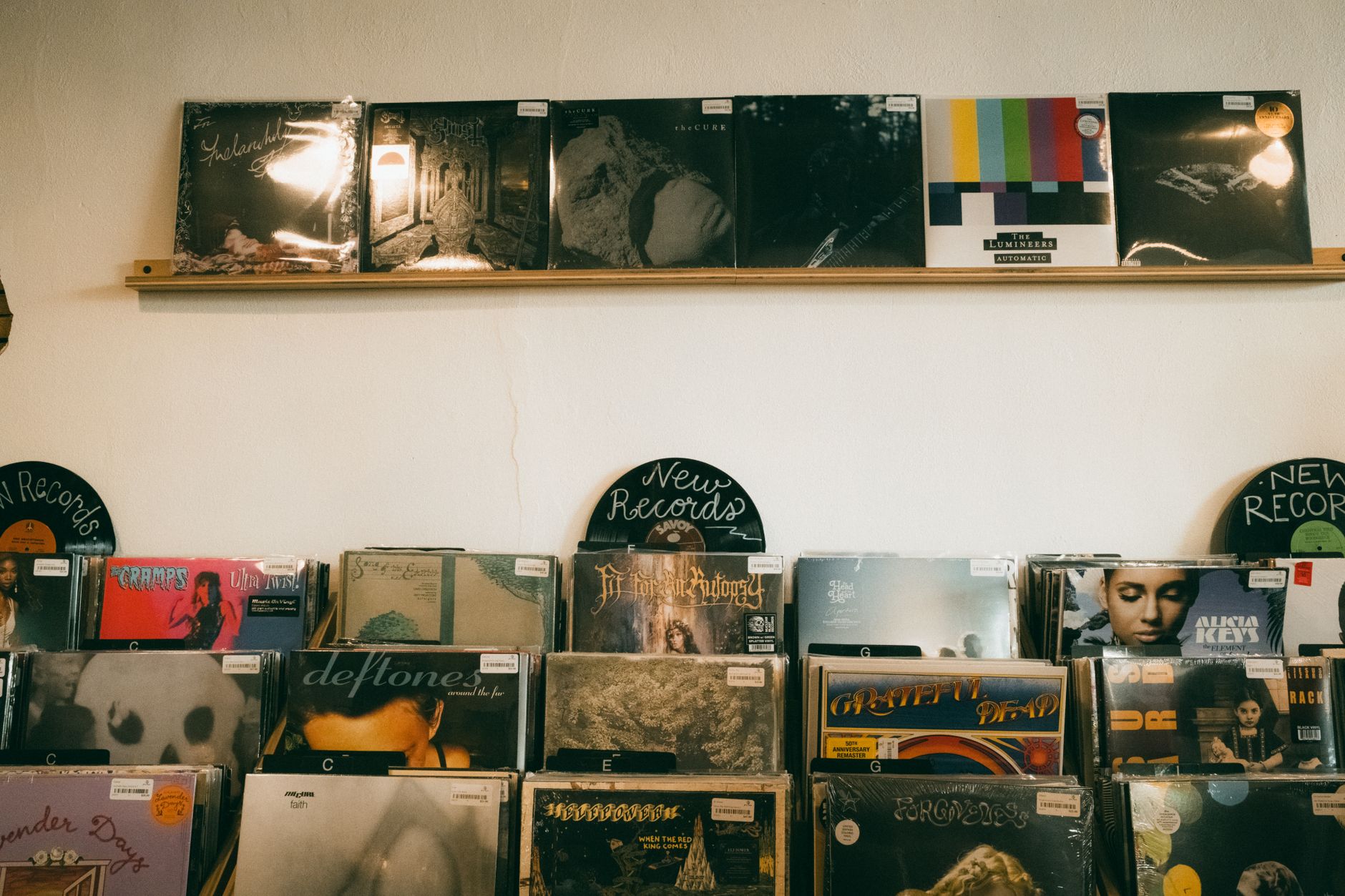
The artwork for Kendrick Lamar’s To Pimp a Butterfly was designed to be seen at twelve inches square. The crowd of men outside the White House, the judge slumped in the foreground, the bottles of Hennessy — it rewards time spent looking. On Spotify, it’s a thumbnail smaller than a postage stamp, glimpsed for two seconds before the screen locks. Most people never look at it again.
This isn’t nostalgia for vinyl. It’s a more specific observation: the visual context of an album used to arrive at the same time as the music, and now it mostly doesn’t. You hear the record before you’ve ever really seen it, if you see it at all. The image that was meant to prime your listening — to set a tone before the first bar — has been reduced to an icon you tap to get to the play button.
Album art was always doing more work than decoration. Hipgnosis, the design firm behind Pink Floyd and Led Zeppelin’s most iconic sleeves, understood that the cover was the first thirty seconds of the listening experience. The image told you how to hold what was coming. That function hasn’t disappeared, but it’s been severed from the actual moment of listening. You might encounter the artwork later — in a press piece, on a poster, in a social media graphic — but rarely at the exact moment of first contact with the music.
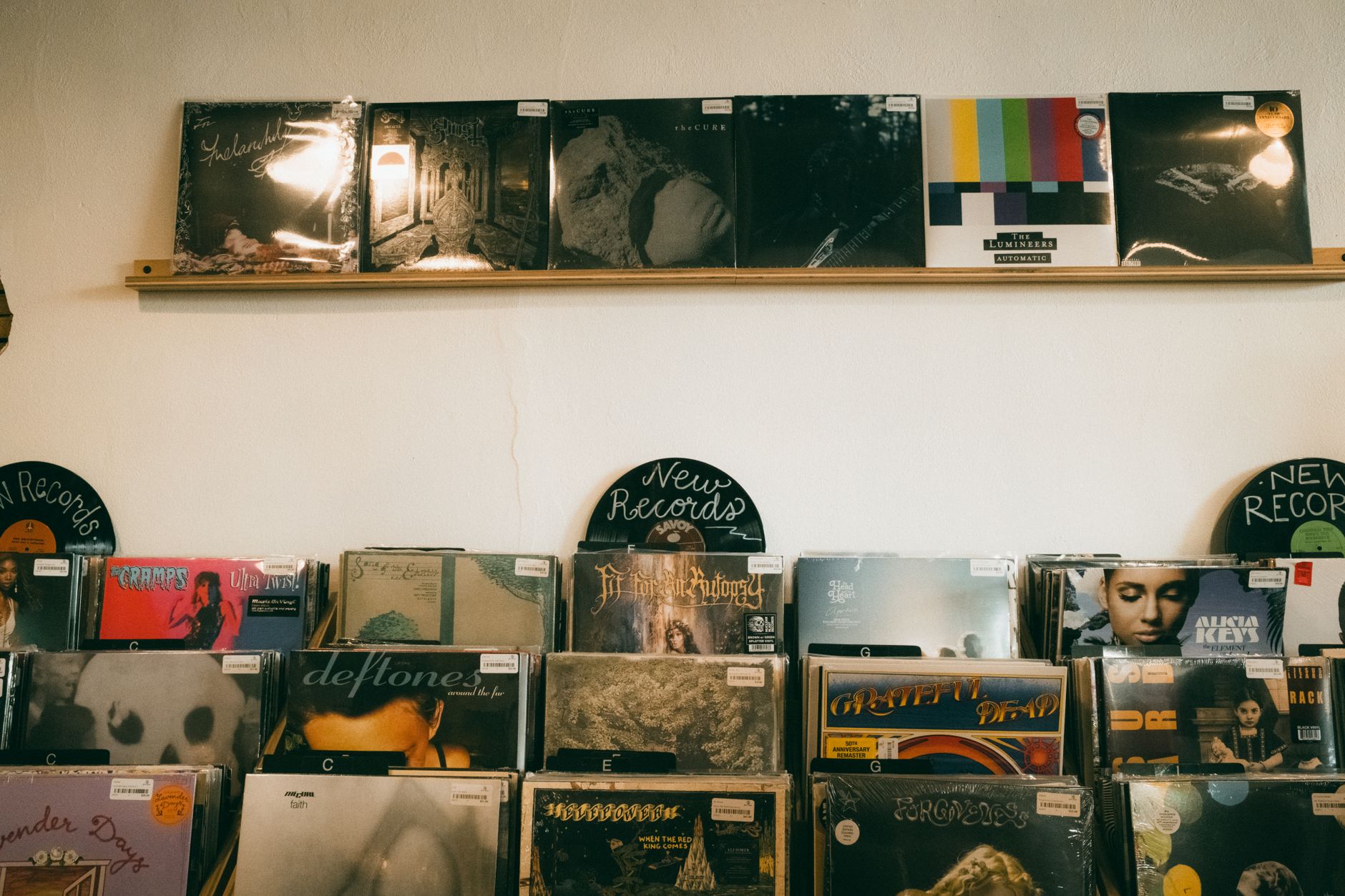
What replaced it is the playlist cover. A generic mood image, usually a photograph of a person from behind or an abstract colour wash. These are designed to scroll past, not to sit with.
Some artists have pushed back in ways that are interesting precisely because they feel slightly desperate: elaborate physical editions, zines bundled with downloads, QR codes linking to extended visual essays. These are genuine attempts to restore the image-to-sound relationship, but they reach a fraction of the audience and require active effort from the listener in a format built around passivity.
The more pressing question isn’t whether artists can reclaim the album cover — some will, some won’t — but whether the habit of arriving at music, of giving it a frame before you let it in, is something listeners still want at all. The answer isn’t obvious.