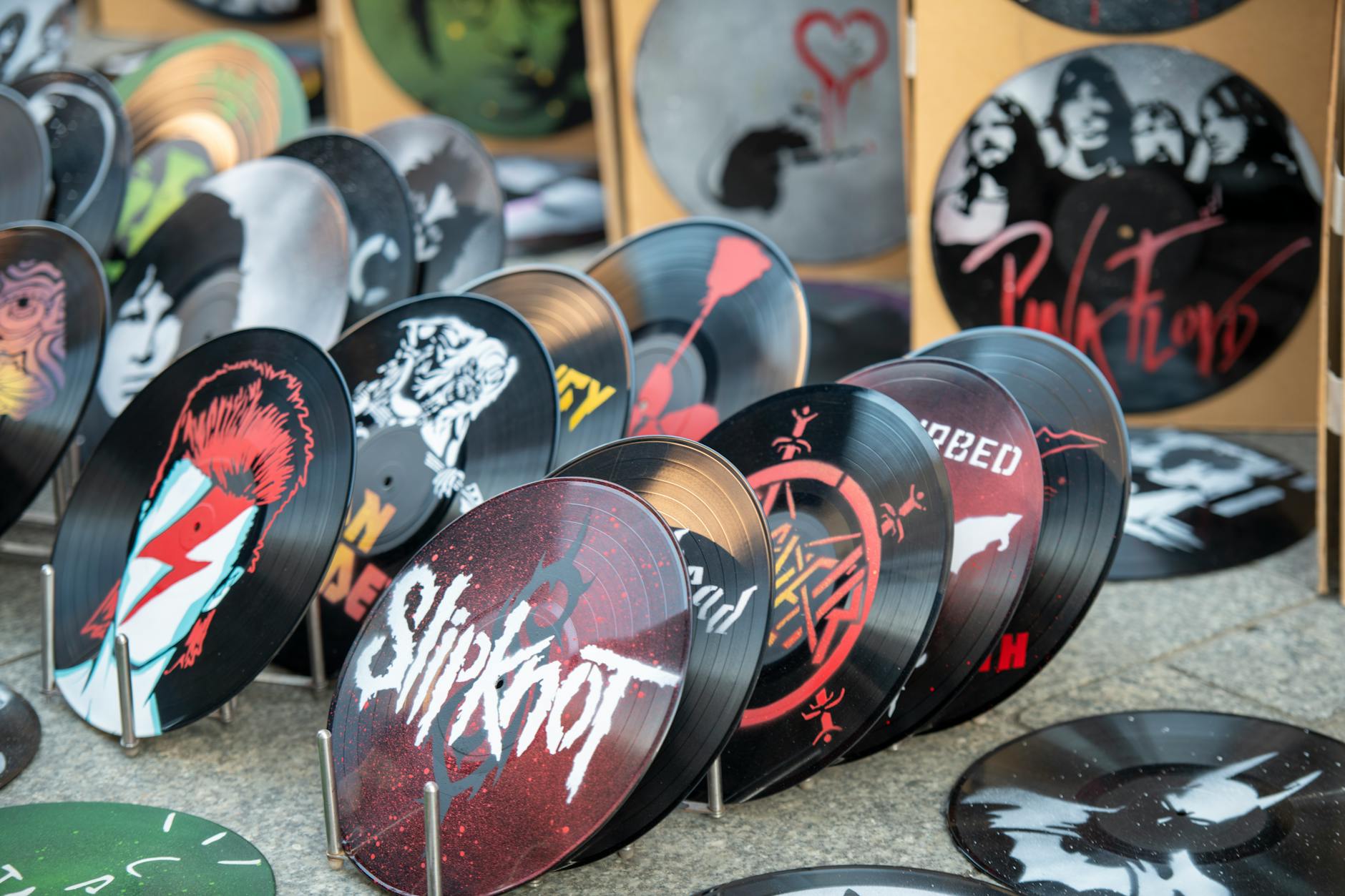
Album artwork used to require you to commit. You held it. Twelve inches of cardboard with a full-bleed photograph or an illustration that took a graphic designer weeks to finish — and you had no choice but to look at it, because it was physically in your hands while the record played. That relationship between image and sound was not accidental. It was load-bearing.
The shift to streaming didn’t just shrink the artwork. It made it optional. On most platforms, the cover sits in the corner of the screen at roughly 50x50 pixels, competing with notification badges and the name of whatever playlist the algorithm just added your song to. On a phone speaker in a kitchen, nobody is studying the imagery. Nobody is reading the liner note credits printed in six-point type on the inner sleeve. That entire layer of the listening experience — the visual grammar that an artist or their art director spent real time building — has been functionally removed.
This matters more for some records than others. Think of what gets lost with an album like Unknown Pleasures by Joy Division, where Peter Saville’s pulsar wave design is inseparable from how the record feels, or the hand-painted surrealism of Santana’s early covers, where the art was doing as much work as the music to tell you what world you were entering. These images were not decoration. They were framing devices.
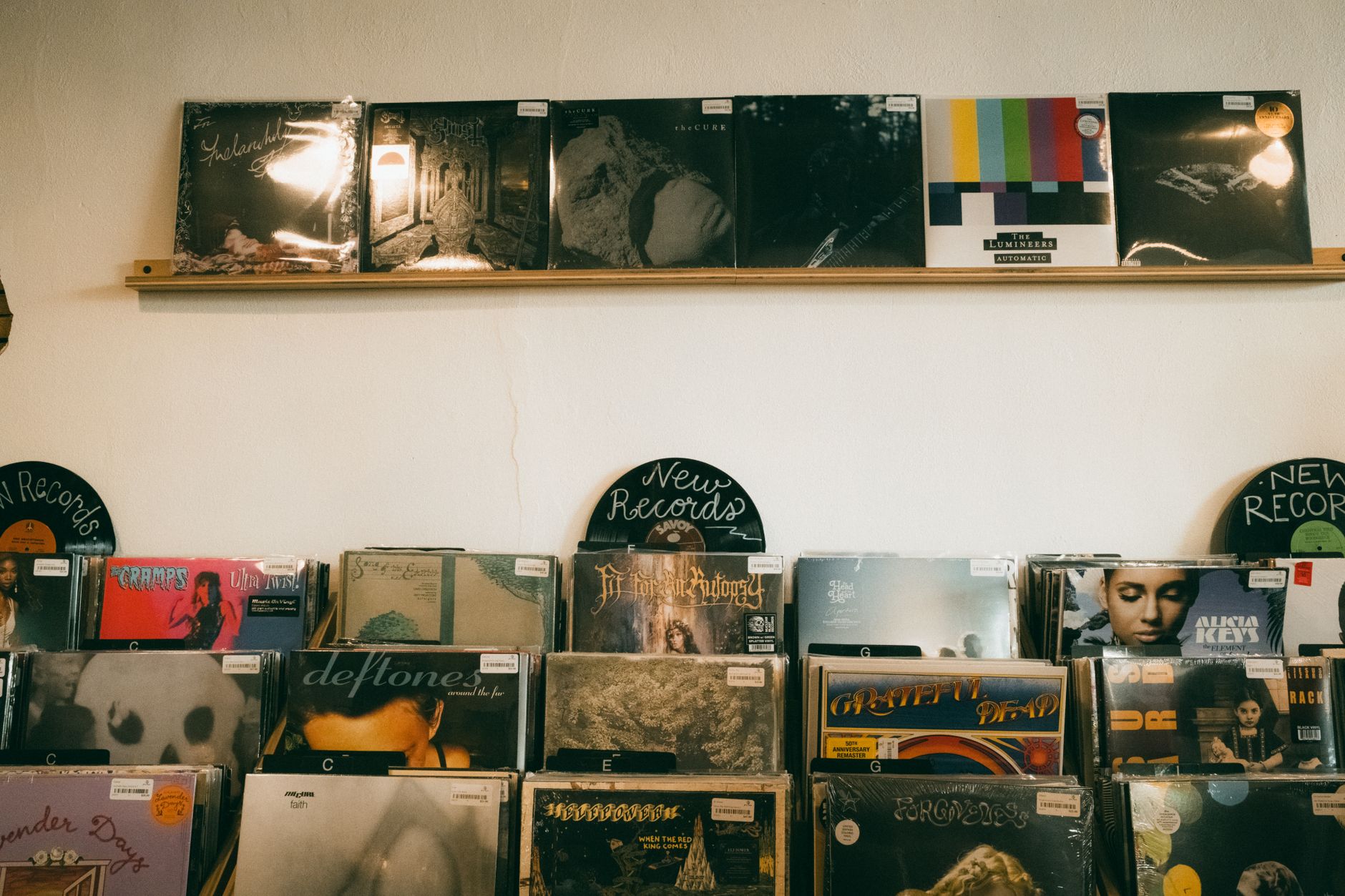
The artists who understand this have mostly retreated to vinyl as the only format where the artwork still functions at scale. Vinyl sales have climbed consistently throughout the 2020s — that’s documented — and part of the reason collectors cite, anecdotally, is exactly this: the sleeve. The physical object. The thing you look at.
But vinyl is expensive to produce and expensive to buy, which means the artwork-as-experience is now increasingly a luxury tier of music consumption. What the standard listener gets instead is a JPG.
There’s a version of this argument that says the visual energy just moved elsewhere — to music videos, to artist Instagram accounts, to the short-form content machine. Maybe. But a three-second Reel is not the same as sitting with a gatefold while side two plays out. One is designed to stop your scroll. The other was designed to hold your attention for forty minutes. Those are different intentions, and they produce different relationships with the music — though whether that difference compounds over time into something meaningful is a question worth sitting with.