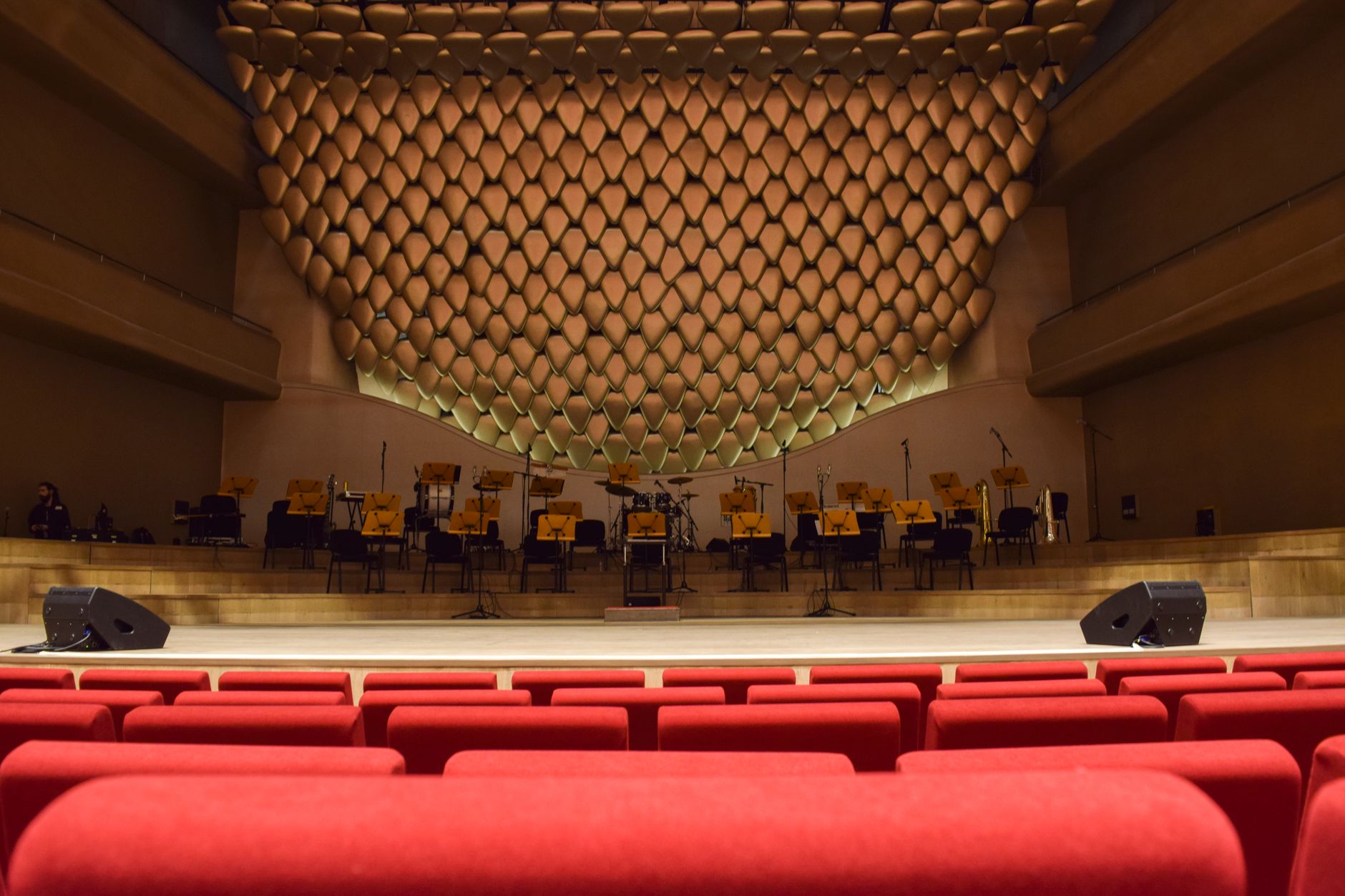
There’s a particular cruelty built into how live sound works for support acts that nobody in the industry seems especially bothered to fix. The headliner’s engineer has spent two hours dialling in the room. Every reflective surface has been accounted for. The subs are placed where the subs need to be. And then a support act — often younger, often with less touring experience, almost certainly with less leverage — walks out in front of a half-filled venue and tries to play music through a monitor mix that was assembled in twenty minutes by a house engineer who has already mentally moved on to the main event.
What makes this worse than just ‘unfair’ is that the room itself isn’t fixed. A venue at 40% capacity sounds categorically different from the same venue at full capacity. Bodies absorb mid-range frequencies. A room packed with people is acoustically a different space than an empty one, and a support act plays to the latter while being judged as though it were the former. The bass blooms differently. The vocals sit further back in the mix. A band that sounds punchy and present in a full room can sound soupy and indistinct when they’re playing to four hundred people in a space meant for twelve hundred, with no time to compensate.
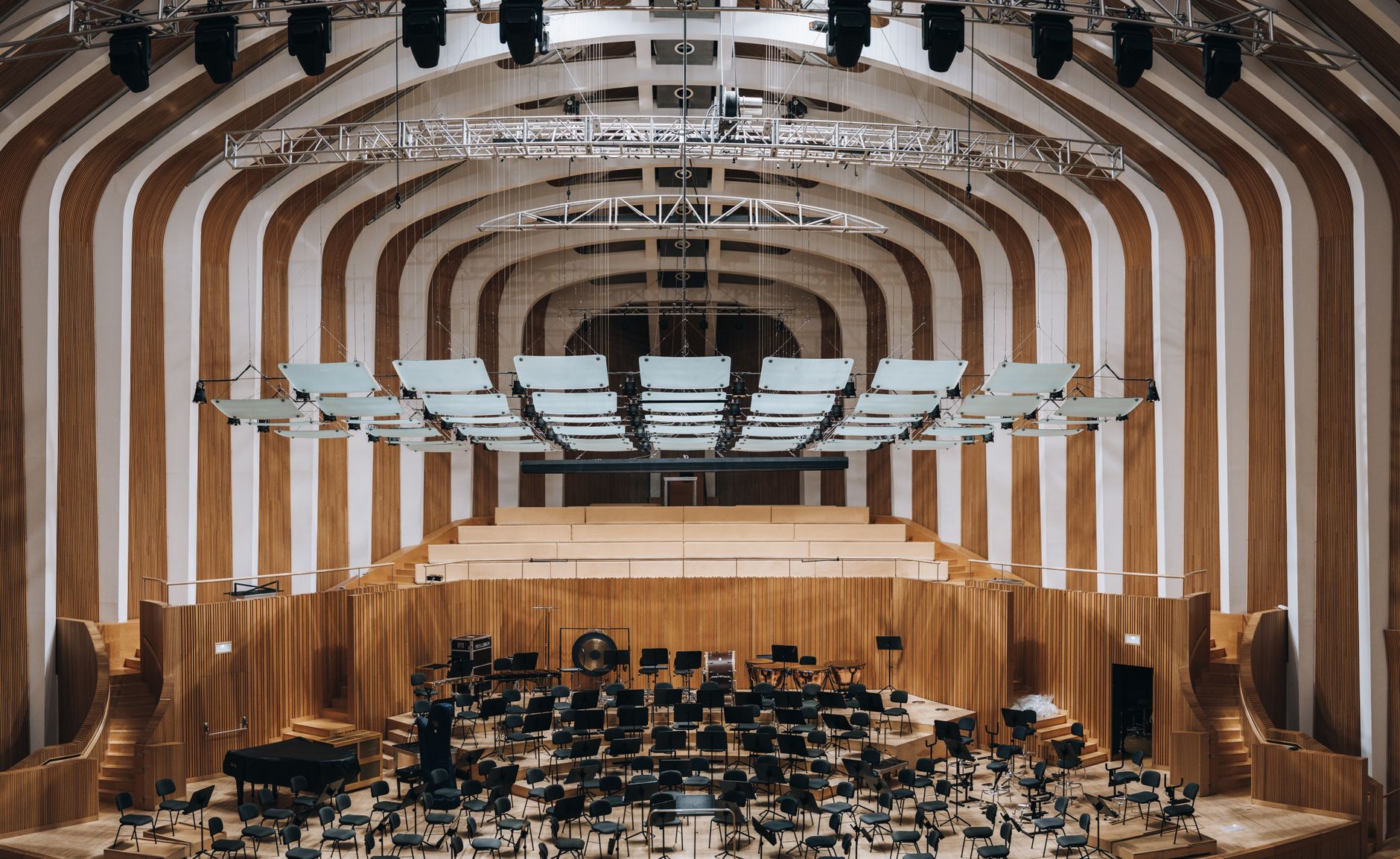
None of this is secret knowledge. Engineers know it. Tour managers know it. Booking agents know it. The conversation just never seems to go anywhere, because the economics push in the opposite direction — load-in times are compressed, stage changeovers are tightened, and the headliner’s comfort is treated as the only real variable worth protecting.
The support acts who handle this best tend to be ones who’ve learned to work with a bad mix rather than against it. Strip the arrangement back. Don’t trust the monitors. Play to the room’s actual size, not its capacity. These are skills that nobody teaches you formally — you accumulate them through a series of shows that felt slightly wrong and you eventually figure out why.
What stays with me is this: the support act’s set is often the one that needed more care, not less. They’re building an audience from nothing, in a room that hasn’t warmed up, with a sound that nobody has properly tuned for them. That it occasionally works at all is less a credit to the system and more a credit to the stubbornness of the people playing through it.