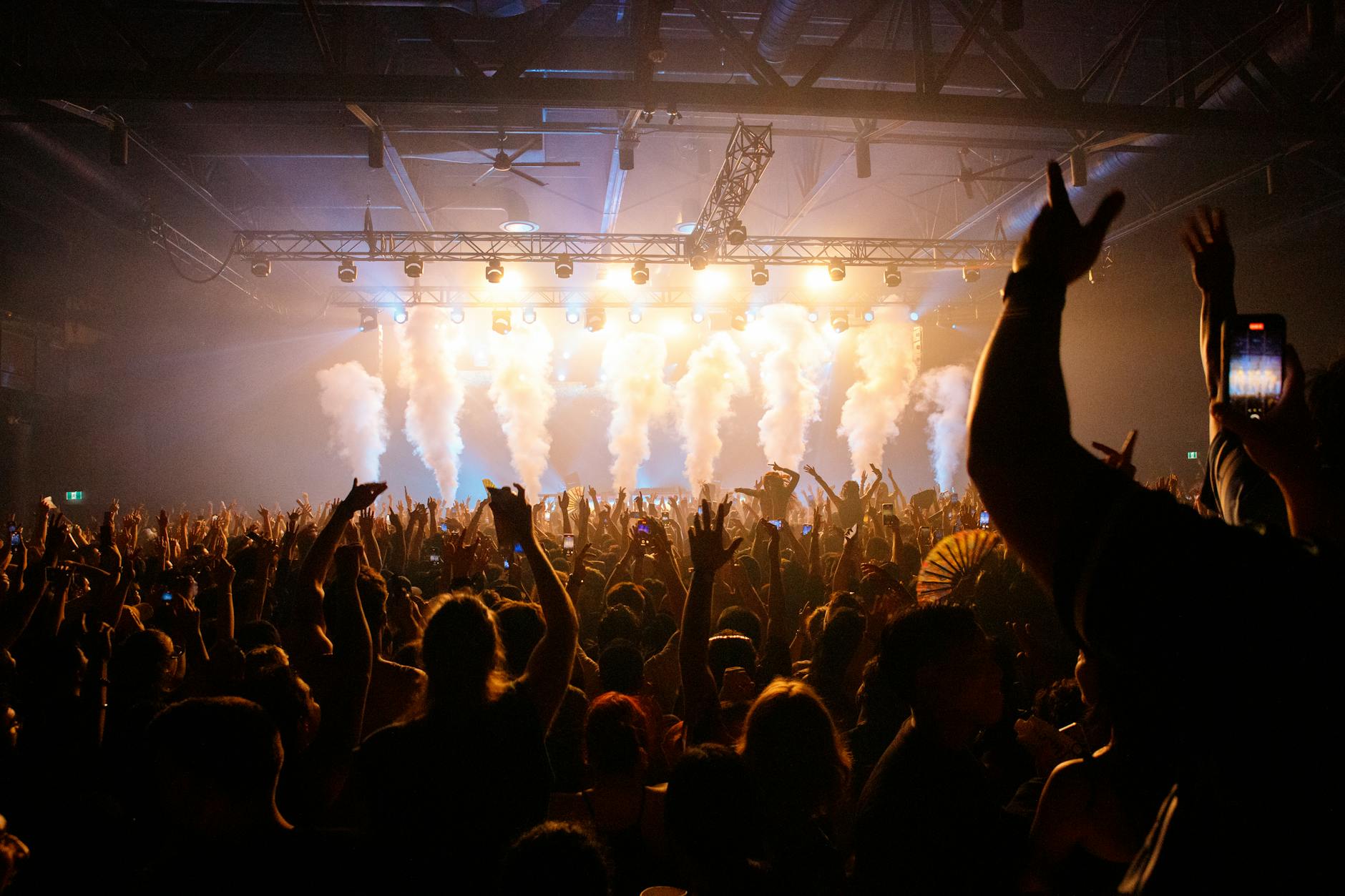
There’s a specific type of person who walks into a mid-sized venue, clocks the distance between the stage and the back wall, and heads straight for it. Not because they arrived late. Not because the floor is already packed. Because the back is where they want to be.
This gets misread constantly. Standing at the back reads, to the uninitiated, as disengagement — as showing up for something you’re not fully committed to. But the back of a 600-capacity room is often the only place where the front-of-house mix actually lands as intended. The sound system is pointed at you. The low end has had enough air to settle. The vocals sit in the mids without washing out. Up front, near the wedges and the kick drum bleed, you’re inside the machine. At the back, you’re hearing the machine.
There’s also the matter of perspective. Standing twenty metres from the stage means you can take in the full picture — the lighting rig doing its work, the way a band fills or doesn’t fill a stage, the sightlines between musicians that tell you whether they’re actually listening to each other. At the barrier, you see one person’s hands and the back of someone else’s head.
What the back of the room actually collects
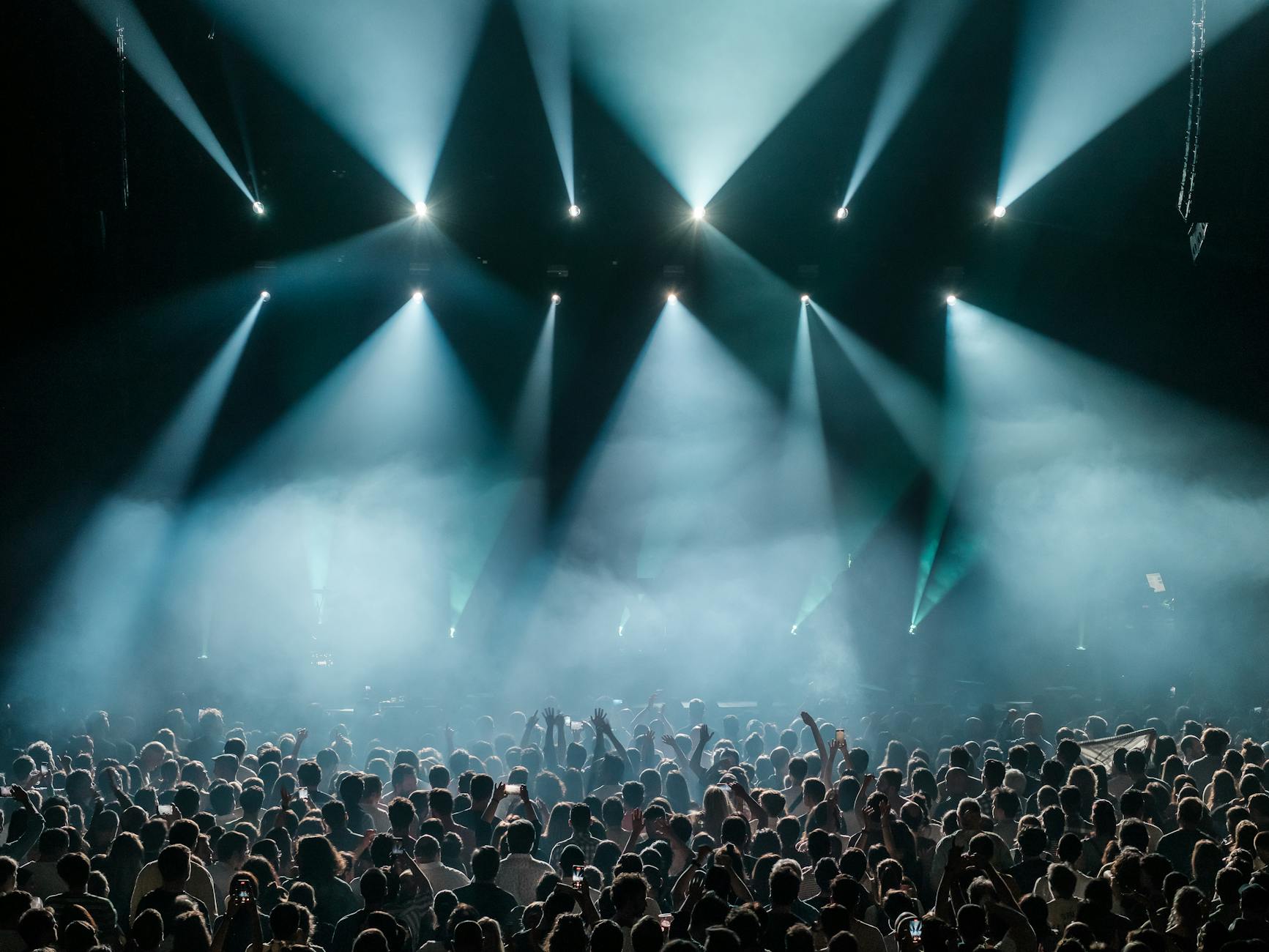
Every venue has a corner near the back — usually to the side of the sound desk — where the people who’ve seen this band before tend to gather. Not the hardcore loyalists who’ve been front-row since the support act, but the second-wave fans who’ve moved past needing physical proximity as proof of something. They talk between songs. They leave space for each other to watch without performing the act of watching.
This is a more honest relationship with live music than the one being acted out thirty feet closer to the stage.
The sightline nobody mentions
From the back, you can see the audience. That’s not nothing. Watching five hundred people respond to the same moment — the drop, the key change, the song they all know — is its own distinct experience, separate from being one of those five hundred.
Some shows are worth attending just for that view.