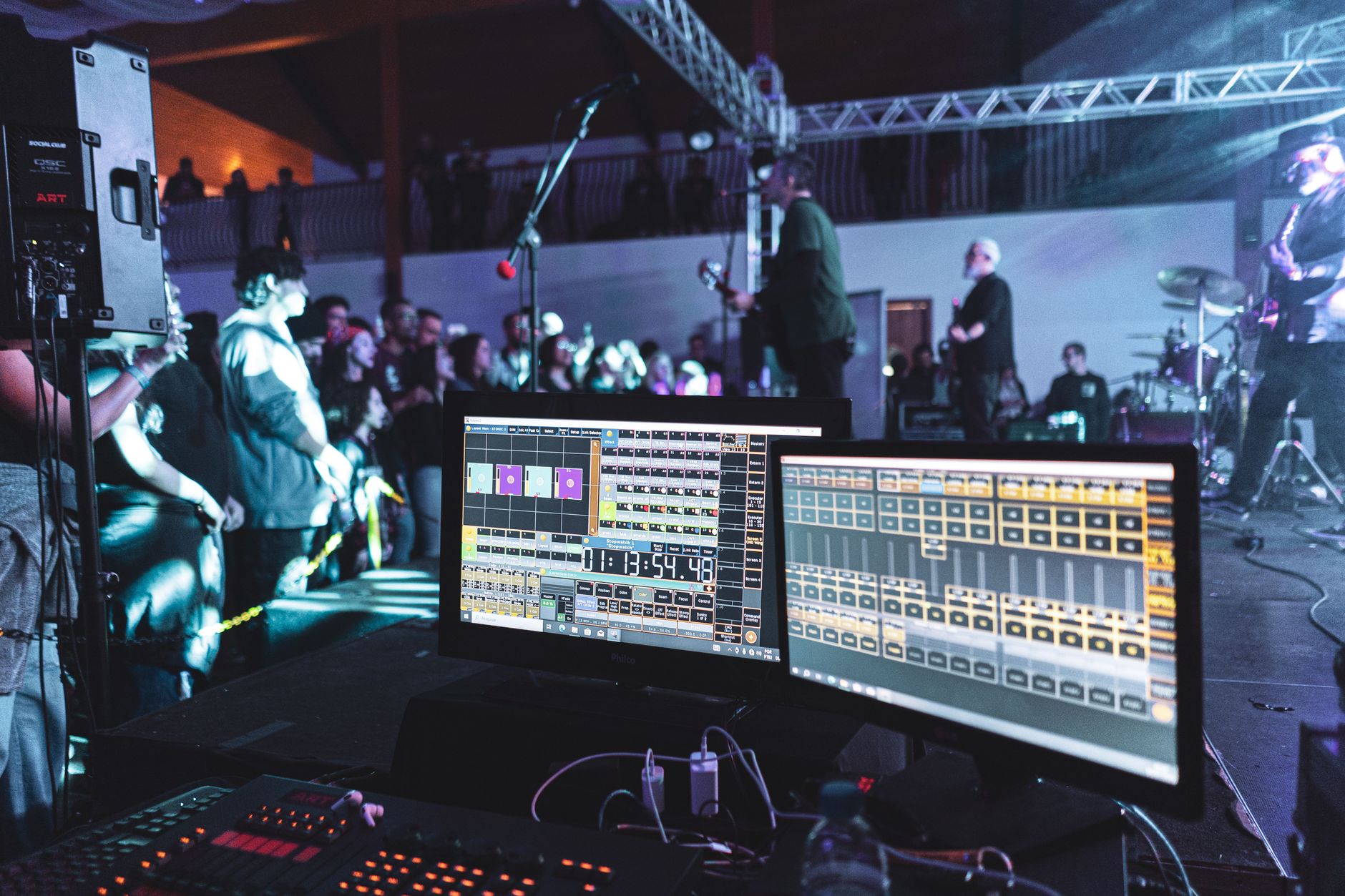
There used to be a small ceremony at the end of a show. Someone near the barrier would reach over, peel a strip of gaffer-taped paper off the stage floor, and walk away with a song-by-song record of what just happened. The setlist. A scruffy artifact that cost nothing to produce and meant everything to the person holding it.
That object is mostly gone now. Not because bands stopped planning their shows — they still do, obsessively — but because the setlist lives on a tablet or a laptop in the wings, updated in real time, glanceable from a distance. It doesn’t need to be taped to anything. It doesn’t need to exist physically at all.
What the Paper Actually Did
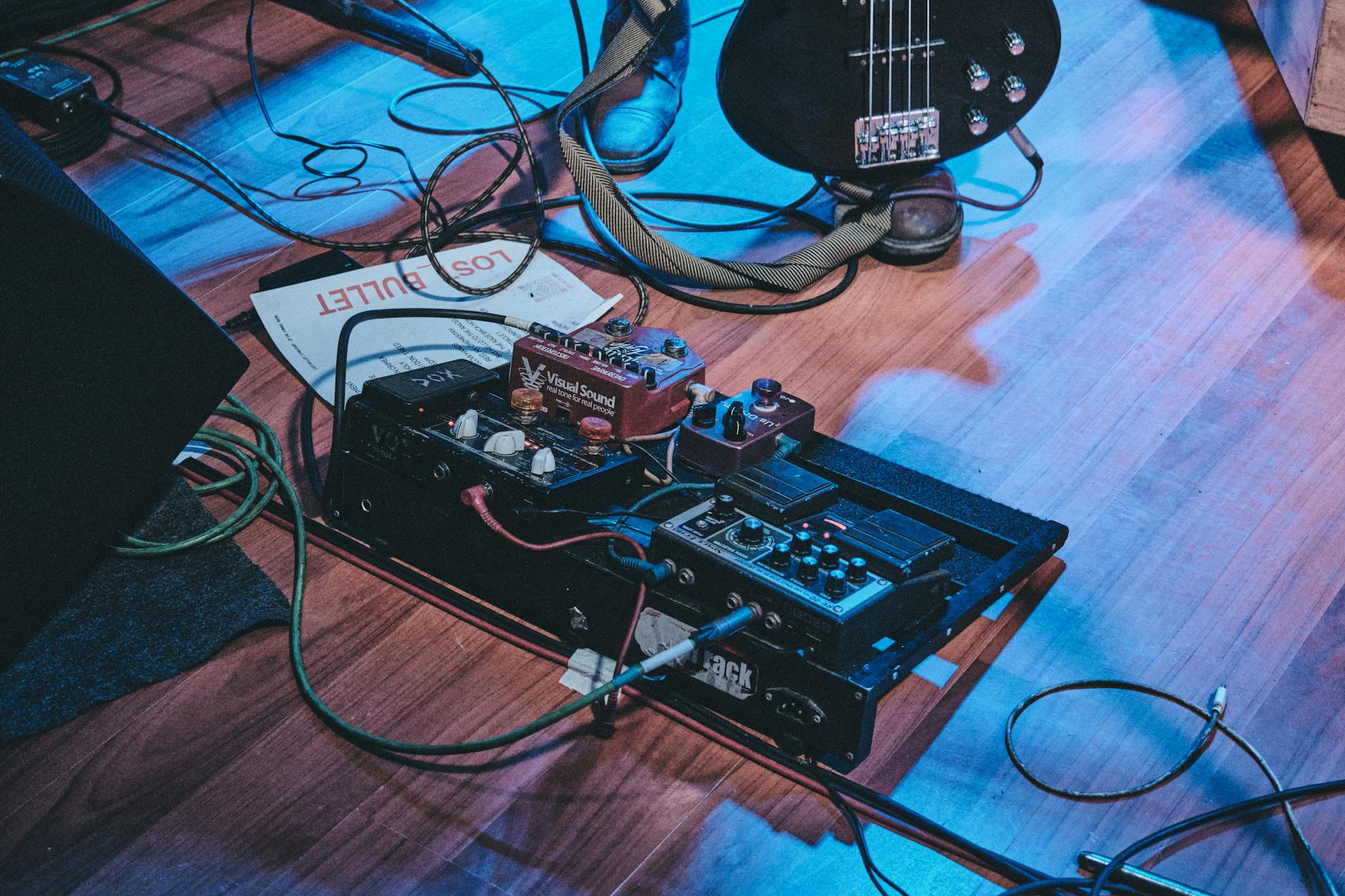
The physical setlist wasn’t just a cue sheet. It was evidence. For the person who caught one, it confirmed the sequence of the night in a form that couldn’t be argued with — not a memory, not a blurry phone video, but a document. The handwriting (or font, or rushed sharpie scrawl) told you something about how seriously the band took the show. Tour dates written in the margins told you where else they’d been. Crossed-out songs told you what almost happened.
Fans who caught them didn’t just keep them — they framed them, photographed them for forums, traded information from them. Sites like setlist.fm exist partly because of the data that used to live on those strips of paper. The crowd-sourced archive filled in where the object disappeared.
The Shift Nobody Announced
This didn’t happen because of any single decision. Tablet-based stage monitors became standard gradually across the 2010s, and the setlist migrated with them. It was a practical upgrade with an accidental casualty.
What replaced the physical setlist in fan culture is the screenshot — shared on socials before the last chord has faded, stripped of any physical trace, indistinguishable from every other show that night in every other city. The information survives. The specificity doesn’t.
One Thing Worth Sitting With
There’s a reasonable argument that the setlist-as-relic was always a niche interest, meaningful only to a certain kind of devoted fan. Maybe. But the question of what live music leaves behind — tangibly, in your hand — seems worth asking in a period when shows increasingly exist to be documented rather than experienced.
What gets kept from a concert in 2025 is almost entirely digital. Whether that changes what the show means to the people who were there — that’s less settled than it might seem.