
Producers reach for reverb the way a nervous speaker reaches for filler words. It buys time. It softens the edges of something that hasn’t quite been figured out yet. A vocal that doesn’t sit in the mix gets drenched in room reverb until it sounds like it belongs somewhere — a cathedral, a cave, a very tasteful bathroom — even if “somewhere” is doing all the work that the arrangement should be doing.
This is not a complaint about reverb itself. Reverb used with intention is one of the most powerful tools in recorded music. The cavernous plate on John Bonham’s snare in ‘When the Levee Breaks’ isn’t decoration — it’s the point. The song is physically large. The drum sound communicates that before a single lyric lands. Phil Spector’s Wall of Sound used reverb to manufacture a scale that small studios couldn’t otherwise achieve. These are arguments made in reverb, not retreats into it.
The problem is that somewhere in the 2010s, heavy reverb became a mood rather than a decision. Bedroom pop and lo-fi production aesthetics — both genuinely interesting at their origin — got flattened into a default setting. Wash everything. Make it hazy. The haziness started to signal emotion without requiring the song to earn it. A mediocre melody sounds more melancholic under three seconds of tail. That’s not craft; it’s costuming.
What Dry Recordings Actually Demand
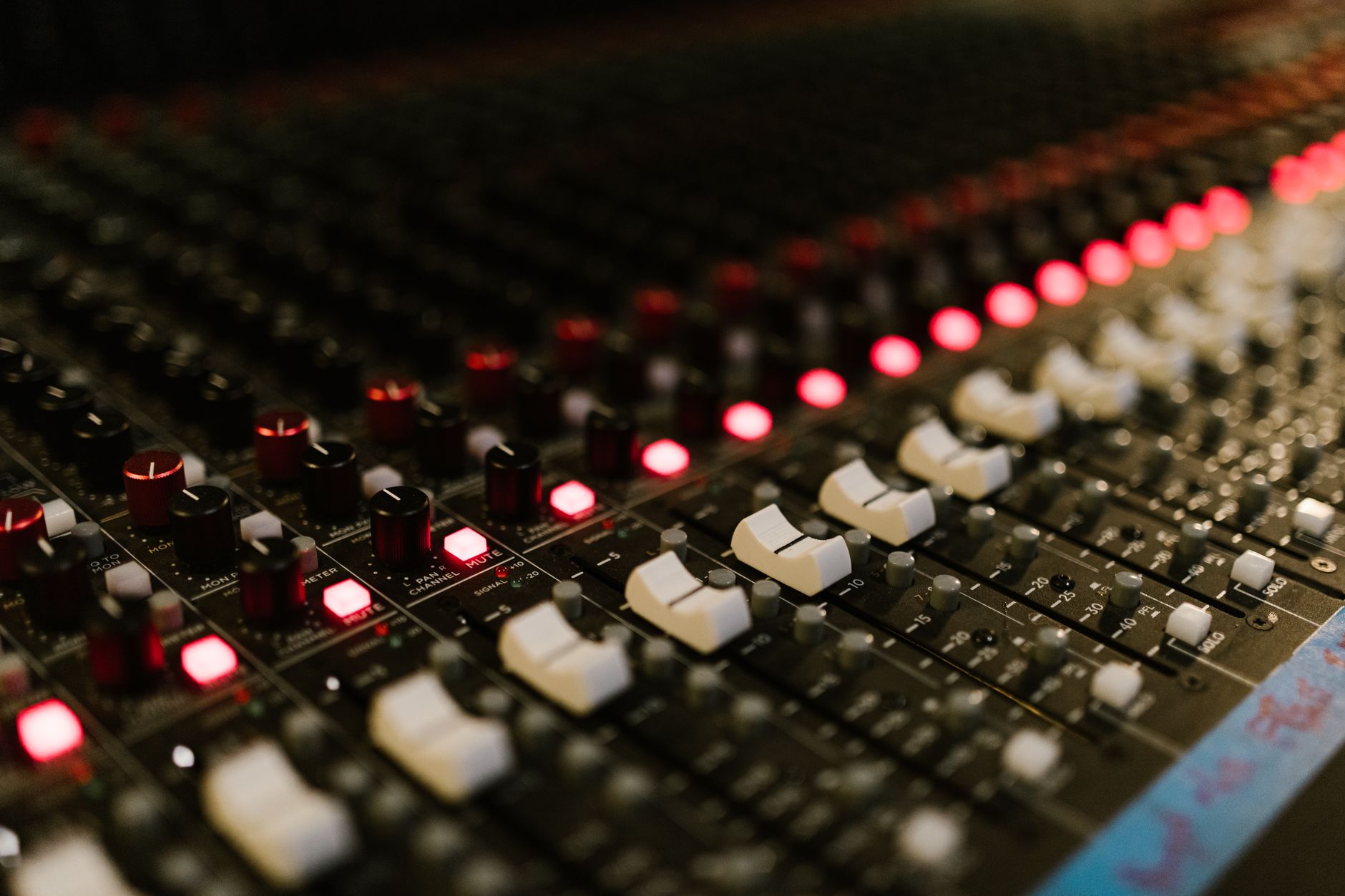
When a producer commits to a relatively dry mix, every element has to hold its own weight. The vocal performance can’t hide. The bass note either decays naturally and cleanly or it doesn’t. The snare crack lands in real space and stays there. Dry recording is unforgiving, which is exactly why it rewards the listener — there’s nothing between you and the actual playing.
Listen to a lot of classic Motown recordings and notice how present and close everything sounds. That proximity is not accidental. The arrangements were dense enough that they didn’t need artificial space to feel full.
The Tell
You can usually identify reverb-as-avoidance by removing it mentally and asking whether anything is left. If the answer is uncertain, the reverb wasn’t adding space — it was substituting for substance. Real atmosphere in a recording survives a dry listening. It’s built into the tempo, the note choices, the gaps between them.
Space in music is earned through restraint, not applied after the fact.