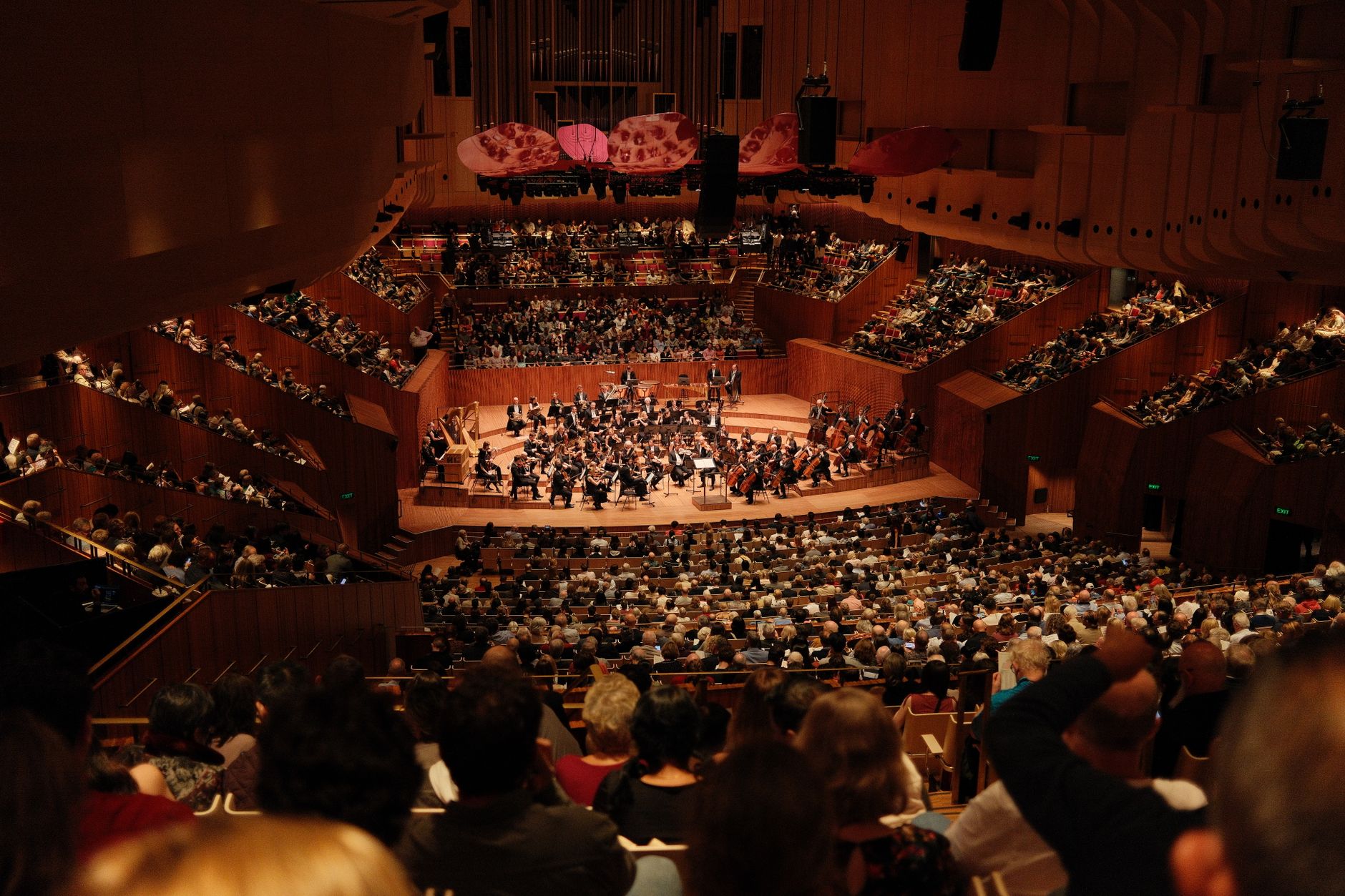
The rule is simple, unwritten, and enforced with the subtlety of a disapproving glare: you do not clap between movements. You sit. You wait. You demonstrate, through your silence, that you belong here.
Somebody in a new audience — someone who saved up for their ticket, who has never been to a symphony hall before — will get this wrong. They’ll hear the first movement of a Beethoven piano concerto end on something that sounds conclusive, feel the surge of genuine emotion, and applaud. And the room will make them feel like an idiot for it.
This is the thing classical music institutions keep dancing around. The no-clapping convention didn’t emerge from some organic, universal understanding of musical form. It hardened into orthodoxy during the early twentieth century, partly through the influence of conductors who wanted tighter control over the atmosphere of a performance — and partly because concert halls were increasingly populated by upper-middle-class audiences who used cultural fluency as a social signal. Knowing when not to clap was proof you’d been trained into the right circles.
The Composers Didn’t Ask for This
Mozart’s audiences clapped between movements. So did Beethoven’s. Accounts of early performances of the Eroica describe audiences responding enthusiastically mid-symphony. The idea that interrupting a multi-movement work with applause violates the composer’s intent doesn’t hold up historically. If anything, it inverts it — composers writing in the eighteenth and nineteenth centuries expected audiences to react, and sometimes wrote movements specifically to provoke that reaction.
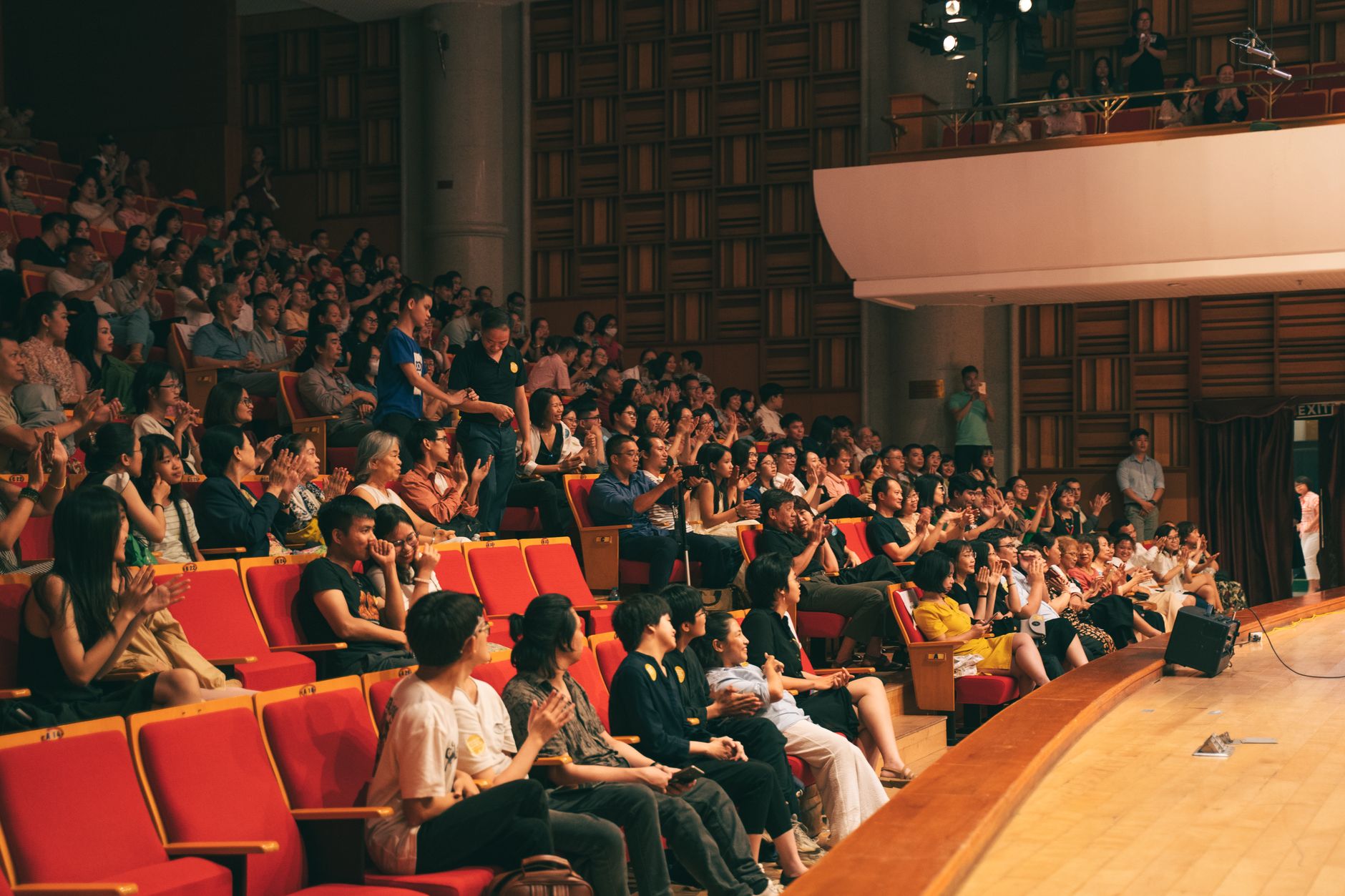
The silence rule was retrofitted onto repertoire that never required it.
What Gets Lost
The practical damage is this: new audiences don’t come back. Someone who feels publicly shamed for expressing genuine enthusiasm at a symphony concert learns a lesson — not about music, but about who that space is for. Classical institutions spend considerable money and effort on outreach programmes, educational initiatives, subsidised ticket schemes. Then they let social enforcement in the hall undo all of it in about four seconds.
Some orchestras — the Philadelphia Orchestra among them — have made deliberate moves to address this, relaxing the convention at certain concerts. But it tends to be framed as a concession to newcomers rather than a correction of a mistake. The subtext remains: the real audience knows better.
Clapping between movements isn’t a sign that someone doesn’t understand classical music. More often, it’s a sign that the music worked.