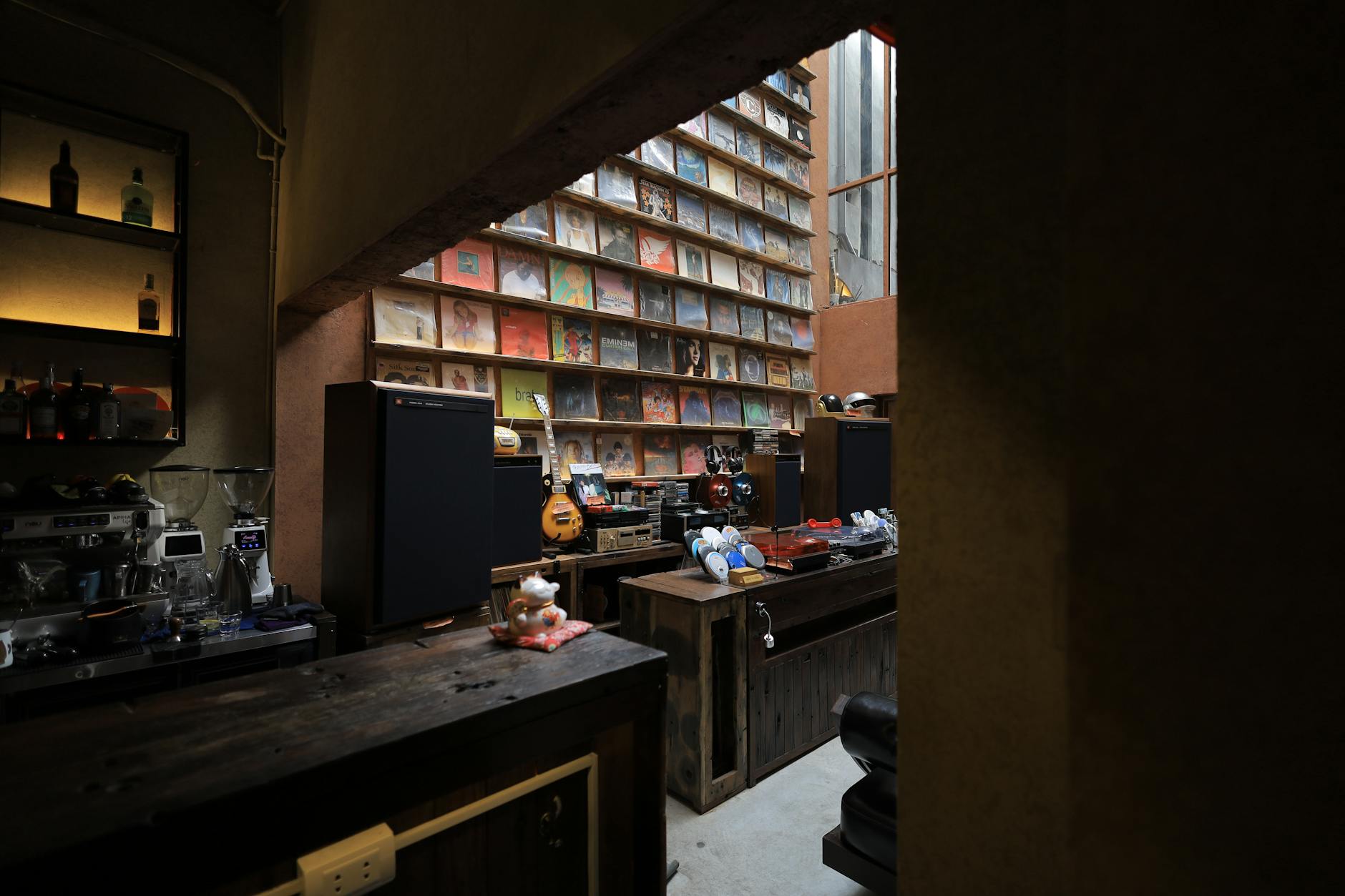
There’s a specific social contract operating inside a listening bar that most people don’t name when they describe why they liked the experience. You’re not there to talk over music. You’re not there to dance. You’re there to sit with strangers in deliberate, organised silence, pointed at a sound system, and treat the album playing as the event itself. That’s not a bar. That’s a living room that someone else built and made available to you.
Listening bars — venues where curated vinyl is played at volume on high-end speakers, conversation is kept to a murmur, and requests are generally not welcomed — have spread steadily across cities like London, Tokyo, Melbourne, and New York over the past several years. Tokyo’s jazz kissa tradition is the obvious ancestor: small, dark rooms where the owner selects records and the audience submits to their taste without protest. The format was always there. What’s changed is who’s walking through the door.
The customers arriving now aren’t audiophiles who own turntables and argue about cartridge tracking force online. Many of them have never owned a record player. They’ve arrived because streaming has made music constant and therefore optional — something that plays while something else happens. The listening bar offers the inverse: a room where the music is the only thing happening, and you’ve paid to go somewhere that enforces that.
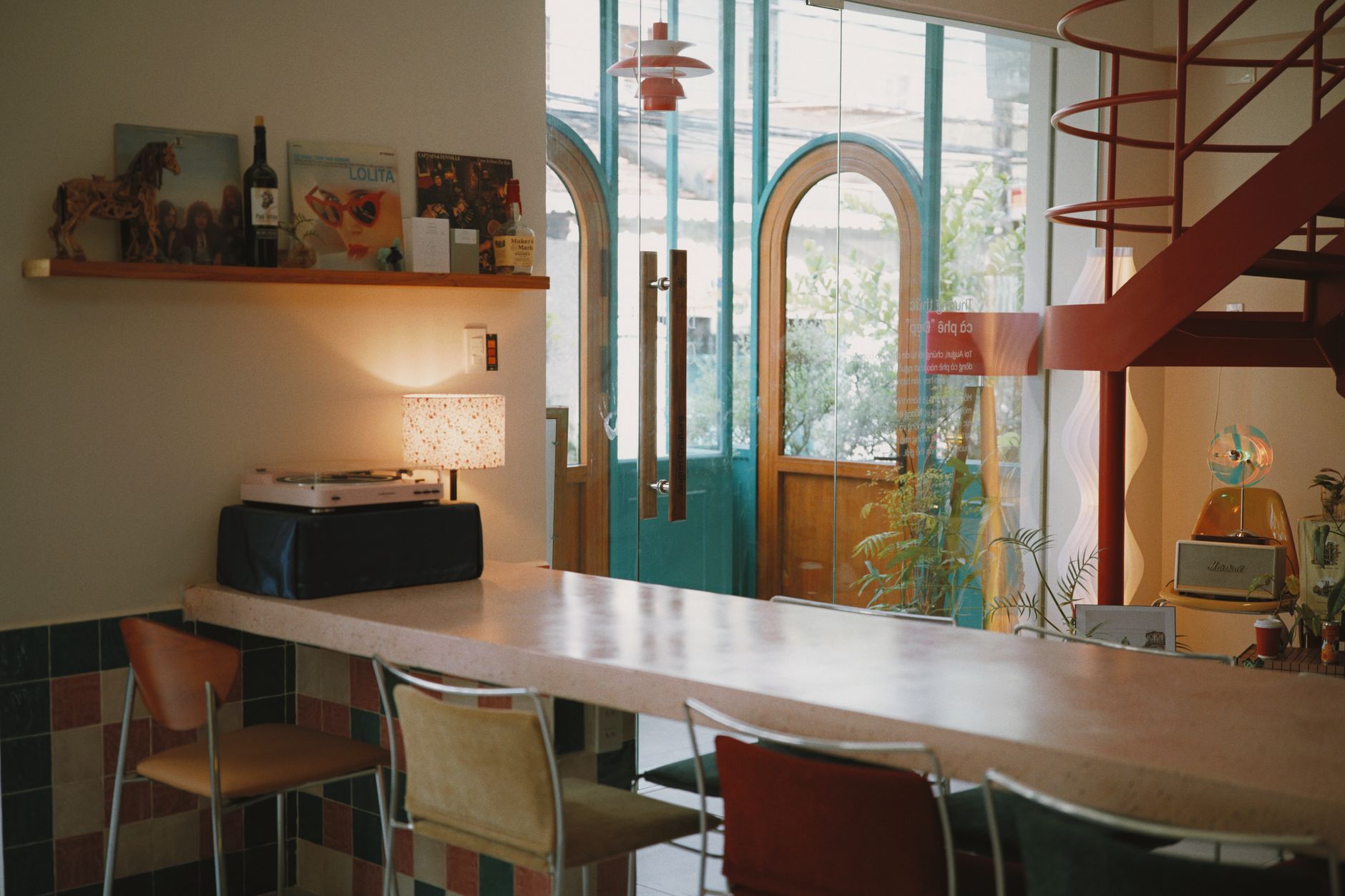
That’s the shift worth watching. It’s less about vinyl fetishism and more about outsourcing the conditions that most people can no longer manufacture at home. A flat shared with two other people, a phone on the table, a show queued up — the listening bar solves a domestic problem. Someone else provides the room, the speakers, the curation, the social agreement that this is what we’re doing right now.
What gets lost in that trade
When you rent someone else’s listening room, you also take on their taste. The jazz kissa owner who plays Coltrane’s A Love Supreme at volume and won’t be told otherwise has a perspective — and that perspective is part of the experience. But the London wine bar running vinyl nights as an aesthetic backdrop is doing something slightly different. The ritual is present; the conviction behind it is shakier.
Whether that dilution matters probably depends on why you showed up in the first place — and that’s not a question listening bars are asking.