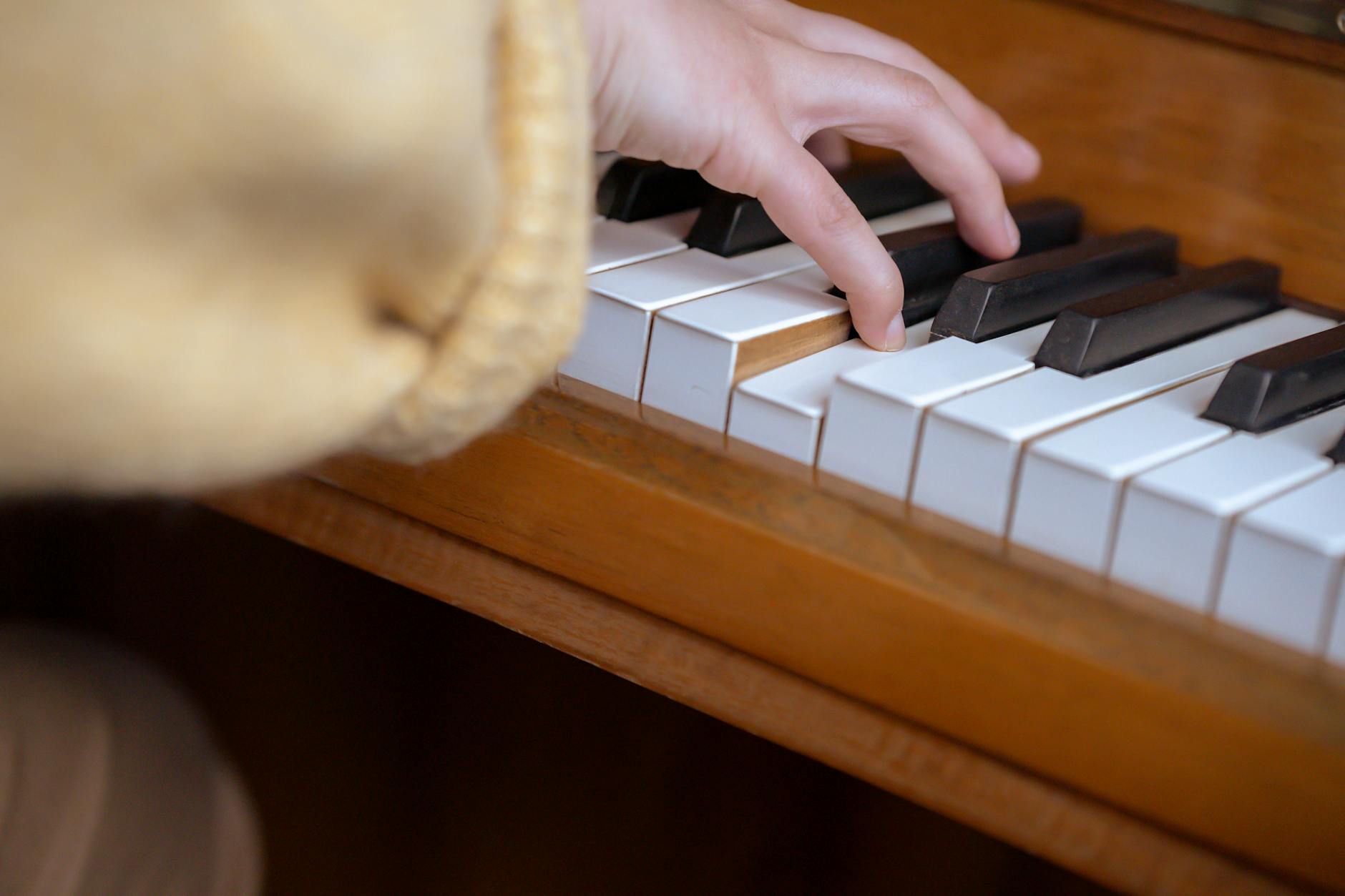
Music lessons are a quintessential part of childhood. As a parent, you may have a child who has expressed interest in playing the piano. This interest may leave you wondering if your child is truly ready for piano lessons. After all, you don’t want to invest in one-on-one lessons if they aren’t going to get much benefit from it. Here are some things to think about when trying to decide if piano lessons are right for your child.
Motor Skills
In order for your child to be able to physically play the piano, certain motor skills are important. They will need enough strength in their fingers to be able to strike the keys properly. Remember that playing piano keys isn’t as simple as just pressing the key — they must be pressed properly with the length of the finger for lessons to progress well. You can help your child develop the proper finger strength by encouraging the regular use of a stress ball.
Additionally, your child should be physically capable of sitting at the piano with their arms extended to the keys throughout a 20-minute or half-hour lesson. Kids who can’t physically sustain this will struggle to retain the information they need from the lessons. Core strength exercises, such as with an exercise ball, can help your child with this.
Education
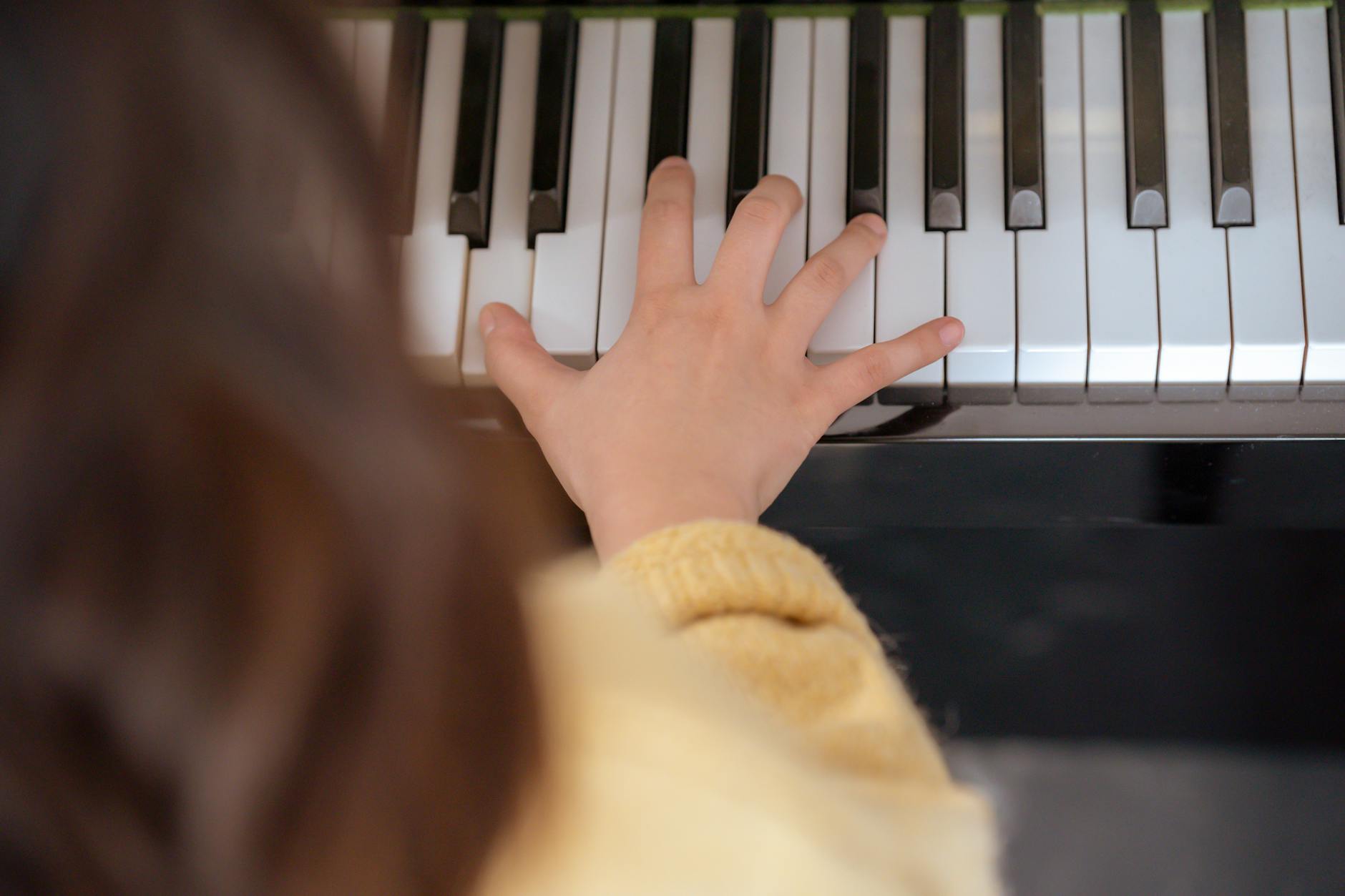
Piano lessons require a certain amount of educational readiness as well. Your child should know their right hand from their left without having to stop and think about it. Certain notes are played with specific hands, so this recognition is essential for making progress.
Additionally, your child needs to be able to count to ten. Counting beats is an important part of learning to play the piano. Along with counting, alphabet recognition and basic reading skills will make learning the piano far easier.
Emotion
Physical and intellectual capabilities aren’t all that’s required for your child to succeed with piano lessons. They will also need to have reached some emotional maturity. For example, your child should be able to calmly sit and listen to the instructor throughout the duration of a lesson. For kids who are more active or restless, this can be difficult.
Your child should also be emotionally capable of taking direction and accepting critique. This is easier for some children than others. Any consistent resistance to feedback can make the lessons a challenge. When all three of these areas are developing well, the stage is set for a positive first experience with the instrument.