
The obituary for the guitar solo gets rewritten every decade or so. Hair metal killed it with excess, grunge buried it with contempt, and streaming supposedly finished the job by rewarding songs that hit hard in the first fifteen seconds and never look back. And yet the guitar solo is not gone. It just isn’t where the people writing those obituaries tend to look.
Spend time with contemporary Afrobeats production and you’ll find guitar lines doing things that most Western rock guitarists stopped attempting around 1978 — melodic, conversational, rhythmically unpredictable. In certain corners of Nashville’s underground country scene, players are still trading extended leads that owe more to jazz phrasing than to pentatonic muscle memory. Post-punk revivalists in Glasgow and Leeds are using the solo not as a showcase but as a structural device, a way of breaking a song’s tension before the final chorus lands. The technique didn’t disappear. It relocated.
What actually died was the solo as spectacle. The moment where the rhythm section drops away and the guitarist steps forward to demonstrate that they have practised more than you. That version of the solo was always less about music than about hierarchy — a reminder of who the real talent was. When that social contract stopped feeling exciting, the format took the blame for the context.
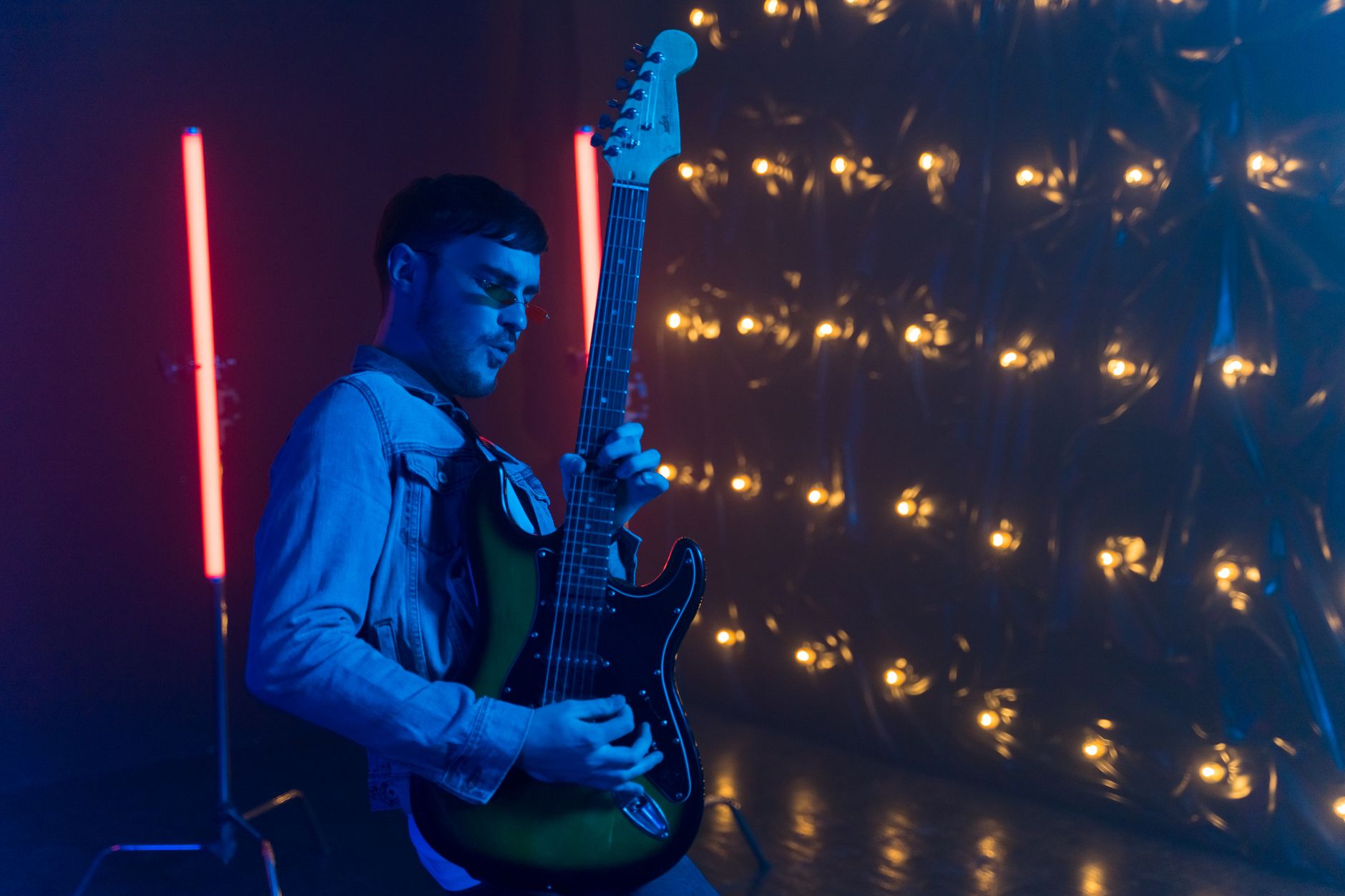
The Problem With Nostalgia for the Solo
Most arguments for bringing back the guitar solo are really arguments for bringing back a particular kind of rock stardom, and those two things are not the same. The players who still do this well — and there are plenty — are not trying to resurrect something. They’re using extended improvisation because the song needs it, not because the spotlight does.
There’s a useful distinction between a solo that earns its place and a solo that announces itself. The latter is what streaming audiences correctly tuned out. A four-bar lead buried in the middle eight of an otherwise tight song, played because it’s the only way to resolve the emotional argument the verse set up — that’s not a relic. That’s just good arrangement.
The people mourning the guitar solo are usually mourning the wrong thing. The technique is fine. It’s the ego staging that aged badly, and the two were never as inseparable as the obituaries assumed.