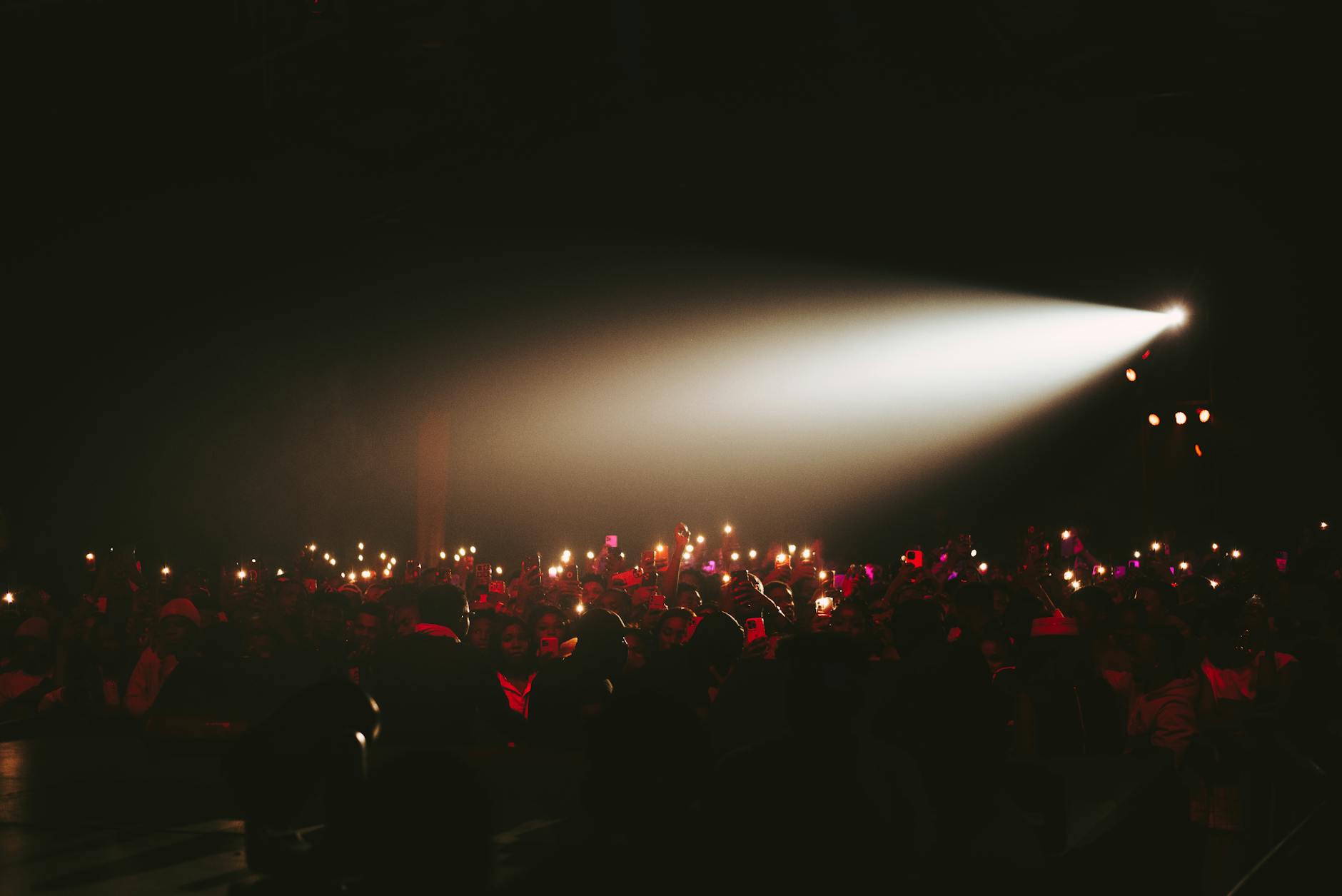
The encore used to be an accusation. The crowd refusing to let the band leave — that was the point. Something had happened in the room, something unresolved, and the audience was demanding the band account for it. Even when it became theatrical, even when every touring act in the 1980s and 90s was walking offstage with full knowledge they’d be back in four minutes, there was at least a shared pretence. You clapped hard enough, you got more.
That pretence has almost completely collapsed. At most mid-sized and arena shows now, the encore is printed in the programme. It’s listed on setlist.fm before the doors open. The lighting rig resets visibly while the crowd applauds. The band isn’t deciding anything. They’re waiting in a corridor for a pre-agreed amount of time.
What Changed
The shift isn’t cynicism from the artists — or not only that. It’s partly insurance. Once audiences started arriving with full setlists on their phones, the fiction became harder to maintain. You can’t pretend to be coaxed back when everyone already knows the encore opens with the second-biggest hit and closes with the biggest. The pretence became embarrassing before it became pointless.
But something real went with it. The encore was one of the few moments in a ticketed show where the audience had nominal agency — where their collective behaviour appeared to influence what happened next. That’s gone. The clapping now is more like a scheduled handshake than a demand.
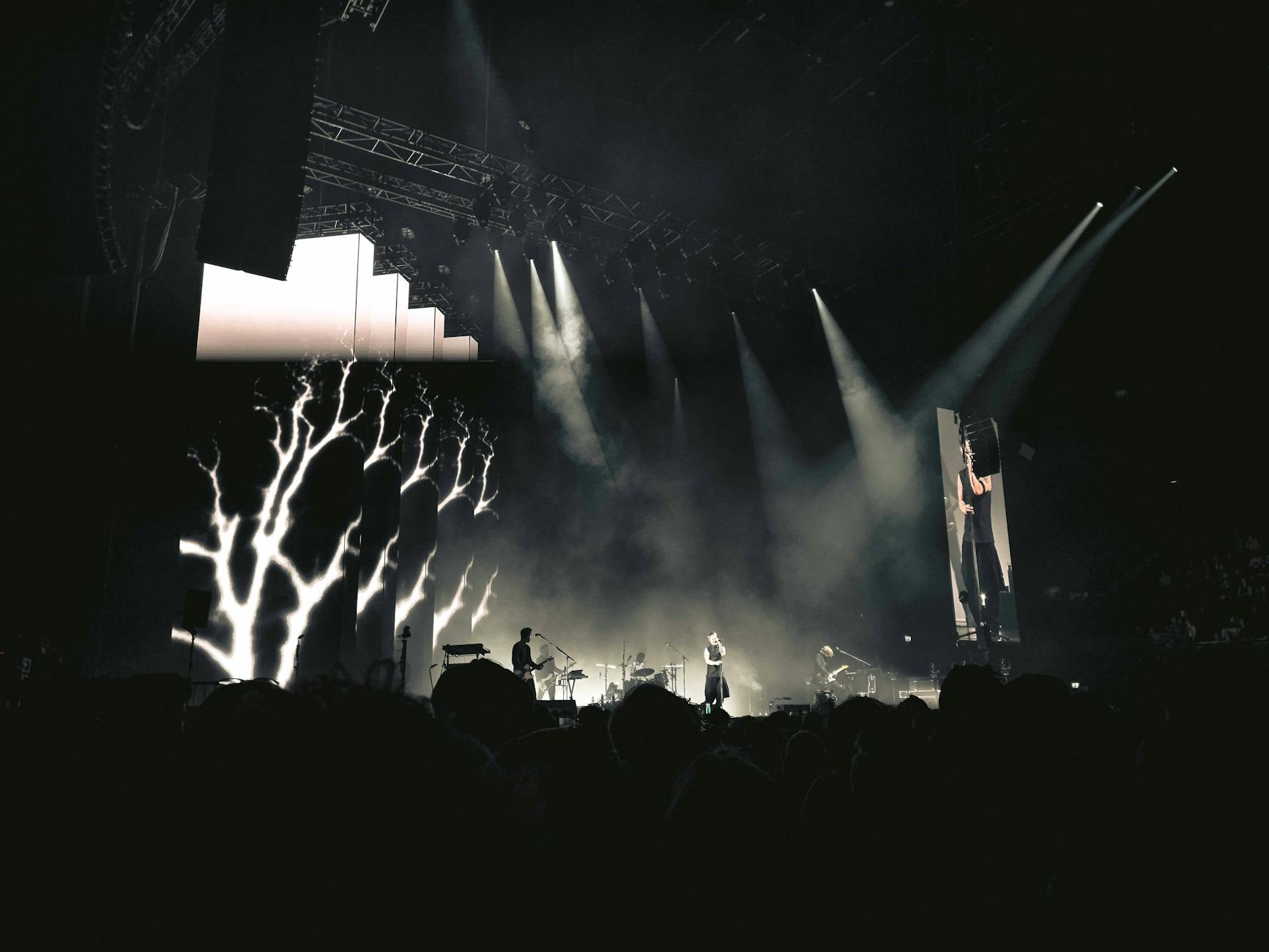
The Short End of This
Some artists have dropped encores entirely — playing straight through and ending on their own terms. It’s more honest. It’s also lonelier.
What It Reveals
There’s a broader habit buried here: live music increasingly presenting the shape of spontaneity while engineering out the actual risk. The encore is just the most visible example. Banter is rehearsed. Dedications are repeated city to city. Even the moment where the guitarist pretends to forget the next song and the crowd shouts it out — that gets repeated verbatim at the next night’s show.
None of this makes the music worse. A great song performed precisely is still a great song. But the encore’s slow conversion from gesture into schedule is worth sitting with — because it suggests that what audiences are actually being sold now is the feeling of a shared moment, not the moment itself.