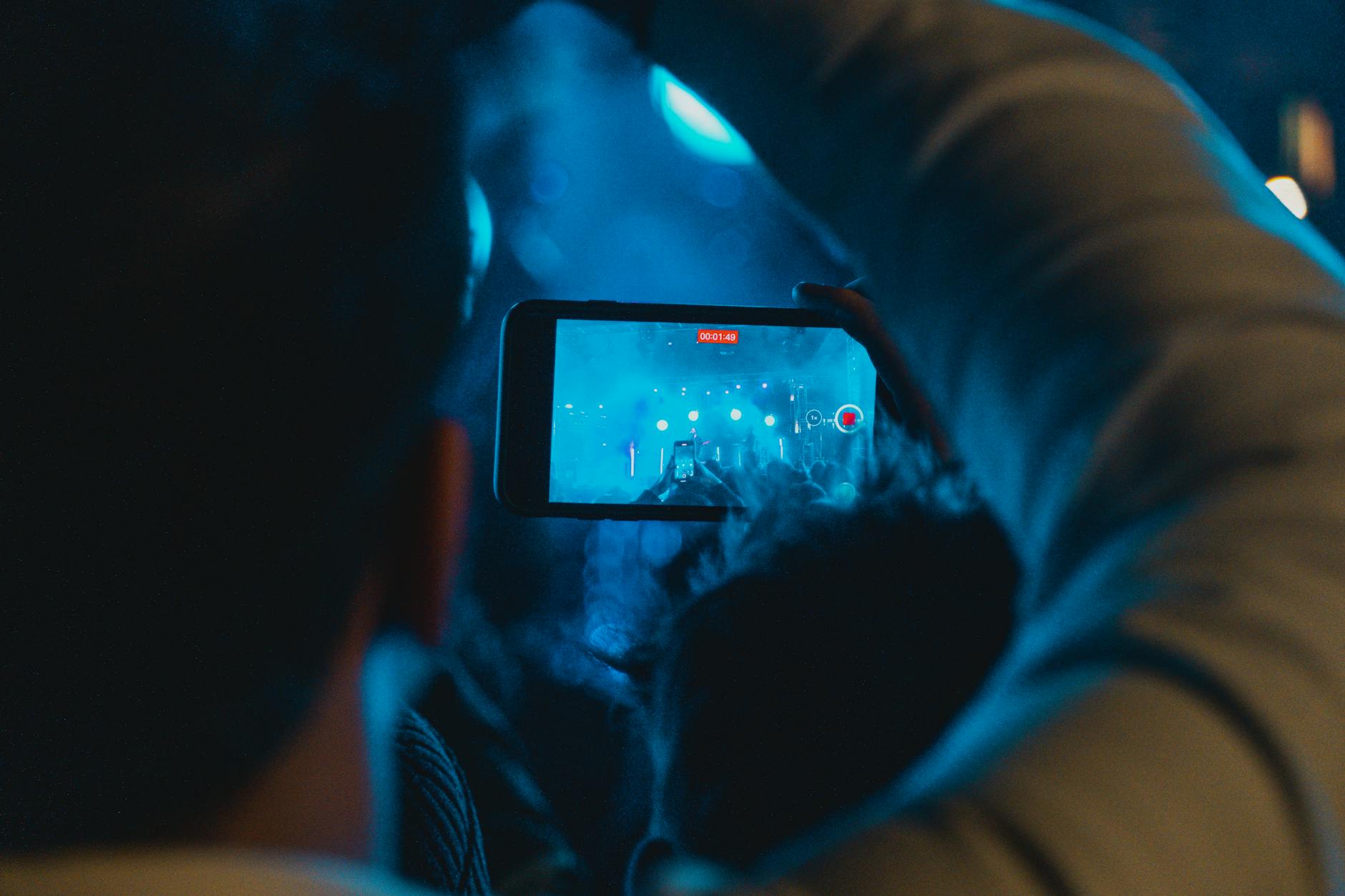
The loudest moment at a recent arena show wasn’t the drop of the chorus or the encore — it was the collective rustle of phones being raised when the lights changed colour. A sea of rectangles, each one glowing, each one pointed at the stage. The artist was performing to the room, but the room was performing for the feed.
This isn’t a complaint about technology. It’s an observation about a specific shift in the social contract of live music. For most of the twentieth century, a concert crowd was a single organism — responsive, unpredictable, occasionally terrifying. The energy moved in both directions. Springsteen fed off it. James Brown weaponised it. That reciprocal electricity was the whole point of being in the room rather than listening at home.
What the phone-as-documentation habit has introduced is a kind of audience self-consciousness that short-circuits that loop. When you’re framing a shot, you’re watching the show through a frame. You’re slightly outside it. Multiply that by half the arena and the collective energy shifts from participation to spectatorship — which is exactly what a concert was never supposed to be.
The Interesting Part Is Why
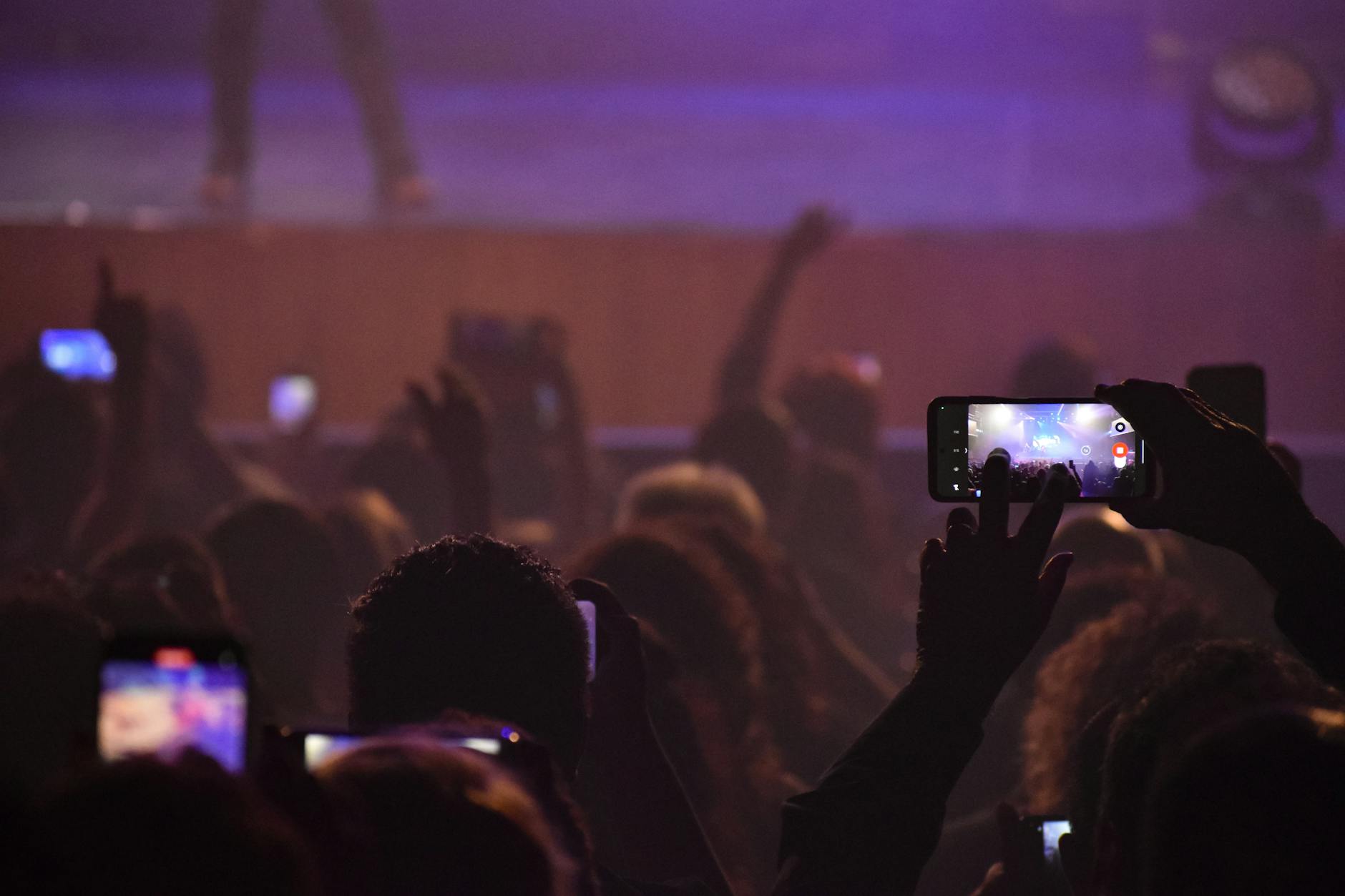
The easy read is narcissism: everyone wants to prove they were there. But I think it’s closer to anxiety. Streaming has made music so available and so disposable that a live show is now one of the few experiences that genuinely can’t be replicated later. The impulse to record it is, paradoxically, a response to caring about it — a clumsy attempt to hold onto something that will be gone in two hours.
The tragedy is that the recording guarantees you weren’t fully there.
What’s Actually Being Lost
Smaller venues still have it — the reciprocal energy, the mess, the sense that anything could go sideways. A 200-cap club on a Tuesday, an act two albums deep into a cult following, no one holding up a phone because it would look absurd in a room that small. The experience is categorically different, and not just because of scale.
Arena-sized crowds have lost something that can’t be restored by better sound design or pyrotechnics. The show has become a content occasion. And once an experience gets reframed as content, the crowd stops being part of it and starts being an audience for it — which means the last genuinely communal thing about live music is quietly disappearing.