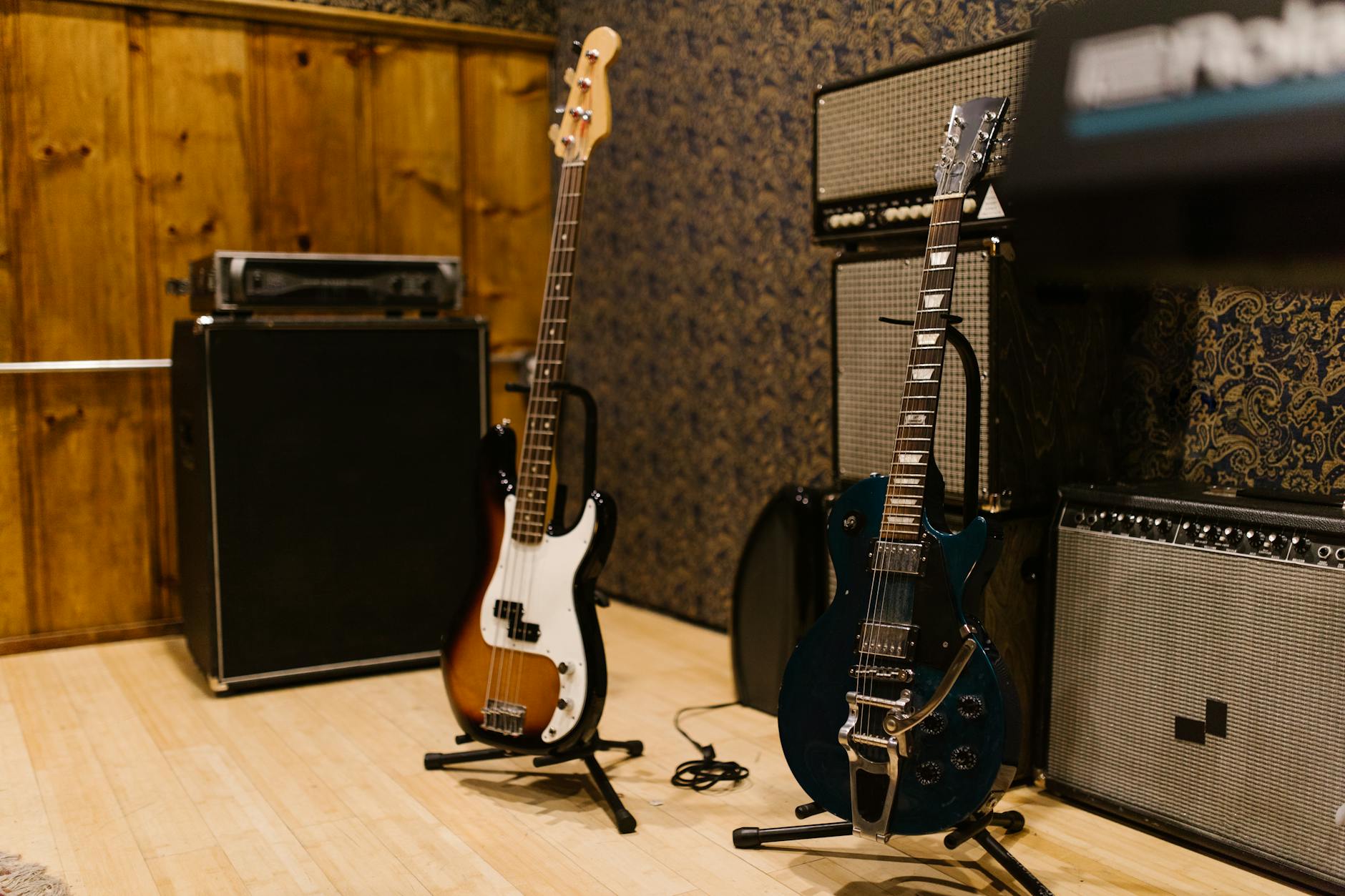
There’s a particular crime committed on most self-produced records, and it happens in the low end. The bass guitar gets scooped, softened, or pushed so far behind the kick drum that it essentially disappears. The producer probably thought it sounded “clean.” What it actually sounds like is a song standing on one leg.
Bass is the structural element that connects rhythm to harmony. A chord played by a guitar means one thing; the same chord with a root note anchored underneath it means something else entirely — it resolves, it grounds, it commits. When the bass is mixed low, the listener feels vaguely unsettled without knowing why. The track sounds like it’s floating slightly off the floor.
The Myth of the Tasteful Low End
Somewhere along the way, “tasteful” became code for “inaudible.” This is especially bad in indie rock and bedroom pop, where the aesthetic preference for lo-fi warmth often gets confused with thinning out the low frequencies altogether. Listen to a Pixies record — Doolittle, specifically — and notice how Kim Deal’s bass sits right in the centre of the sound. It isn’t showy. But pull it out of the mix mentally and the songs collapse.
The same is true in funk and soul, where the bass guitar isn’t just present but argumentative. James Jamerson’s playing on Motown recordings didn’t defer to anything. It moved independently, almost like a second melody. That approach requires the bass to actually be heard.
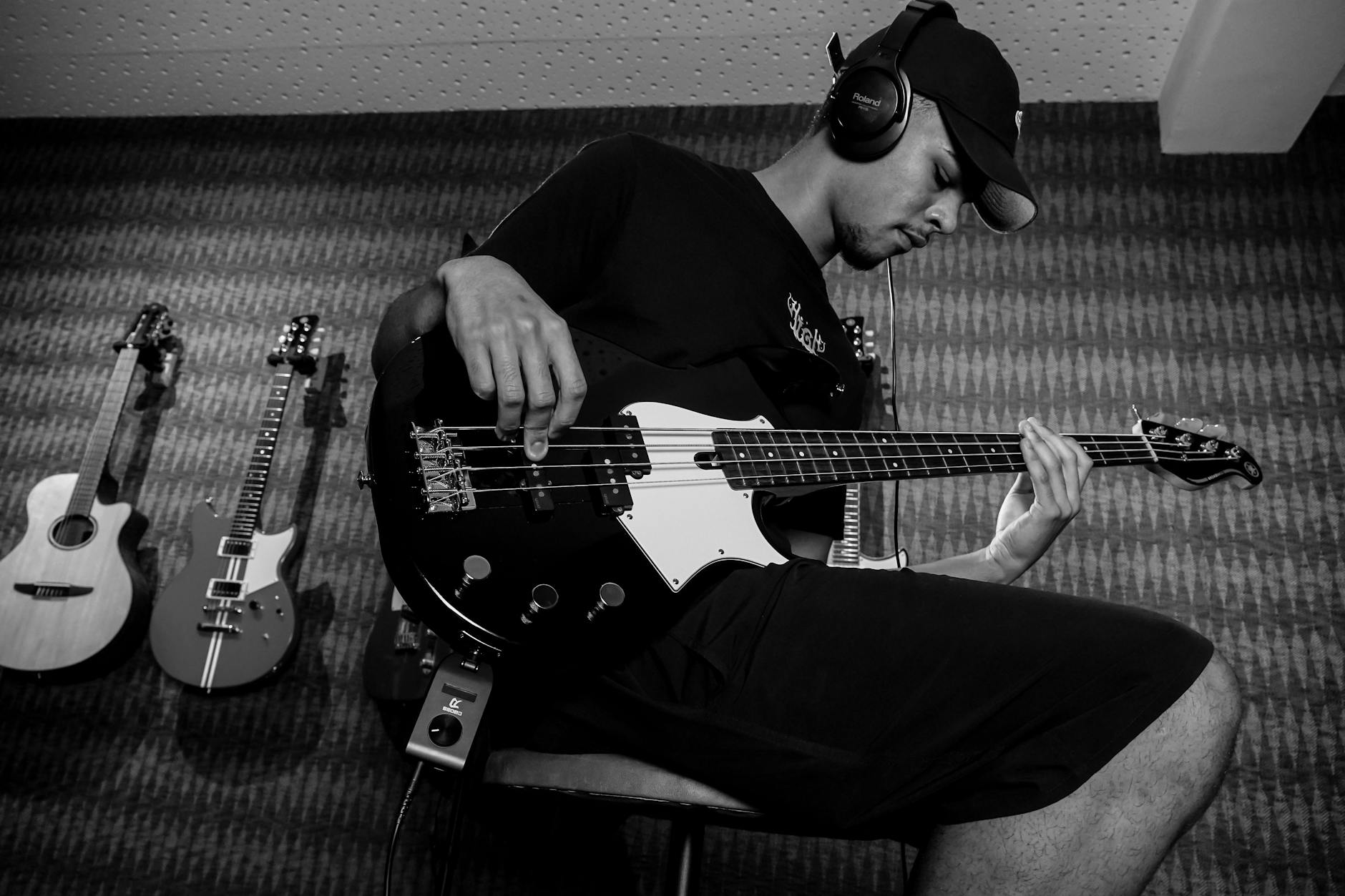
What Gets Lost
When bass drops out of audibility, you lose the instrument’s ability to tell you where the chord is going before the harmony resolves. You also lose the physical sensation — the thing that makes music feel like it exists in a room rather than a speaker.
This matters more than people acknowledge when talking about why certain records feel alive and others feel flat. It’s rarely about the guitar tone or the reverb on the snare. It’s almost always the low end.
The Fix Is Not Complicated
Boosting bass in a mix isn’t the answer on its own — it’s about carving space for it. A kick drum and a bass guitar occupy similar frequencies, and one of them usually loses. Too often it’s the bass, because the kick feels more immediately punchy on small speakers. But small speakers are not the listening environment that deserves to define a record.
Play the mix on something with real low-end reproduction before you call it done. If you can’t hear what the bass player is actually doing — the note choices, the rhythmic pocket — it isn’t mixed, it’s just arranged.