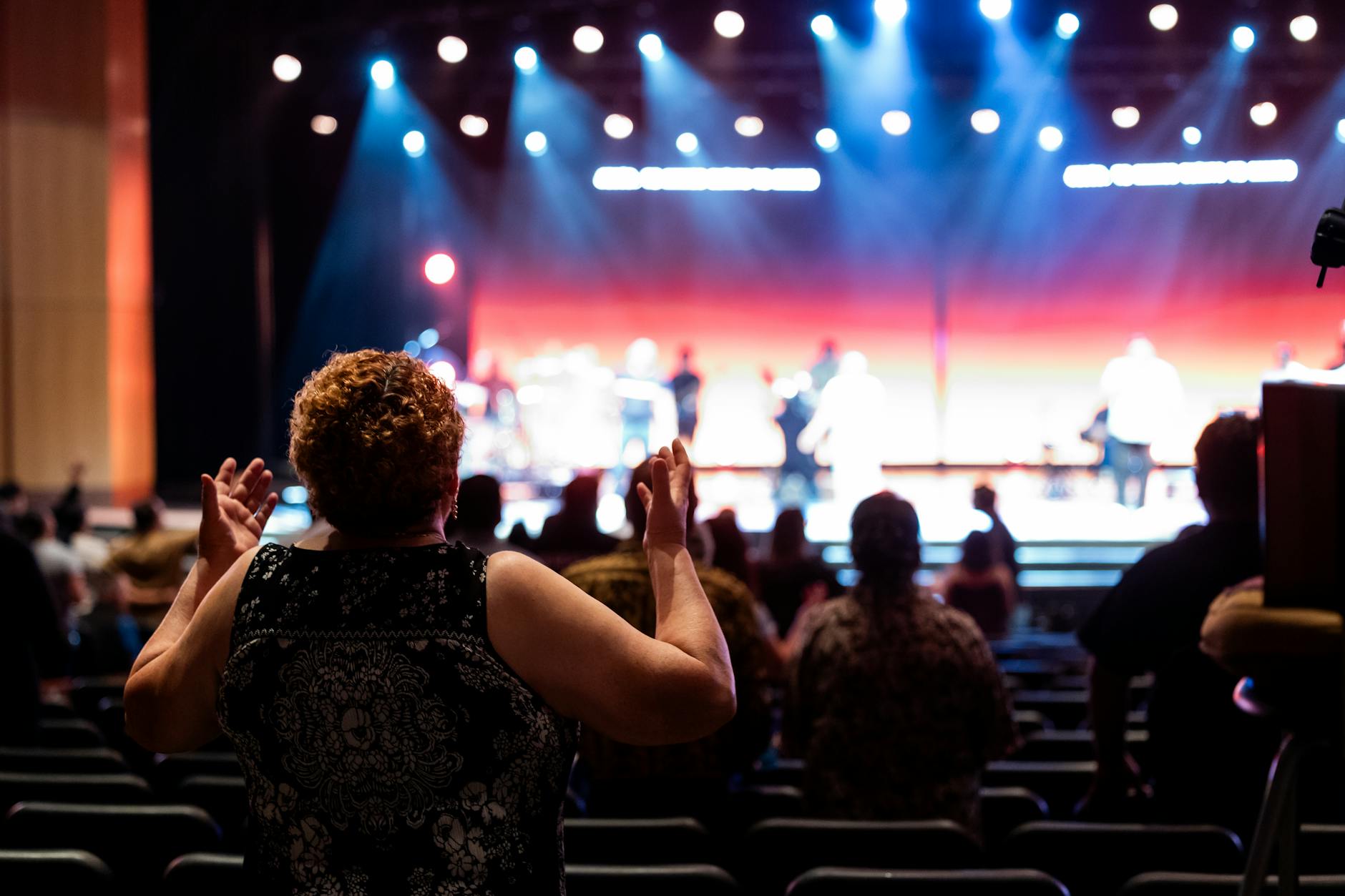
The standing ovation used to mean something went wrong with the ordinary arrangement of the evening — that a performer had done something that made staying in your seat feel physically inadequate. Now it is the default. Not the peak. The floor.
This is not a recent complaint, but the acceleration since roughly the mid-2010s is noticeable to anyone who attends live performance with any regularity. Broadway, classical concerts, local theatre, comedy clubs — the standing ovation arrives like a receipt. Automatic. Expected. In many rooms, the first few rows stand before the bow is even finished, and the rest of the audience follows not out of conviction but out of the social cost of being the person still sitting.
What It Replaced
There used to be gradations. A solid performance earned sustained applause. An exceptional one earned people rising from their seats in ones and twos, then clusters. A genuinely rare performance brought the whole room up without anyone deciding to lead it. Those gradations gave audiences a shared language for registering what they’d just experienced. The ovation meant something because it was withheld most of the time.
Stripping that calibration out doesn’t just devalue the standing ovation — it devalues the entire feedback system between performer and audience. When everything gets the same response, performers lose real information about what landed. Audiences lose the experience of collectively registering a shared reaction. The room becomes a place where everyone performs appreciation rather than feels it.

The Politeness Problem
The usual defence is that it’s just kindness — people want performers to feel appreciated. But there’s a condescension buried in that. It treats performers like children who need to be told they did well regardless of output, rather than professionals in a real exchange with a real audience.
What’s Harder to Explain
Where this gets more interesting is in the question of why the inflation happened when it did. You could point to social media’s pressure on public enthusiasm — the sense that visible, legible joy is more shareable than complicated feeling. You could point to ticket prices: at $180 a seat, people may need the performance to have been great. Neither explanation is quite complete.
Maybe the standing ovation stopped being about the performance entirely. Maybe it became about the audience — a chance to briefly be the thing that fills the room.